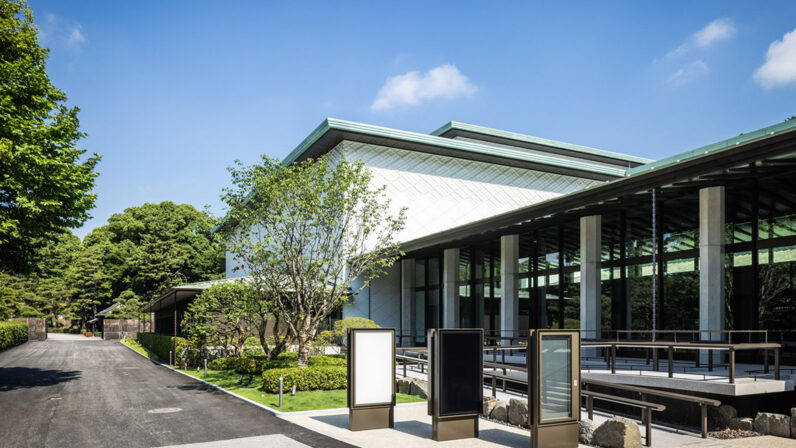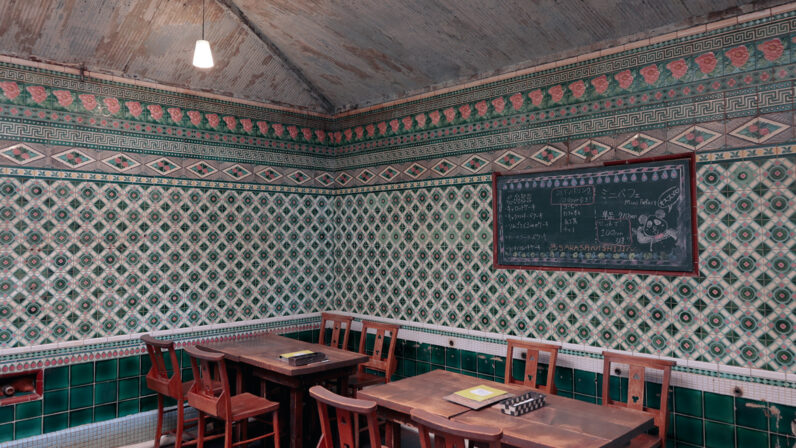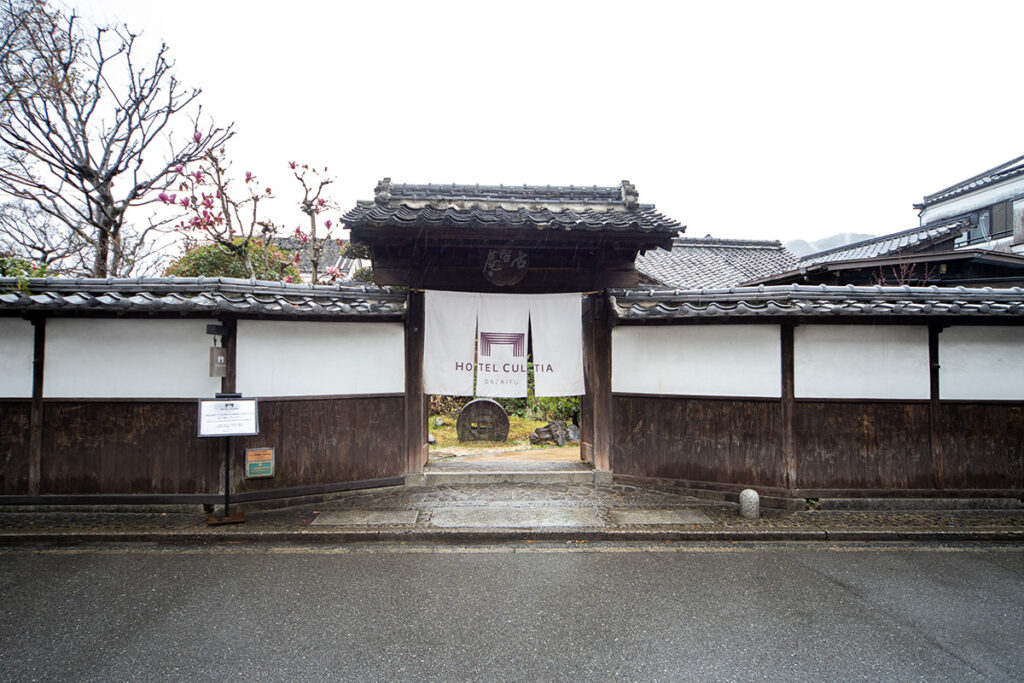
HOTEL CULTIA Dazaifu is quietly set within the temple town leading to Dazaifu Tenmangu Shrine. For over 1,300 years, this gateway to Asia has absorbed foreign influences while cultivating its own unique cultural and spiritual identity. Within this historic context, a dispersed hotel that repurposes heritage buildings has been established, offering a new form of stay that carries the memory of the land into the present and nurtures the spirit through immersion.
From Transit-Style Tourism to Immersive Cultural Stays
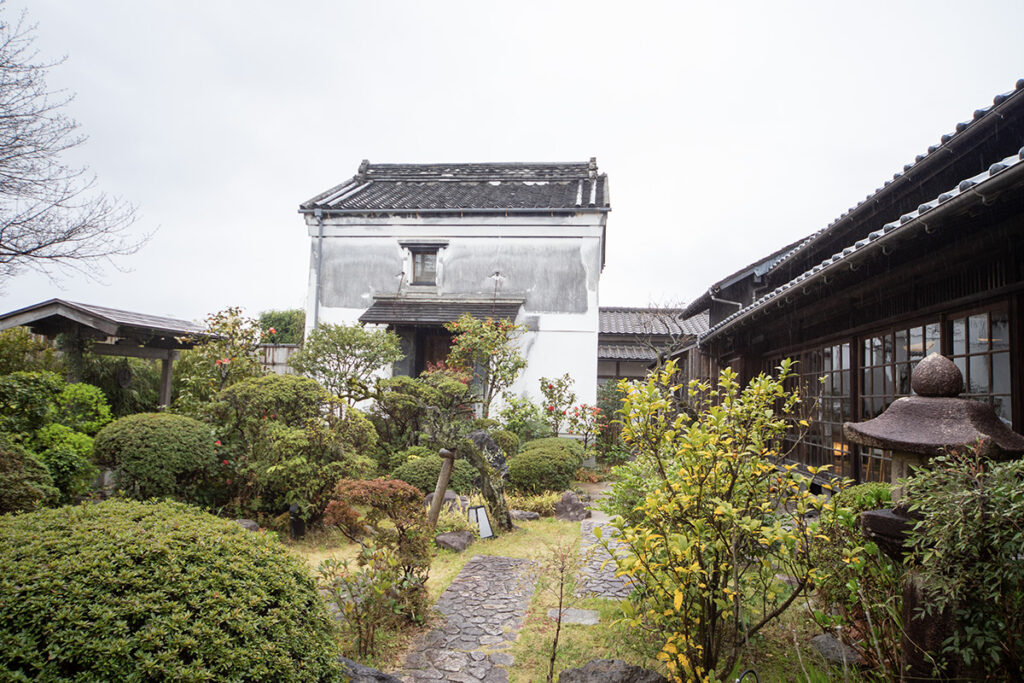
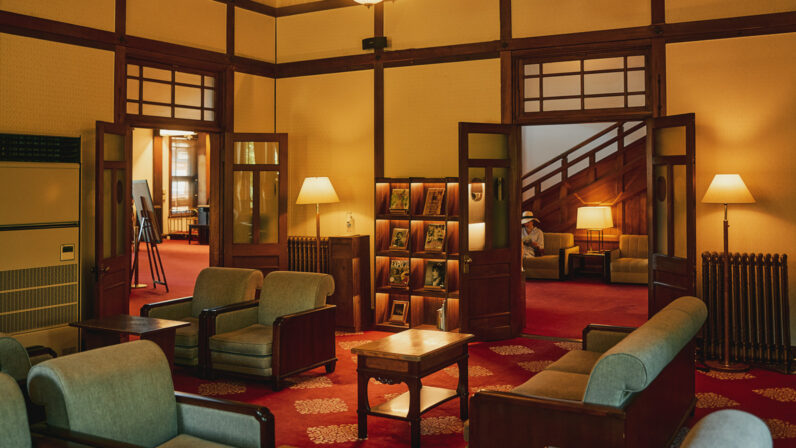
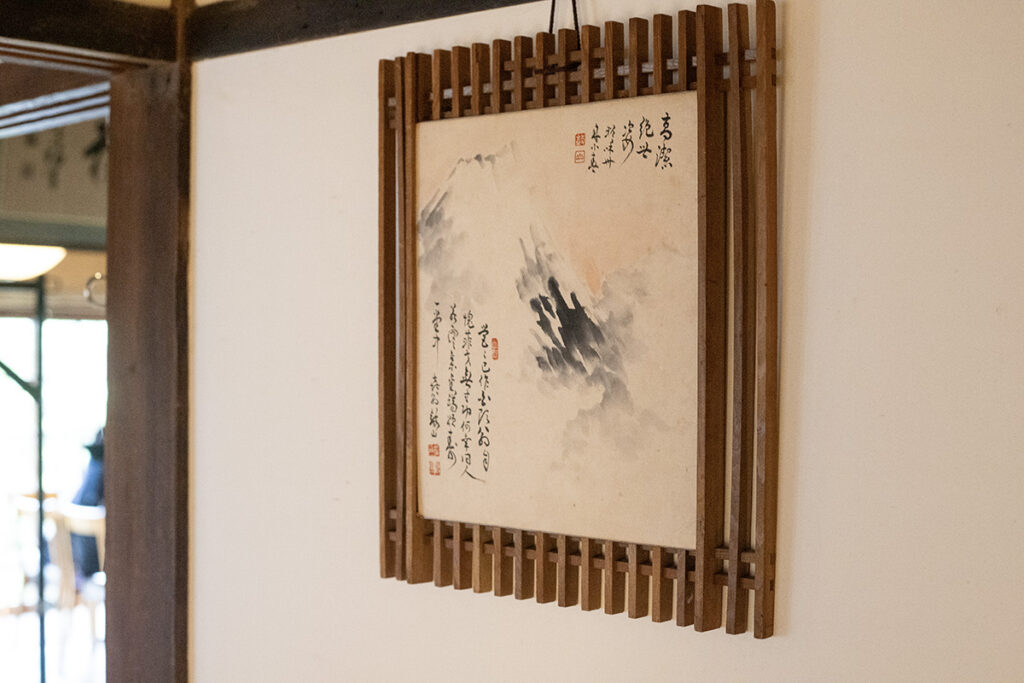
Designated as an Important Structure by Dazaifu City, the front building was first built in the Meiji era as the atelier and residence of sumi-e artist Yoshitsugu Baizan. It later came to be cherished as a traditional Japanese restaurant.
Dazaifu welcomes visitors year-round, yet its proximity to Fukuoka City means many pass through the shrine approach during the day and depart shortly after. This long-established transit-style tourism has made deeper engagement with the area difficult. In contrast, the stillness of the temple town at night and the clarity of the shrine grounds in the morning mist reveal a more essential side of Dazaifu that only emerges through staying overnight.
HOTEL CULTIA Dazaifu was conceived to share this deeper dimension of the region. Developed under an agreement with Dazaifu City in collaboration with Dazaifu Tenmangu Shrine, local railway operators, and regional financial institutions, the project extends beyond accommodation. It immerses guests in the city’s history and culture in ways that day trips cannot offer, while also functioning as a hub for circulating value within the local economy.
A Dispersed System That Treats the Entire Town as a Single Hotel
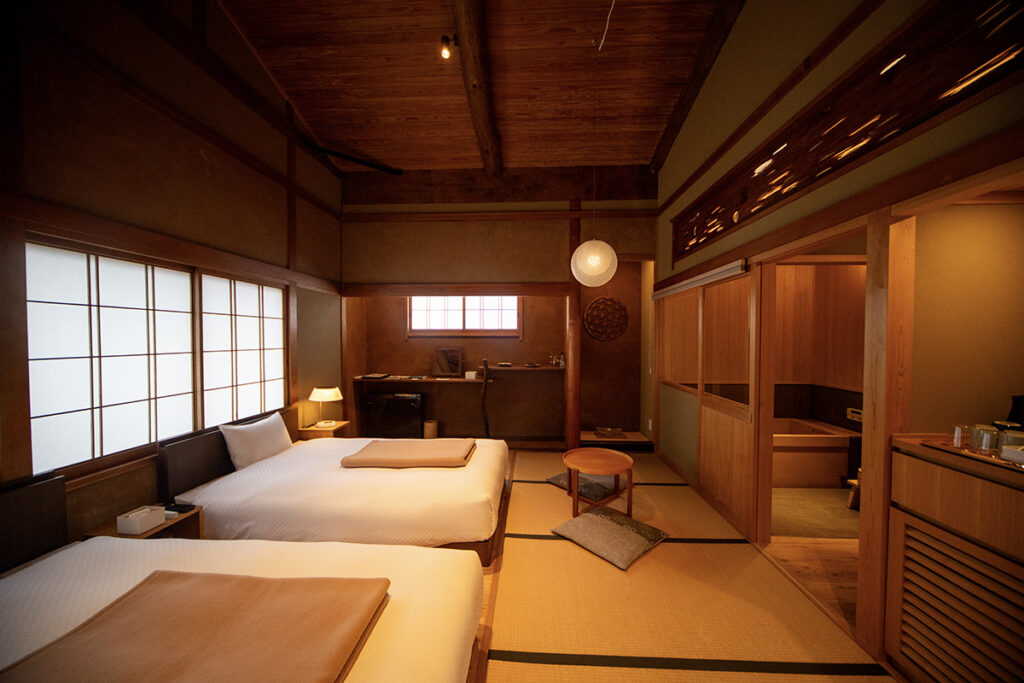
A defining feature of the hotel is its dispersed hotel model, in which the front desk and guest rooms are located across different points within the town. The property offers a total of 13 rooms, all housed in restored and preserved historic buildings dating from the Meiji period to the early Showa era, some of which are over 120 years old.
By separating reception from accommodation, guests are encouraged to walk through the town on their way to their rooms, experiencing the rhythms of local life firsthand. In the restoration process, extensive dialogue with property owners ensured that as much of the original character as possible was preserved.
Roof timbers have been reused as interior wall elements, while former household pieces such as tansu shelving have been transformed into reception counters. Even traces of wear and time are preserved as part of the buildings’ layered history.
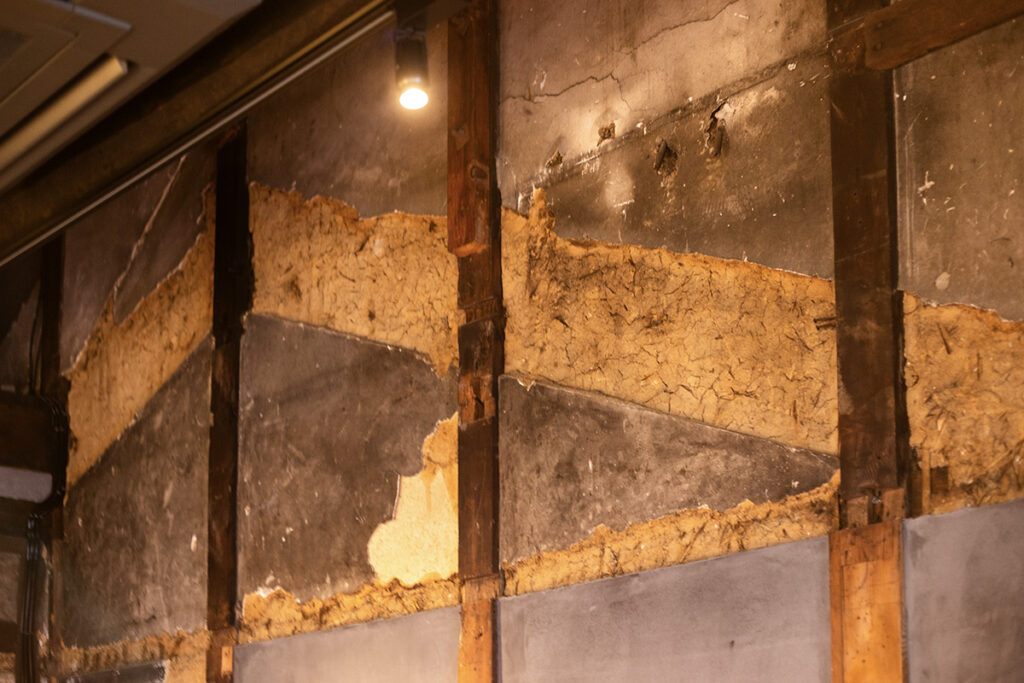
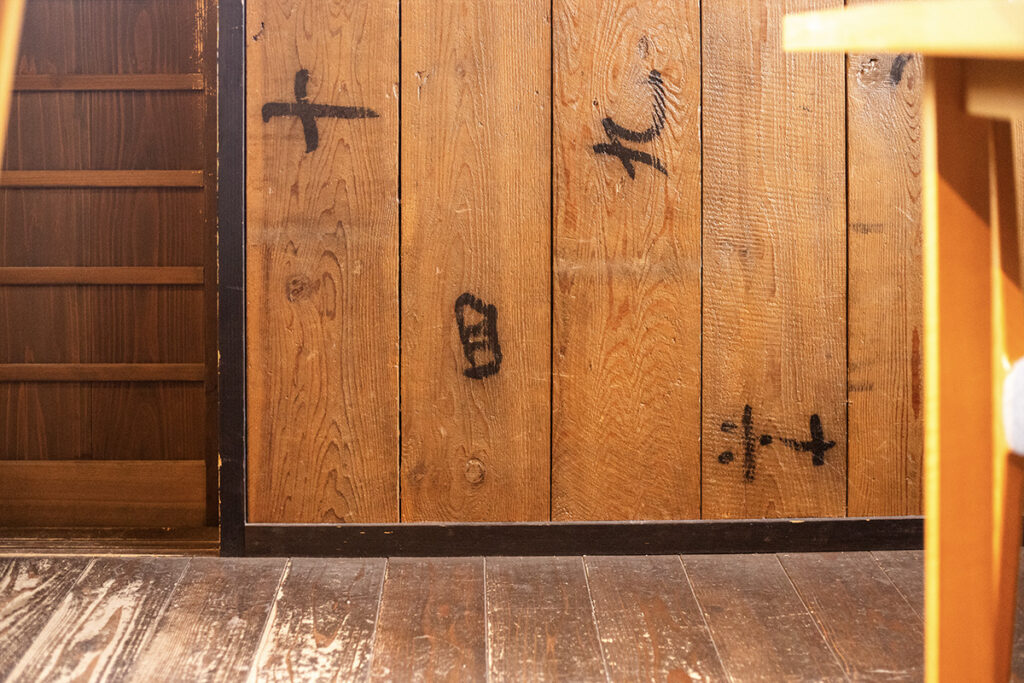
Original structural beams, preserved as they were, and timber pieces marked with numbers indicating the order of roof assembly have been repurposed into the walls.
The Spirit of CULTIA: Engaging with the History of the Land and Cultivating the Self
The name “CULTIA” carries a deep intention rooted in the spirit of this land. The English word “culture” originates from the Latin “colere,” meaning “to till the land.” Over time, as layers of education and spirituality were added, it came to signify the cultivation of the mind and spirit.
In the Heian period, Dazaifu functioned as a gateway to Asia, welcoming new cultures and playing a role in Japan’s development. By coming to this historic place and immersing oneself in the town, visitors encounter the stories and culture that remain beneath its surface. The awareness and knowledge gained here gently cultivate the mind. More than a place to stay, it becomes a process of inner transformation.
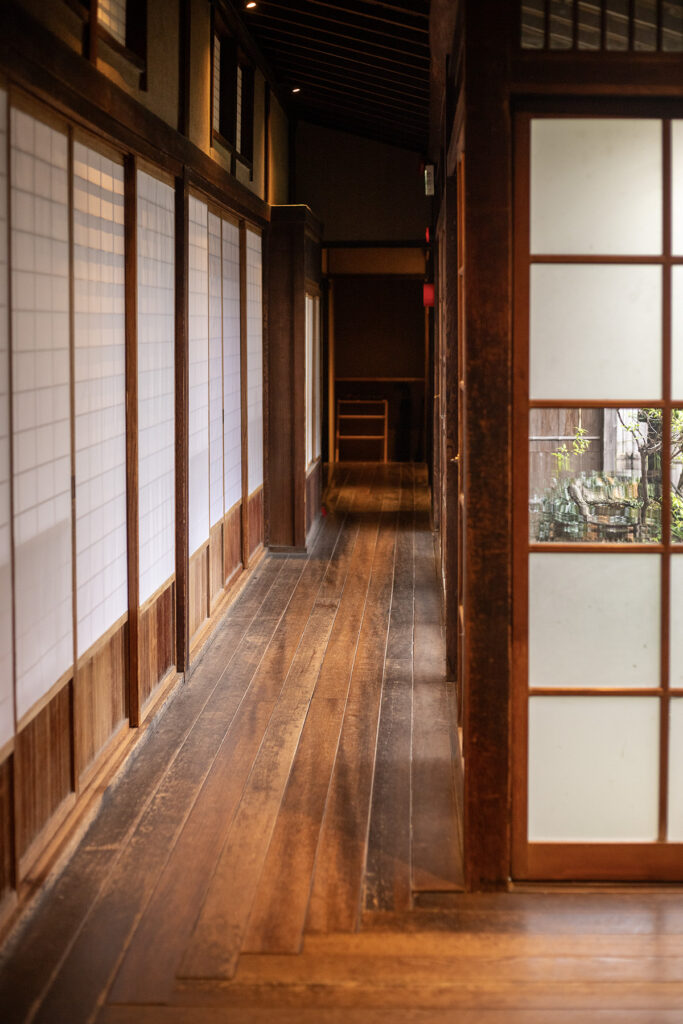
A long corridor runs alongside a beautiful Japanese garden.
The guest rooms are intentionally free of televisions and clocks, reflecting a desire for guests to forget the noise of everyday life and spend time at a slower, more relaxed pace. As part of its cultural experiences, the hotel offers a wide range of programs developed in collaboration with the local community, including chopstick-making workshops, “chakabuki,” a tea-tasting game that dates back to the Muromachi period, and rickshaw tours of the ruins of the Dazaifu administrative complex.
These programs have been widely embraced not only by those with little prior connection to history, but also by those with a strong sense of intellectual curiosity. In this out-of-the ordinary environment, moments that are often overlooked in daily life naturally emerge, such as conversations with family and time for personal reflection.
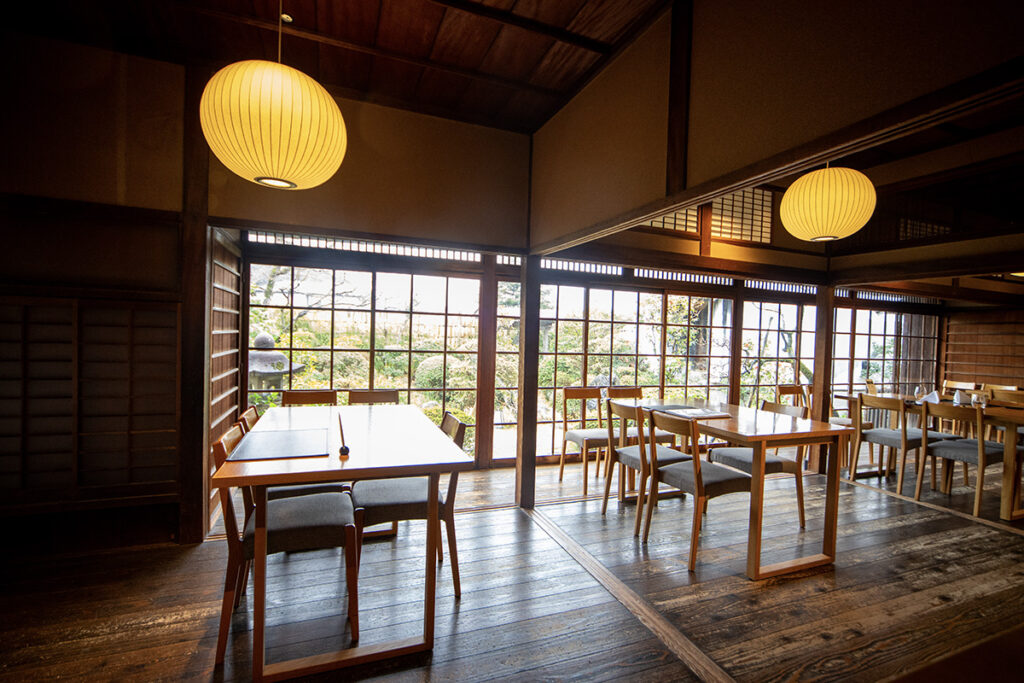
Kyushu Craftsmanship and Locally Sourced French Cuisine
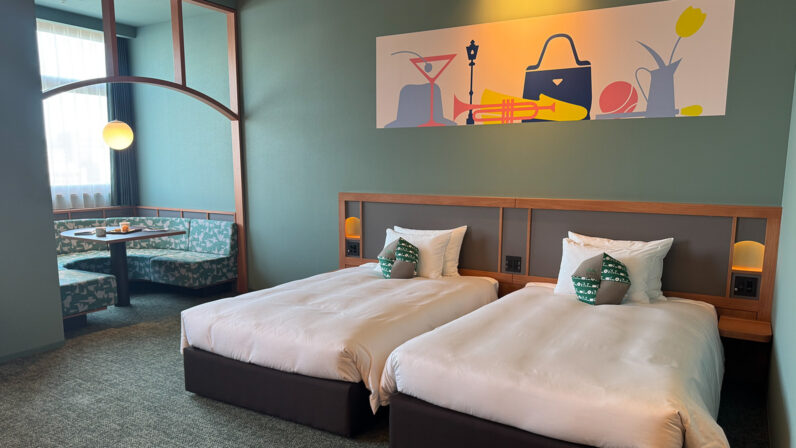
Guest room décor and furnishings bring together a rich range of craftsmanship from across Kyushu. Reflecting Dazaifu’s historic role as a gateway that drew culture from throughout the region, the hotel intentionally incorporates high-quality artisanal works not only from Fukuoka, but also from Saga, Kumamoto, Nagasaki, and beyond. The result is a space where the weight of a historic building is gently balanced with modern comfort.
Dining carries the same sense of place. Dinner is presented as French cuisine rooted in locally sourced ingredients. By choosing French rather than Japanese cuisine, the hotel highlights new expressions of regional produce and creates a dining experience unique to this setting. Each element of the menu is grounded in clear intention and context, which staff carefully explain to guests, deepening both understanding and appreciation.
Concierges Rooted in the Local Community
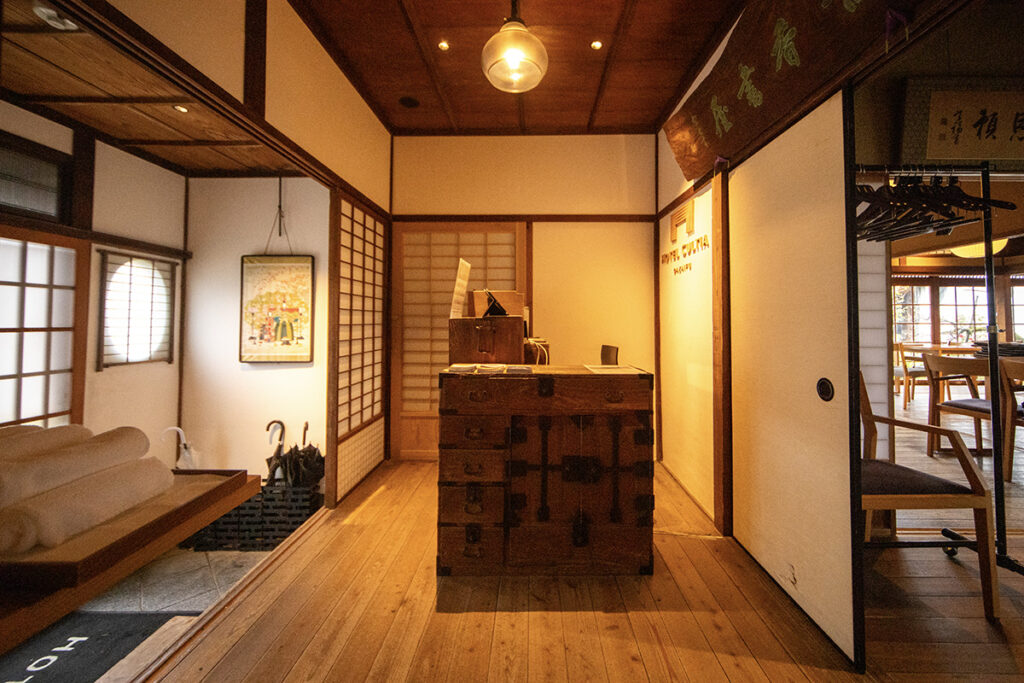
The reception counter has been repurposed from an original tansu shelf that was once actually used by the building’s former residents.
The staff’s role goes far beyond traditional hotel service. As concierges who interpret and communicate the appeal of the town, they walk its streets each day and continuously refresh their knowledge. They share local perspectives that cannot be found in magazines or online, including insights into which views are most beautiful at different times of day, with a strong focus on creating meaningful memories for guests.
Information about returning guests is shared among the team, allowing them to propose new surprises and discoveries for future visits. Guests leave with the impression of having had access to a dedicated concierge not just for the hotel, but for the entire town. Many return months later to experience the history of a different room, while the property has also become a beloved destination for locals from the region who visit to mark special occasions.
A Cultural Hub Woven Toward the Future
In 2025, it was selected as one of the Best Hotels by the globally renowned travel magazine Condé Nast Traveler, reflecting its strong international recognition. However, rather than being swayed by trends or momentary attention, the essence of the hotel lies in continuing to move forward alongside the local community.
It preserves historic buildings while carrying forward the stories they hold. HOTEL CULTIA Dazaifu remains grounded in coexistence with the region, continuing to serve as a place of cultural discovery where each visit offers the possibility of encountering a new version of oneself. Enveloped in the deep history and spiritual heritage of Dazaifu, it offers a unique opportunity to spend time in a setting of quiet richness and reflection.
HOTEL CULTIA Dazaifu
Address: 3-3-33 Saifu, Dazaifu City, Fukuoka Prefecture
Website: https://www.cultia-dazaifu.com/