In Japan, record bars have become a distinct part of late-night culture, with origins dating back to the 1950s. Decades later, they continue to thrive, offering a haven for music lovers, audiophiles and discerning drinkers. In OFF THE RECORD, we explore establishments where music and atmosphere are central, uncovering the stories, people, and sounds that define them. In our eleventh edition, we visit Black Music Bar QB, a hideaway in Ebisu that’s equal parts casual hangout and time capsule. Here, the sounds of 1990s and 2000s hip hop and R&B fill the room, drawing together regulars, DJs and newcomers alike.
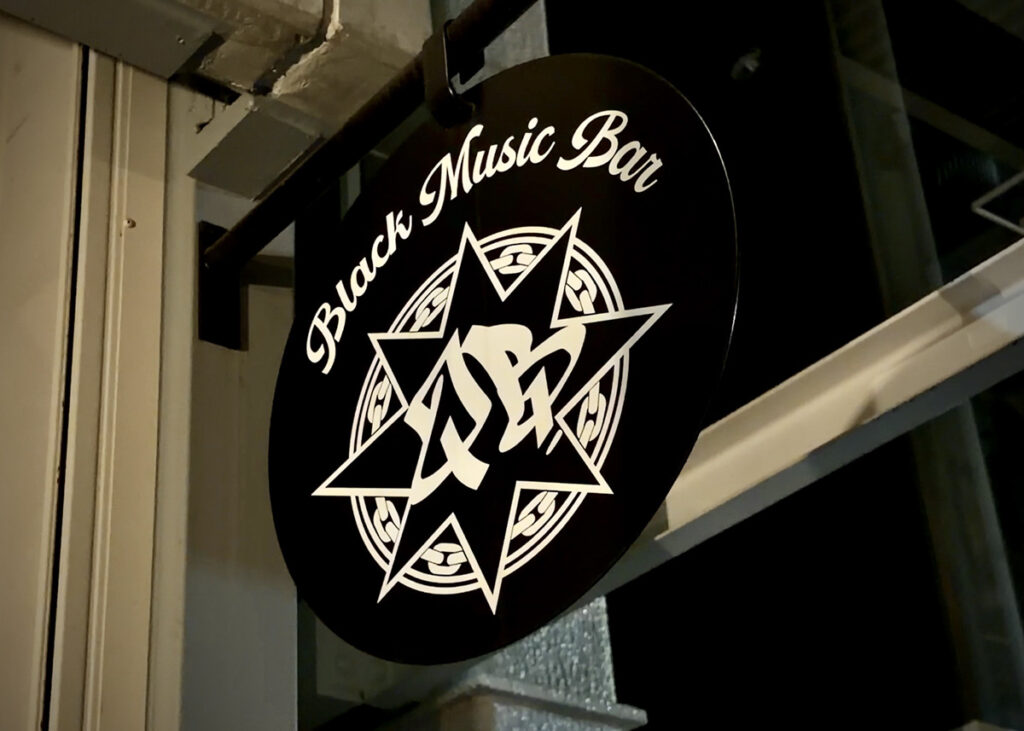
The bar’s logo puts a spin on the iconic emblem of hip hop duo Gang Starr. Despite the musical reference, the name QB actually comes from Masao’s childhood corgi, Kyubeii.
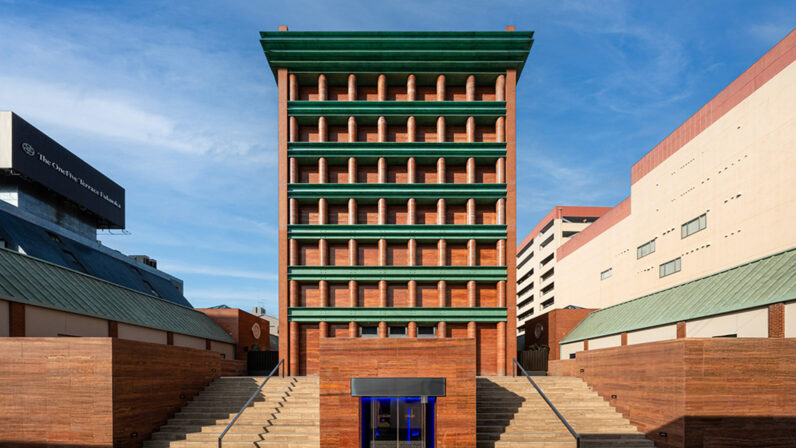
The west side of Ebisu Station offers a contrast to the modern, spacious, upscale east side, with densely packed streets filled with izakayas and small bars. Down one of the backstreets, Black Music Bar QB sits slightly tucked away, discreetly above a polished cocktail bar on the street below. There’s no loud signage or obvious invitation from the street, just a hanging logo and narrow staircase that add a sense of discovery for newcomers. Step inside and the atmosphere shifts into a warm, unpretentious space that feels like a neighbourhood hangout, where music sets the tone and owner Masao Nakano’s hospitality anchors the room.
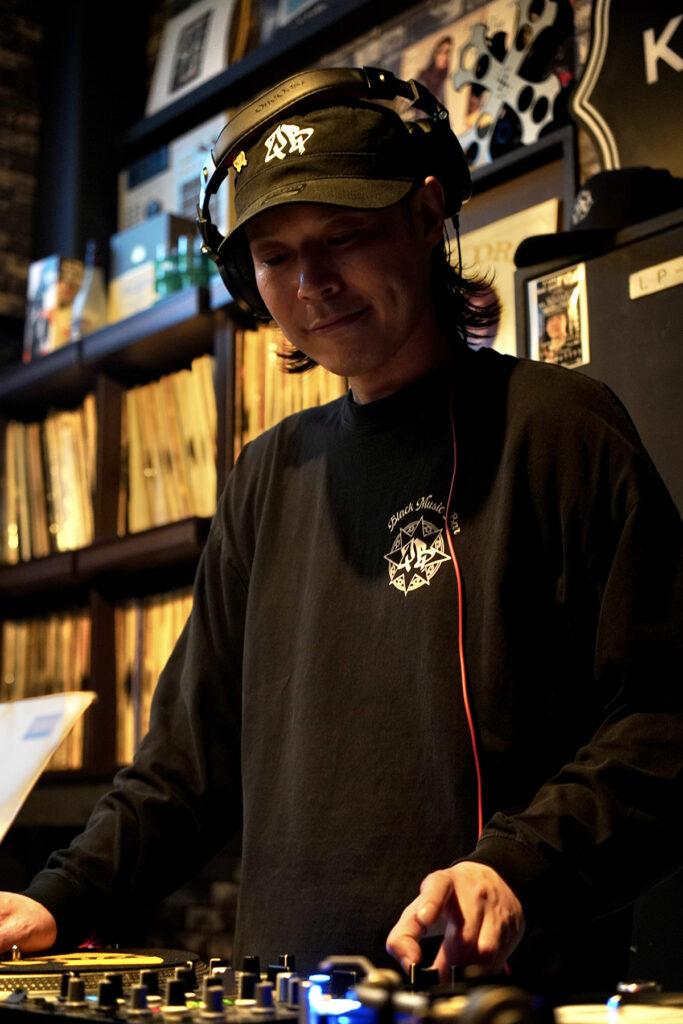
Owner, Masao Nakano aka DJ QB
A Personal Space, with Gritty Charm
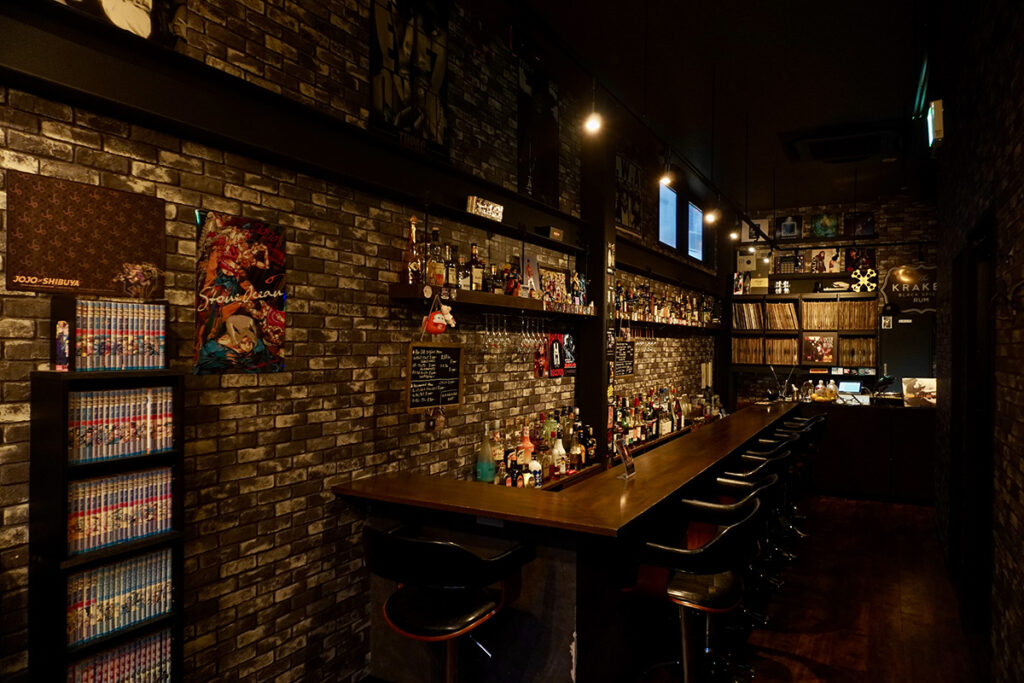
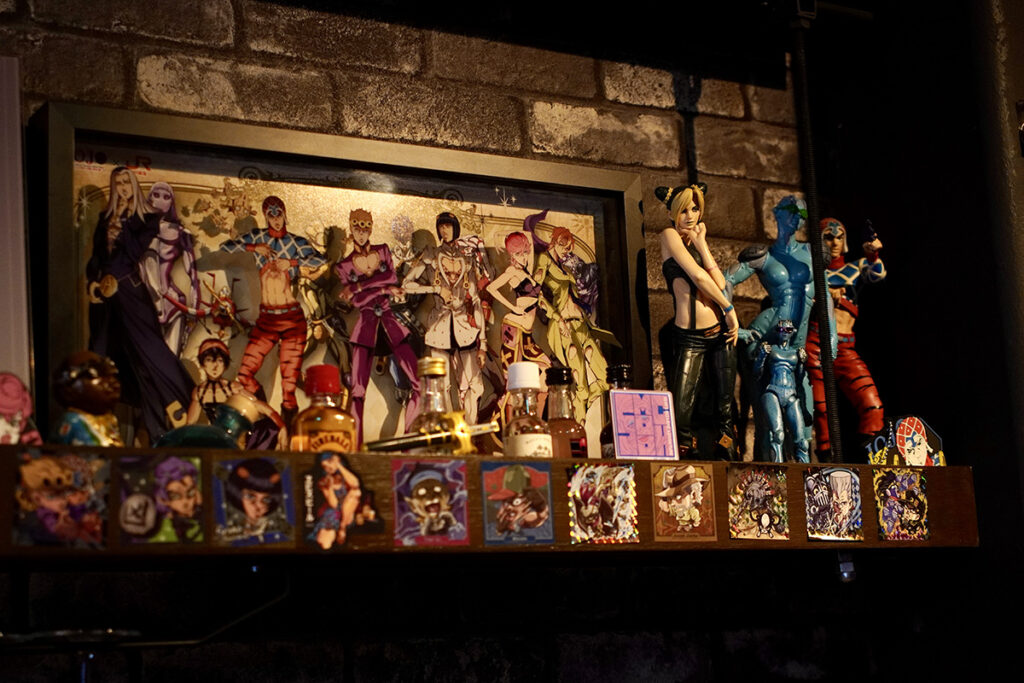
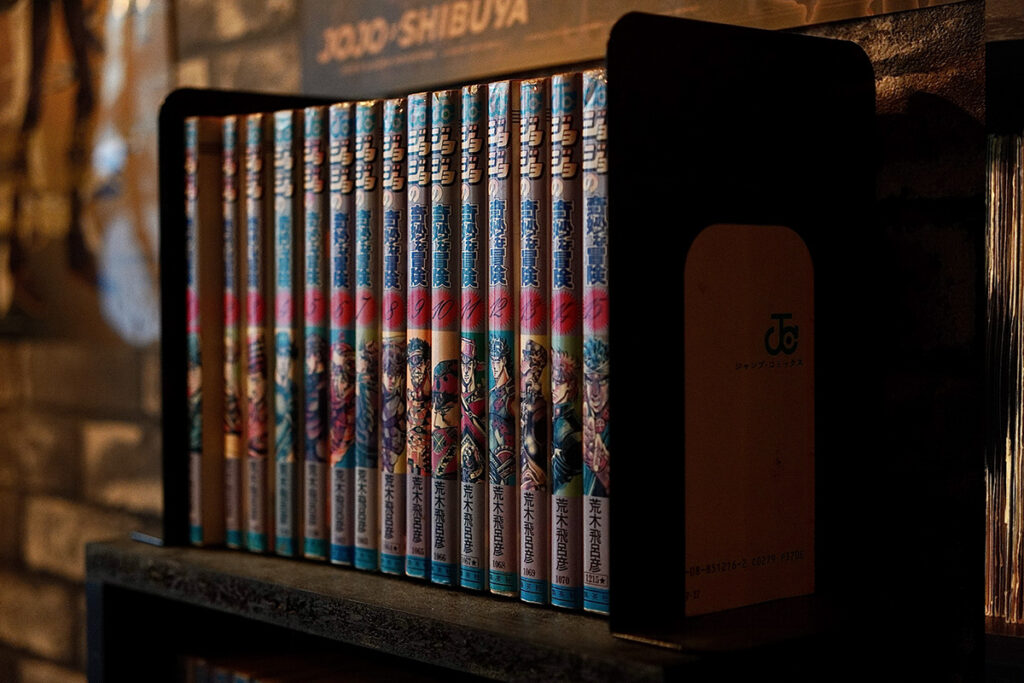
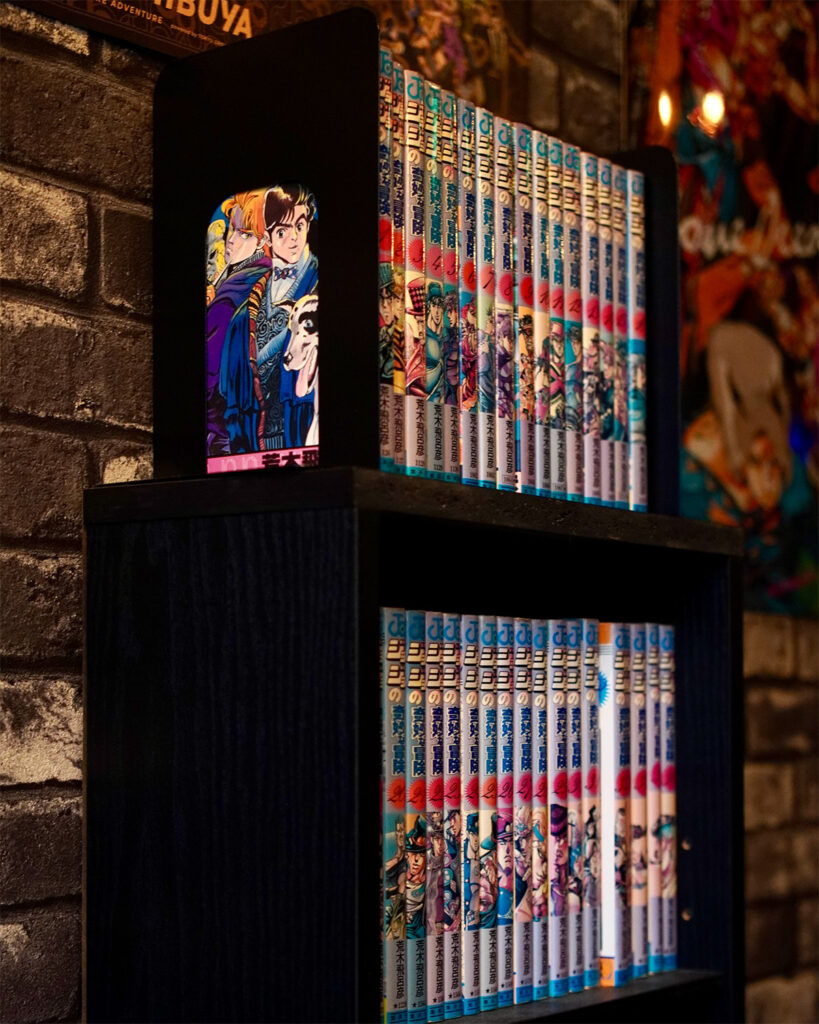
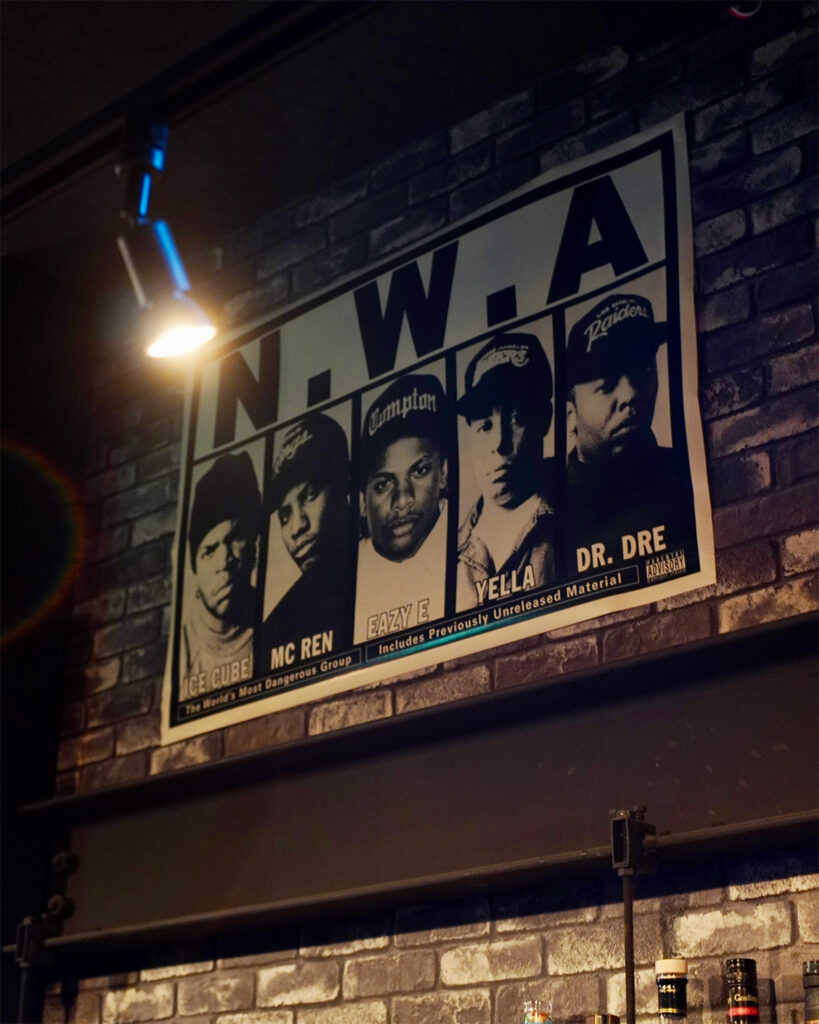
Inside, Black Music Bar QB is centred around a long wooden counter that runs across most of the space, naturally drawing different customers into a shared rhythm. The walls are covered in dark brick-patterned wallpaper, while industrial-style shelving adds a slightly gritty, street-level feel. “I wanted it to feel something like a hidden bar tucked away in a back alley in Brooklyn,” Masao says, reflecting on the inspiration behind the space. Figurines, posters, and an entire manga collection are scattered around the bar, reflecting his love for JoJo’s Bizarre Adventure and giving the venue a lived-in, personal character. Masao says the series resonates with him for its sense of determination, adding that JoJo fans are always welcome here.
Golden Era 90s, Crossover 2000s
Masao describes the bar’s core simply as “Black music.” In Japan, the term has long been used to describe genres rooted in African American musical culture, particularly hip hop, soul, and R&B. Here, however, the focus leans heavily toward 1990s and 2000s hip hop and R&B. The former is often regarded as a golden era for the genre, shaped by distinct regional sounds and influential artists, while the latter saw hip hop and R&B move further into the mainstream and dominate charts, radio, and popular culture.
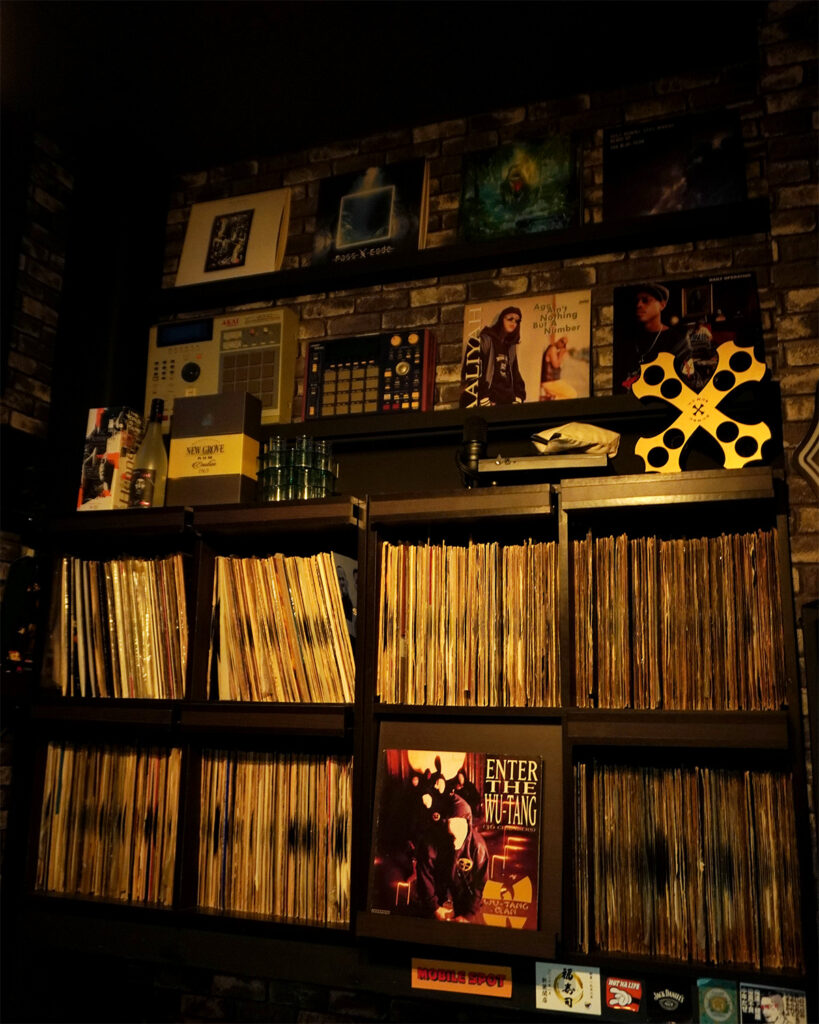
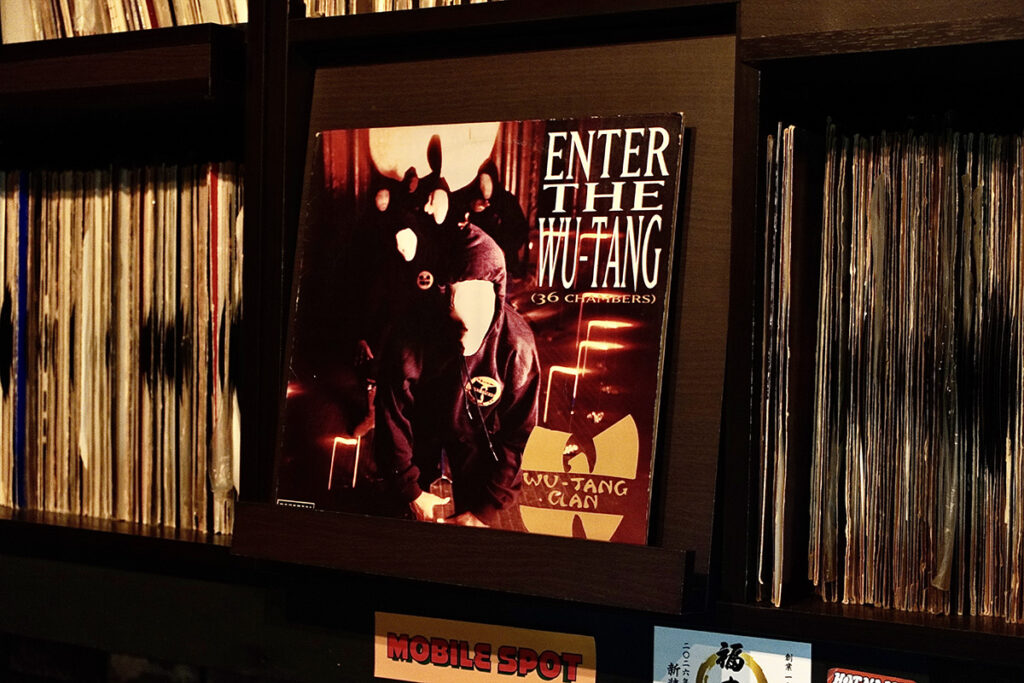
The back wall holds a collection of around 1,200 to 1,300 records, largely centred on music from the era. “At first, I usually play whatever I feel like listening to, but as the night goes on I adjust depending on the customers in the bar,” says Masao. While the soundtrack remains rooted in Western music, the bar also has four regular DJs who help shape the atmosphere throughout the week, including one veteran selector in his late sixties who specialises in soul, funk, and disco.
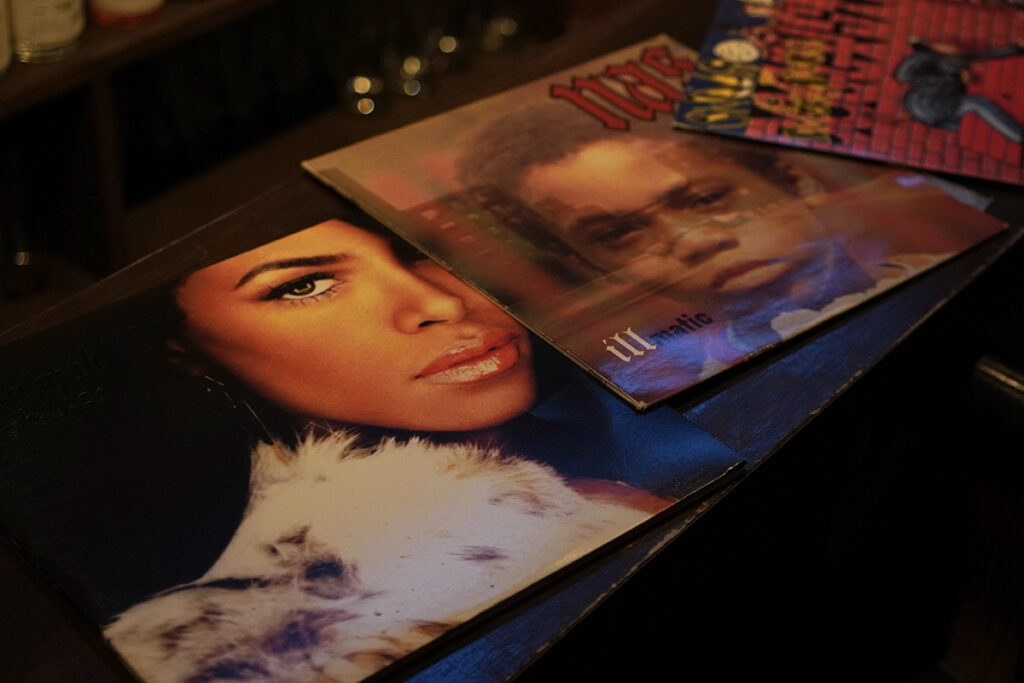
Some of Masao’s personal favorites, Aaliyah’s I Care 4 U, and the debut albums from Nas and Snoopdog.
Delivering the soundtrack is a setup that reflects the bar’s roots in DJ culture: two Technics turntables paired with a Pioneer mixer, alongside BOSE speakers and a Yamaha subwoofer. Long regarded as staples of DJ booths around the world, the Technics and Pioneer combination feels fitting for a space shaped by records and performance rather than meticulous listening.
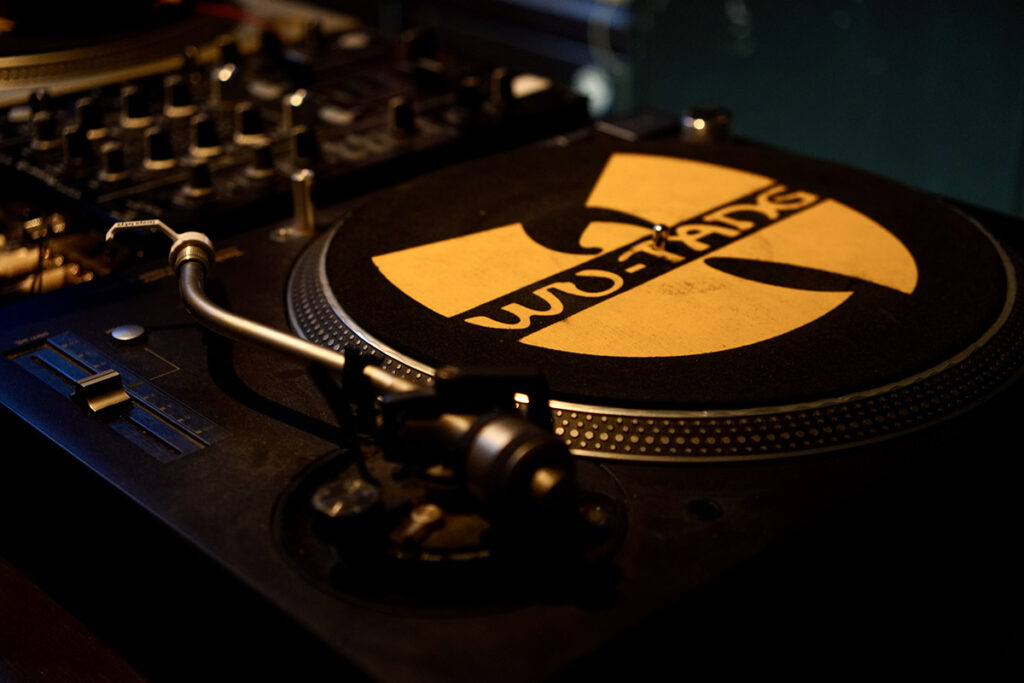
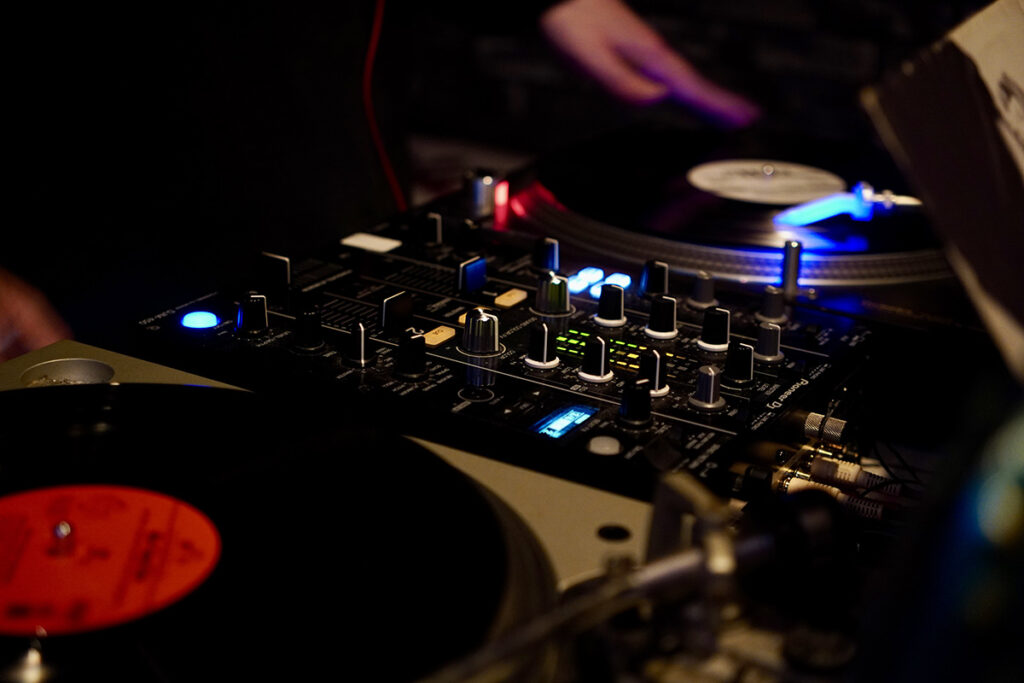
QB is not positioned as an audiophile listening bar, and that feels intentional. Rather than vintage hi-fi equipment or a meticulously tuned soundstage, the setup recalls the kinds of stereo systems and social spaces through which much of this music was originally experienced in the 1990s and 2000s: house gatherings, bars, clubs, bedrooms, and late nights spent sharing records and discovering new sounds.
Original Cocktails and Fine Spirits in Rotation
While music may be the main draw, the drinks program is far from an afterthought. Behind the counter is a broad selection of spirits and liqueurs, and most classic cocktails and simple mixed drinks can be made on request. “We don’t really have a menu here, so customers usually request drinks based on what they feel like or the types of liqueurs they enjoy,” says Masao. Alongside this, he also offers a range of original cocktails, many of which draw inspiration from artists and records. Seasonal ingredients also appear regularly, giving parts of the drinks list a subtle sense of variation over time.
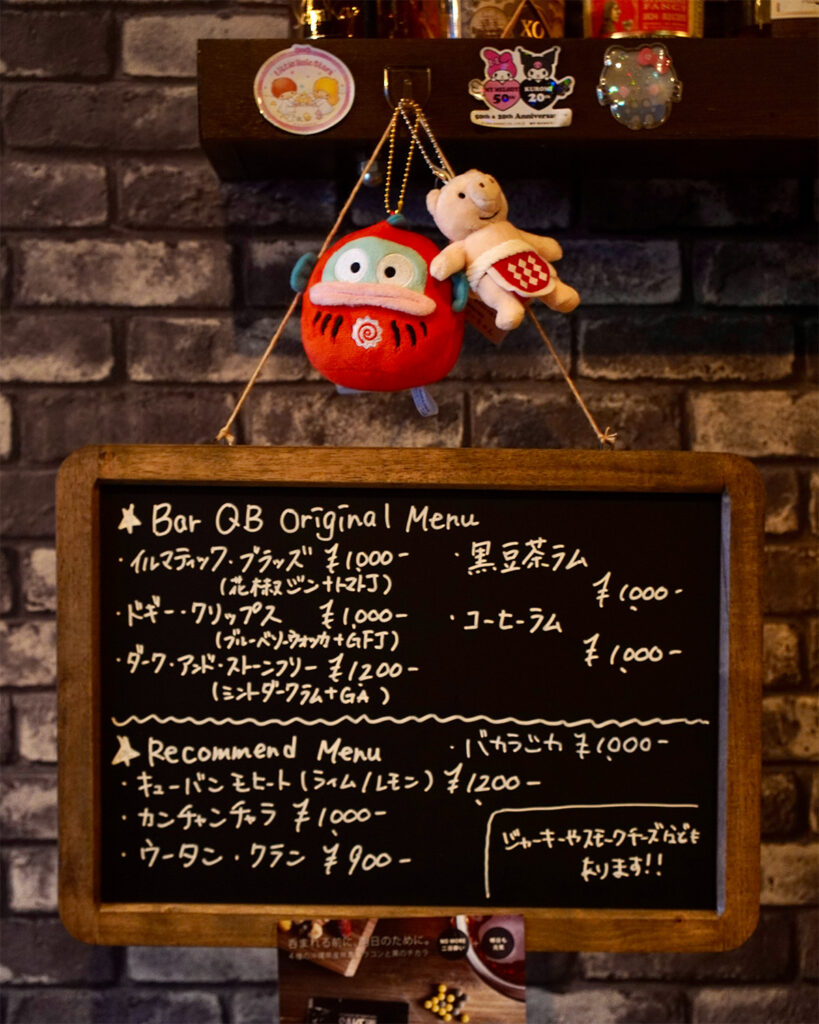
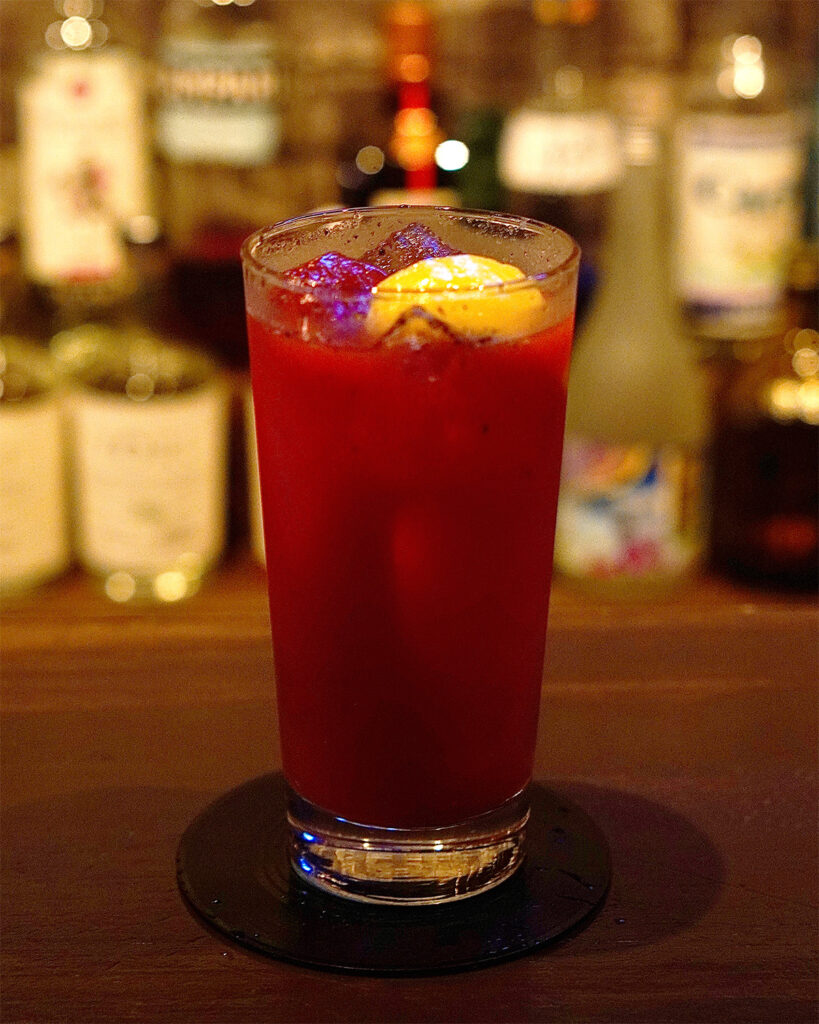
The bar’s signboard highlights original cocktails alongside recommended drinks. One of the more popular choices is the Illmatic Bloods, it combines gin infused with Sichuan pepper with Clamato juice, tomato juice, and black pepper for a spicy, savoury profile.
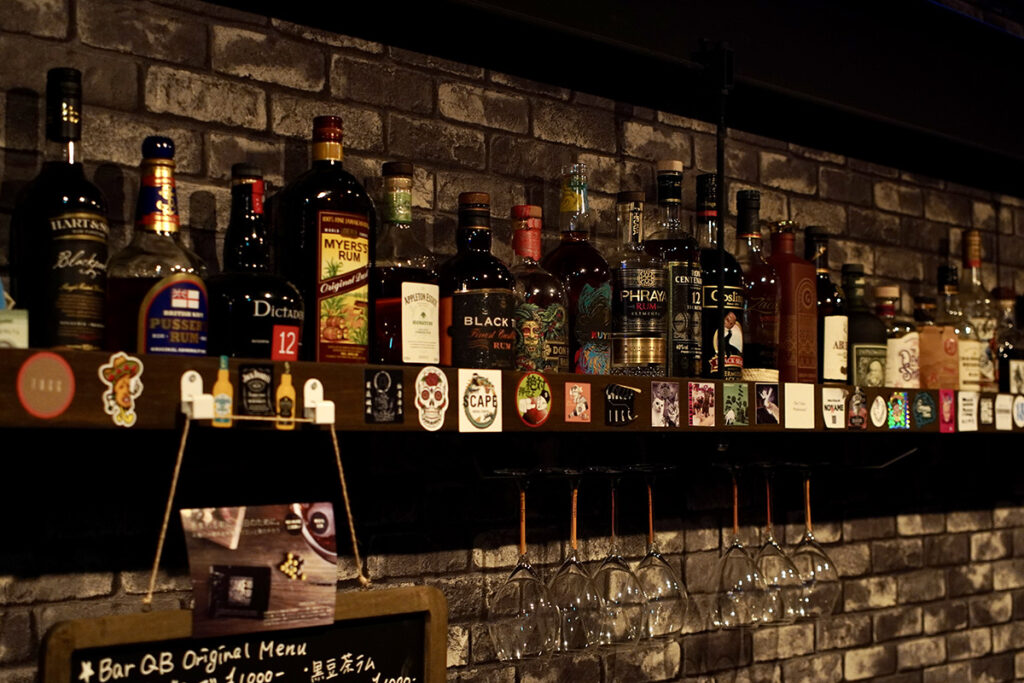
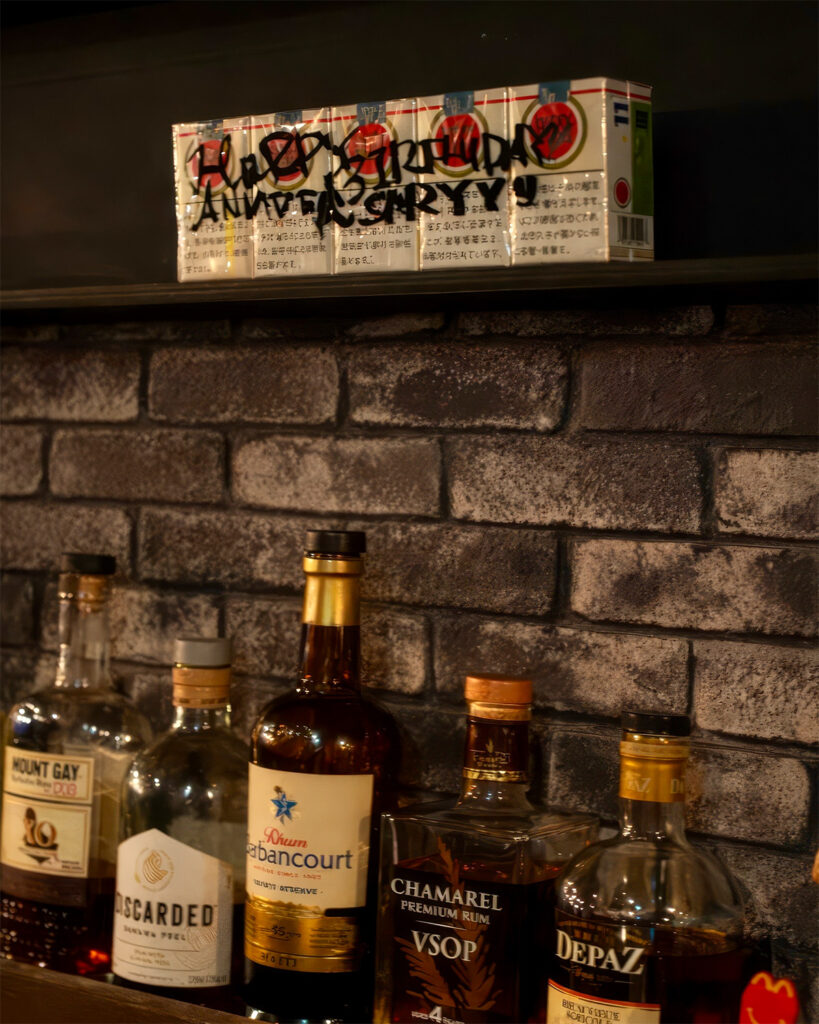
Beyond cocktails, there is a strong focus on rum and whiskey, with bottles ranging from familiar labels to more niche selections. Having previously worked in more traditional cocktail bars, Masao brings a practical understanding of mixology to the space, even as QB maintains a deliberately casual, unpretentious approach.
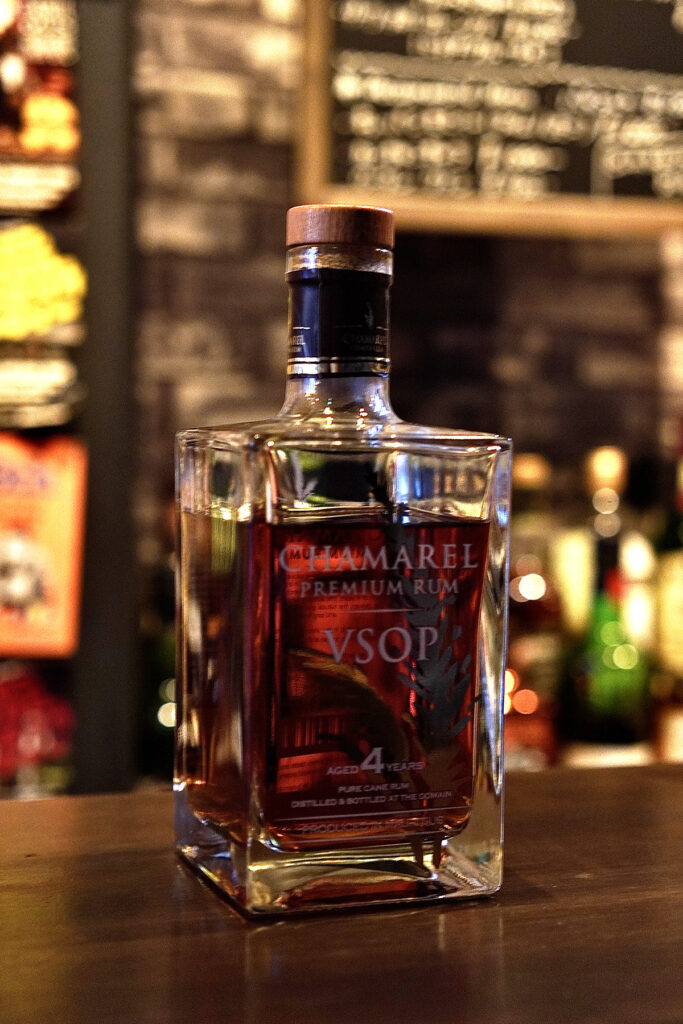
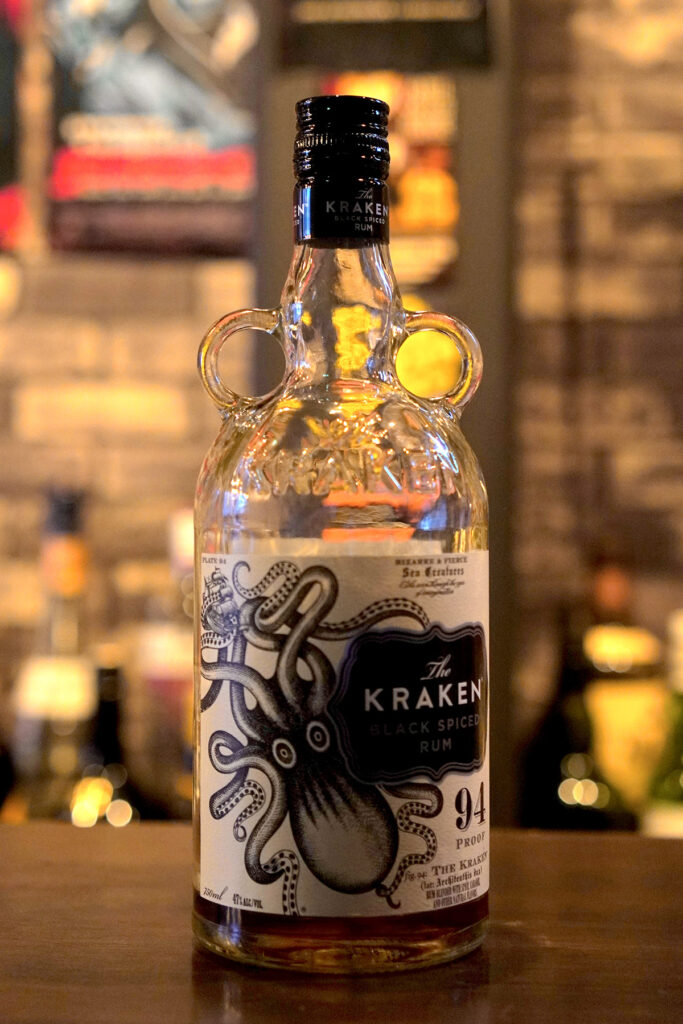
As a certified rum concierge, Masao counts Chamarel rum among his personal favourites for its clean, refreshing taste. By contrast, the bar’s most popular bottle is Kraken rum from Trinidad and Tobago, appreciated for its rich sweetness and easy-drinking character.
From DJing and Breaking to Music Promotion
After moving to Tokyo for work, Masao spent his twenties at an advertising agency in the music promotion department, but his connection to music began long before that. “My older sister liked artists like Britney Spears and the Backstreet Boys. We used to watch MTV at home, and that’s how I gradually got into hip hop,” says Masao, who is part of a generation raised on music television.
It was during his university days in Mie that he first began to imagine running a space of his own. “It had always been my dream. Back in university, I DJed and made drinks at a club in Mie part time. I really enjoyed it, and ever since then I wanted to open my own place someday,” he recalls. A DJ mentor he met around this time played a key role in shaping his taste, often introducing him to the 1990s and 2000s records that would later define QB. After years working in both music promotion and behind the bar at another Ebisu venue, that idea eventually took shape as Black Music Bar QB.
The Flow of the Room
On any given night, QB draws a mix of regulars, music lovers, and locals from the surrounding Ebisu neighbourhood. Many stop in after work, often in their late 30s to 40s, staying for a couple of drinks, while others settle in for longer and remain at the counter well into the night. The pace is unhurried, with most guests spending at least an hour in the space, while Fridays tend to be the busiest and weekdays carry a more relaxed energy with a steady flow of familiar faces coming and going throughout the evening. Some are drawn by the music, others by the atmosphere or word of mouth, while DJs and people connected to the local scene also make up part of the regular crowd. International visitors also form a noticeable part of the clientele, and although language barriers can sometimes exist, Masao says, “I can’t speak much English, but music is a universal language,” with records and shared listening acting as a common reference point.
Tucked away above the streets of Ebisu, Black Music Bar QB is ultimately a space built around music, but also around the experiences and interests that have shaped Masao Nakano over time. Those influences converge in a single room where 1990s and 2000s hip hop and R&B set the tone, while details throughout the space reflect the personality behind the bar. Yet despite this personal imprint, QB remains open in spirit, a place where drinks are poured without ceremony and anyone can step in, settle into the music, and become part of the flow.
Black Music Bar QB
Address: Breeze Ebisu 2F, 1-4-8 Ebisunishi, Shibuya, Tokyo, Japan, 150-0021
Instagram: @nakano_masao