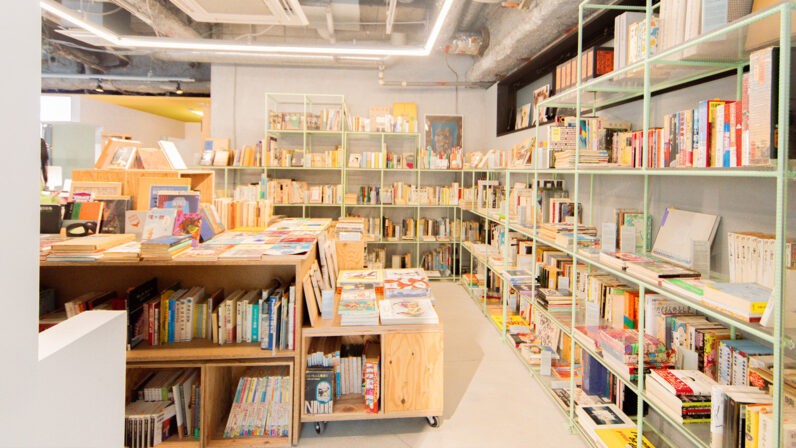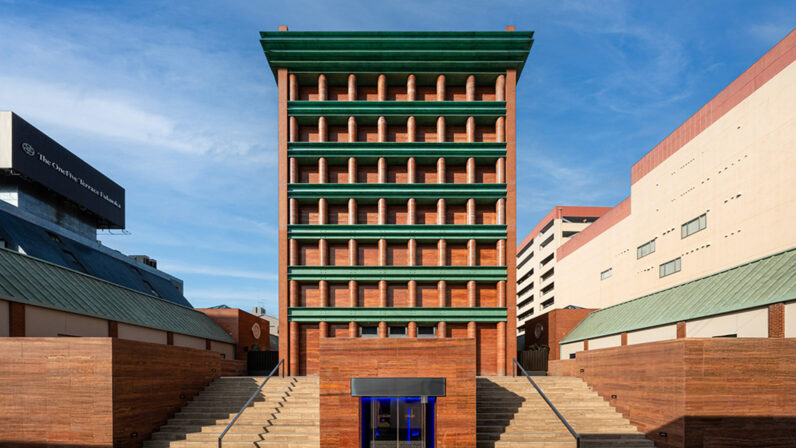
SOIL Nihonbashi Hotel is located in Nihonbashi-Ningyocho. Developed by Staple, it joins a growing network of destinations within walking distance—including K5 in Kabutocho, Soil work, and the wine bar timsum. Rather than treating each venue as a standalone destination, Staple has been cultivating the neighbourhood itself as a connected hub. SOIL Nihonbashi Hotel is the final piece to complete that vision.
Rather than pursuing large-scale redevelopment, SOIL cultivates spaces that embrace the character and history of the surrounding alleyways. Here, travellers are encouraged to become good neighbours, not just visitors. We spoke with Eriko Numata, Food & Beverage Development Manager, and Noa Ochiai, Front Office Supervisor, about SOIL’s vision for a new kind of stay.
Nurturing the Foundations of Community
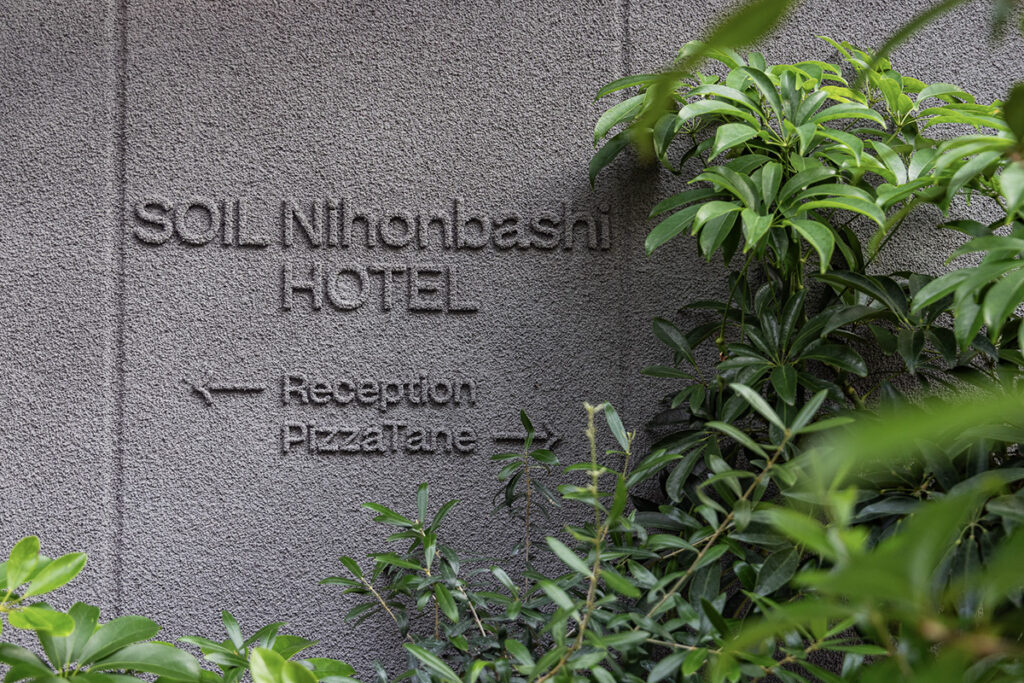
The Ningyocho and Yokoyamacho neighbourhood surrounding SOIL Nihonbashi Hotel feels worlds away from the large-scale redevelopment reshaping much of Tokyo. Here, the narrow alleyways of the historic wholesale district and long-established local shops remain part of everyday life. For Staple, whose work centres on uncovering new value in existing buildings and the local context, this neighbourhood—with its traditional streetscape and enduring rhythm of daily life—offered the opportunity to thoughtfully cultivate a more grounded kind of hospitality.
SOIL Nihonbashi Hotel is built around the idea that “local roots can be found in the soil.” Within walking distance are several Staple destinations, including the coworking space Soil work, the hotel K5, and the wine bar timsum. By creating a neighbourhood where guests can stay, eat, drink, work, explore, and connect—all on foot—Staple is cultivating the conditions for a new local community to take root.
Staple believes that the richness of a neighbourhood comes from the density created when diverse people, ideas, and cultures come together, influencing and enriching one another over time. That, they believe, is what will define the future of urban communities.
A Seed of Connection: How Tane Creates a Neighbourhood Cycle
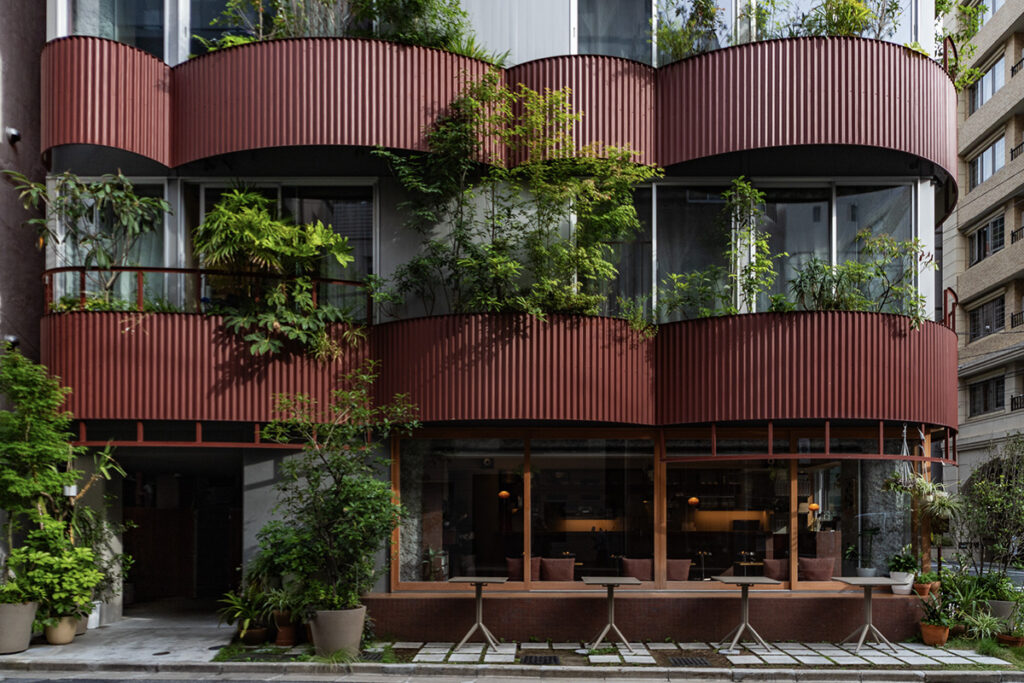
Designed by Seimei Takeda Architectural Design Office, the hotel is based on the concept of backstreet gardening and features the pizza stand Pizza Tane on the ground floor. The design intentionally blurs the boundary between the hotel lobby and the street. Exterior louvers and greenery bring the atmosphere of the alleyways inside, creating an openness that makes the space feel like an extension of the street itself. This is not a place only for hotel guests. It serves as a gateway to the neighbourhood, where local workers and residents naturally pass through as part of their everyday lives.
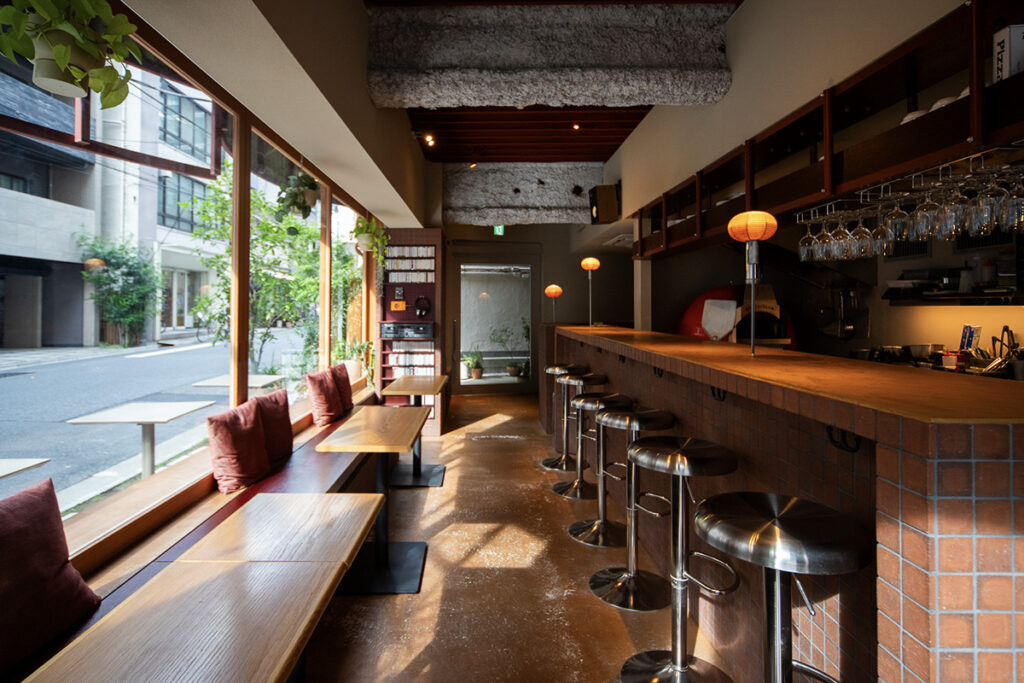
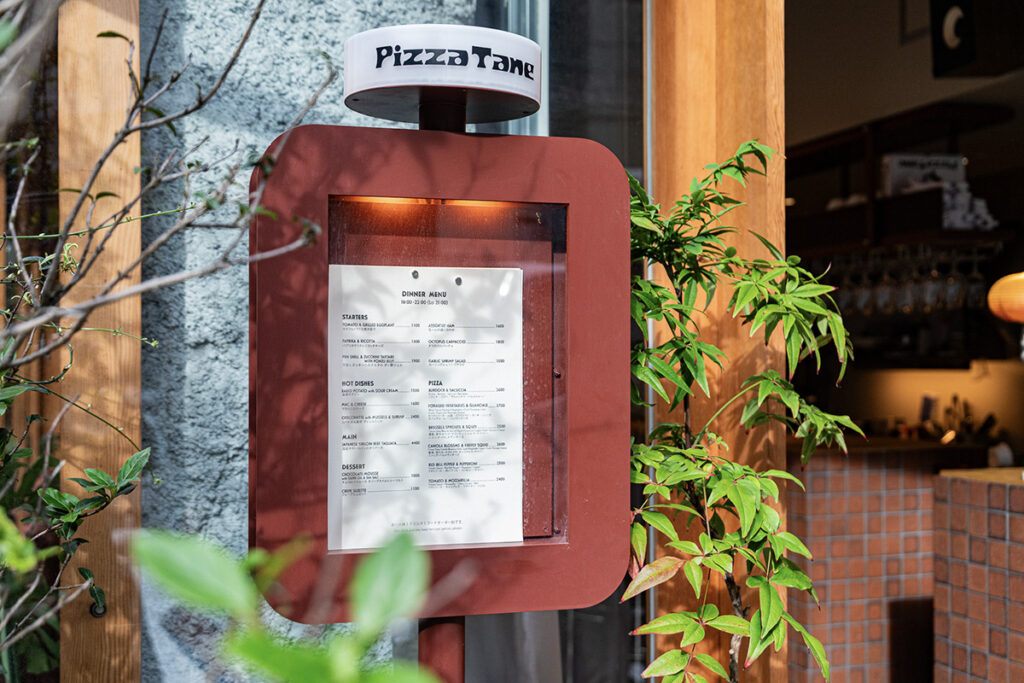
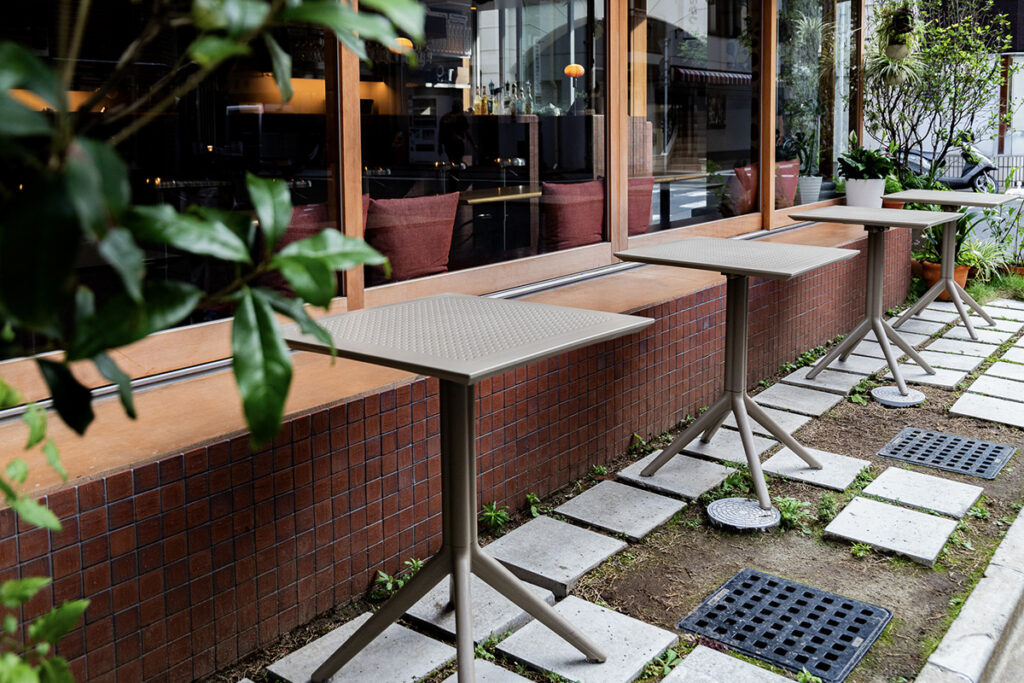
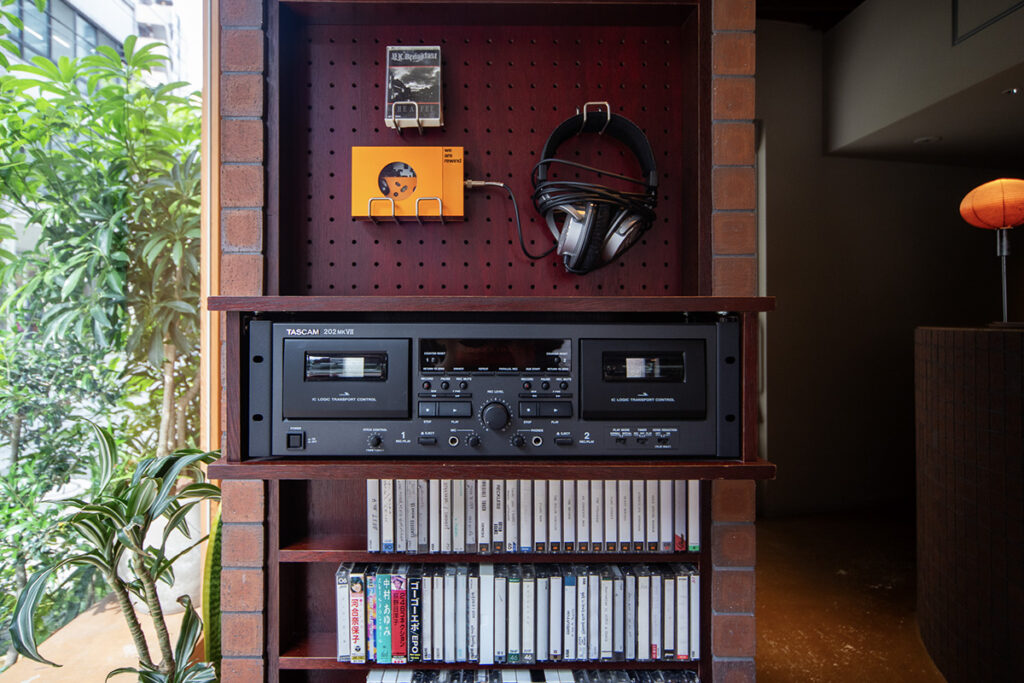
Image 1: The same red brick design found in the hotel’s guest rooms gives the space a distinctive character.
Image 4: A boombox gifted by a local neighbour sits inside the restaurant. Guests can request songs at the front desk, which are then played as part of the restaurant’s background music.
The name Tane is a play on the Japanese word tane (タネ), which can mean both “seed” and the starter used to create something new. It reflects three ideas. The first is tane as dough, made with a 15-year-old natural yeast starter inherited from its sister bakery, Parklet Bakery. The second is tane as a seed, representing the new culture that grows from the soil of SOIL. The third is tane as a seed of conversation, creating connections between people and the neighbourhood. More than just a restaurant, the space is intended to become a starting point for nurturing the community around it.

Photo courtesy of SOIL Nihonbashi Hotel
The dough at Tane is another element worth paying attention to. Unlike the efficiency of dry yeast, Tane uses natural yeast and allows the dough to ferment slowly over 1.5 days. During this process, the starches break down and lactic acid fermentation develops, bringing out a juicy sweetness that deepens with every bite.
Tane also uses a high-protein flour and pushes the hydration level to the highest point possible while still maintaining the dough’s structure. The result is an exceptionally chewy texture.
Leaving the TV Behind: Design That Leads Guests into the Streets
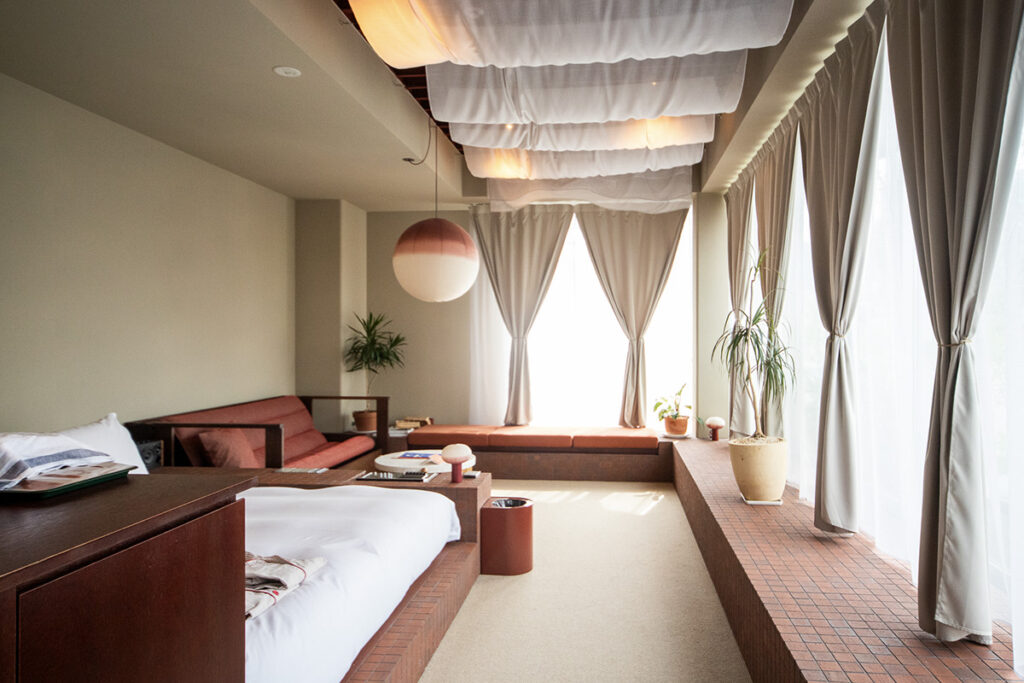
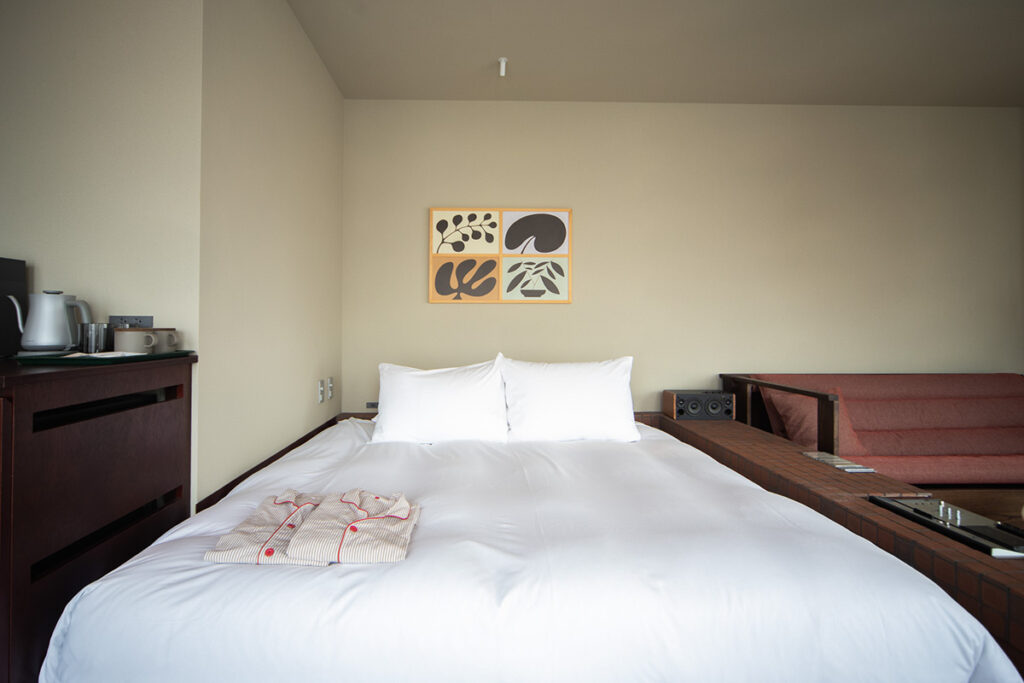
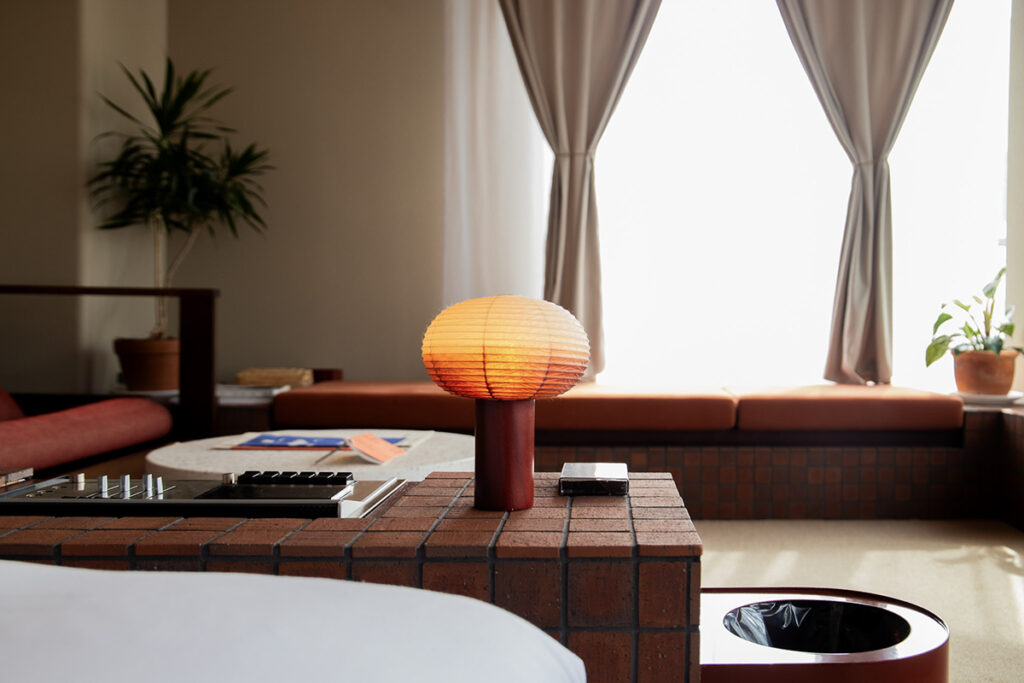
Image 1: The guest rooms, designed by Seimei Takeda Architectural Design Office, feature a red earth palette inspired by flower beds.
Image 3: The lantern-style stand lights are part of SOIL’s original collection and are also available for purchase.
SOIL Nihonbashi Hotel proposes a way of staying that extends beyond the hotel itself: experiencing the neighbourhood as part of the journey. Rather than keeping guests within the boundaries of the property, SOIL invites them to discover the streets around it. The hotel is designed as a gateway to Nihonbashi, where guests can connect with the local community and, by the time they check out, feel less like visitors and more like neighbours of Nihonbashi.
The guest rooms are designed to offer the comfort of home while still providing a sense of escape. Although these two ideas may seem contradictory, they are connected by the feeling of being able to spend time entirely at your own pace. For this reason, the spaces intentionally leave room for guests to make them their own.
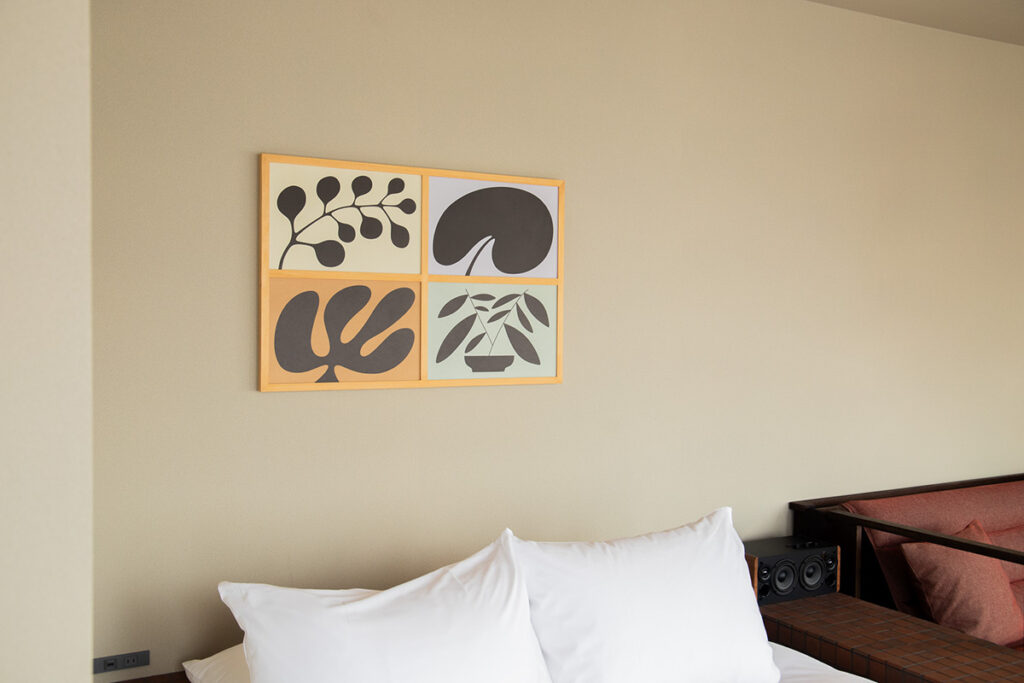

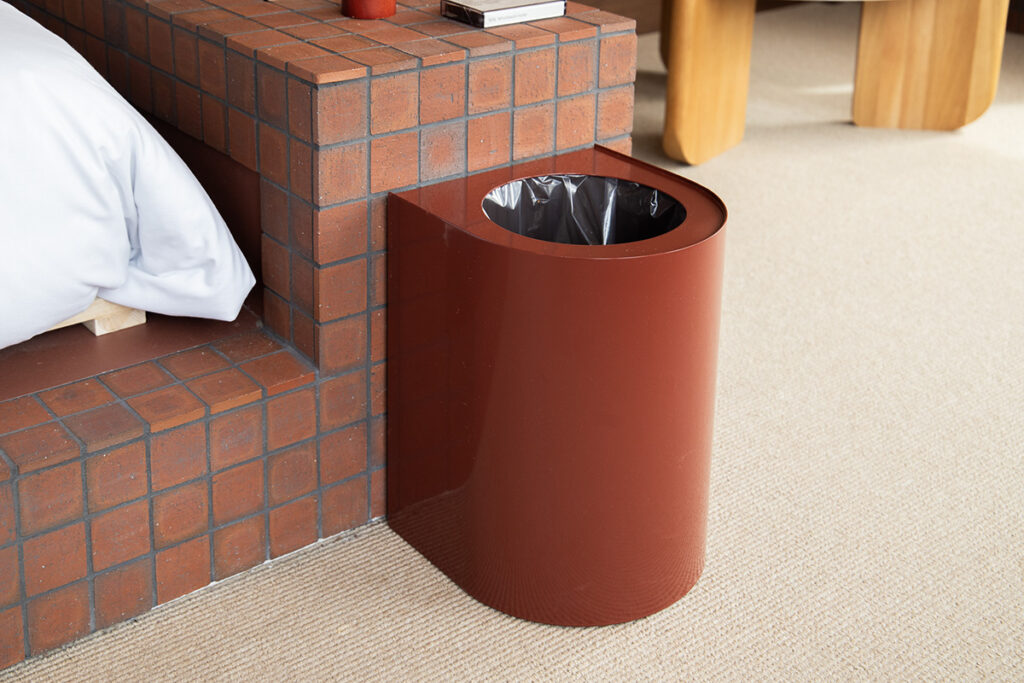
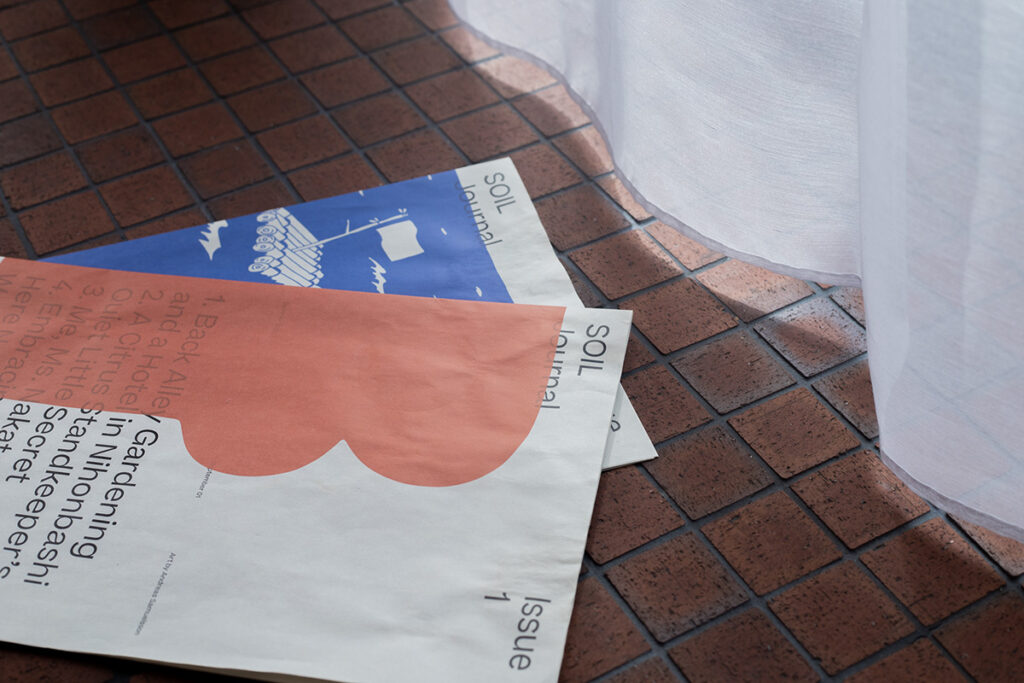
Image 1: An original painting created for the hotel by Swedish artist Andreas Samuelsson.
Image 2: The stones used for details such as the door handles and glasses were collected by the hotel staff in Itoigawa, Niigata.
Image 3: The waste bins were designed to fit seamlessly into the guest rooms, blending into the walls.
Image 4: Each guest room includes a copy of SOIL Journal, which introduces the culture and stories that live within SOIL.
The decision not to include televisions in the rooms comes from a desire to encourage guests to step outside and engage with the neighbourhood rather than retreat into digital entertainment. Even the smallest details, such as the amenities provided, are selected based on the idea of choosing items that people living in the neighborhood might use, allowing a sense of the local context to become part of the experience.
SOIL Nihonbashi Hotel proposes a circulating style of stay, where guests explore a network of connected spaces spread throughout the neighbourhood.
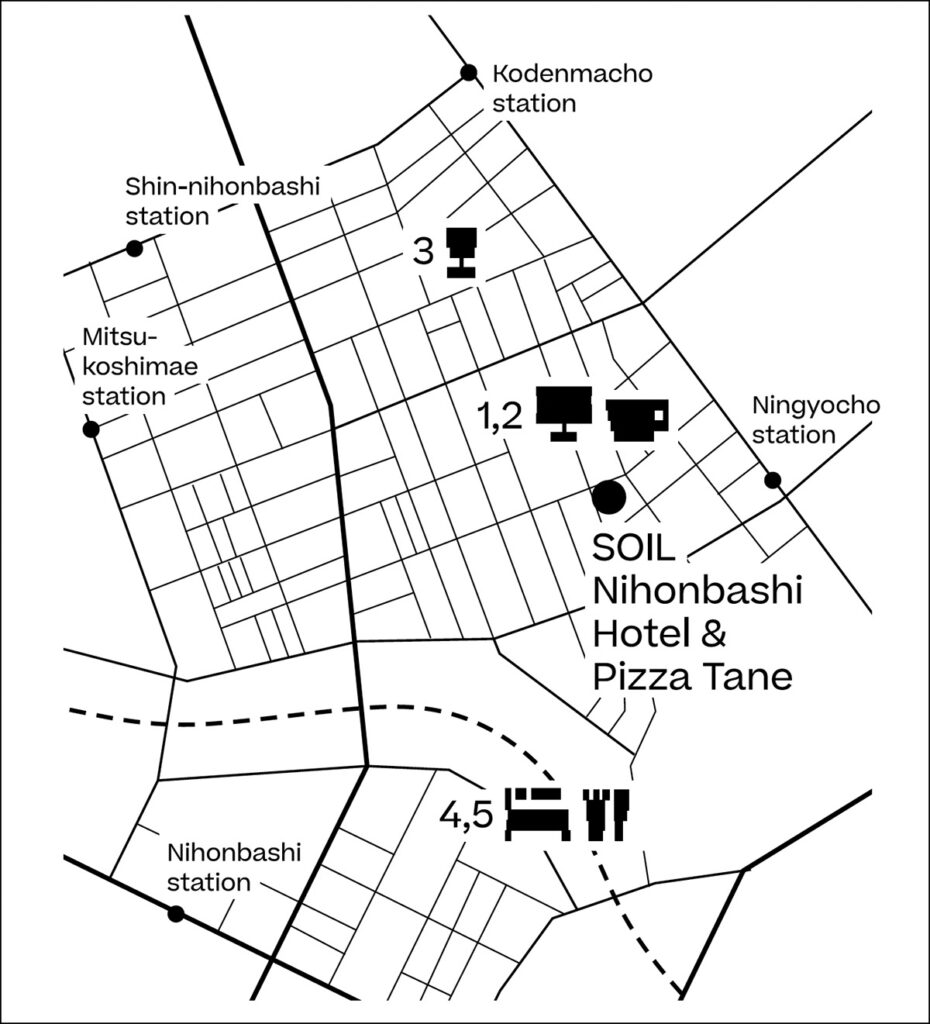
Photo courtesy of SOIL Nihonbashi Hotel
Several Staple-operated spaces are located within walking distance of the hotel. By moving between these places, guests are encouraged to become more like neighbours rather than simply visitors.
“During the day, guests might work at Soil work, enjoy a glass of wine at timsum in the evening, have dinner at Pizza Tane at night, and take a short walk to Parklet Baker the following morning. We want guests to become good neighbours of the area, so we introduce routes that let them naturally explore the surrounding spaces. We also encourage them to ‘turn down a street corner that isn’t shown on the map,’ as the area still has long-established shops dating back to the Edo period and the narrow alleyways of the old wholesale district.”
Firmly Rooted in the Neighbourhood
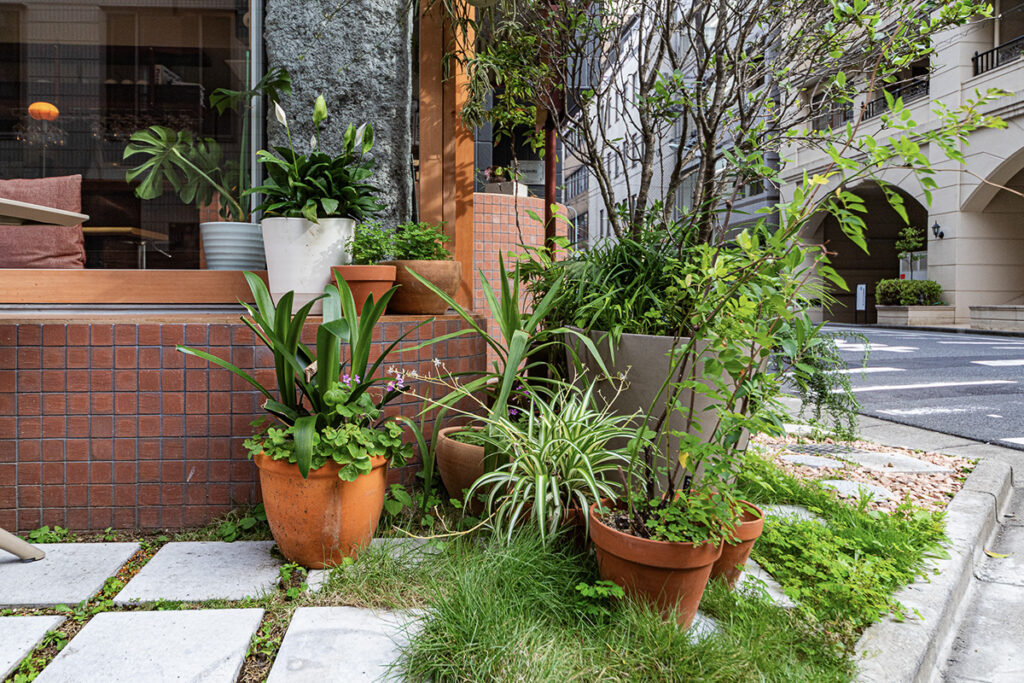
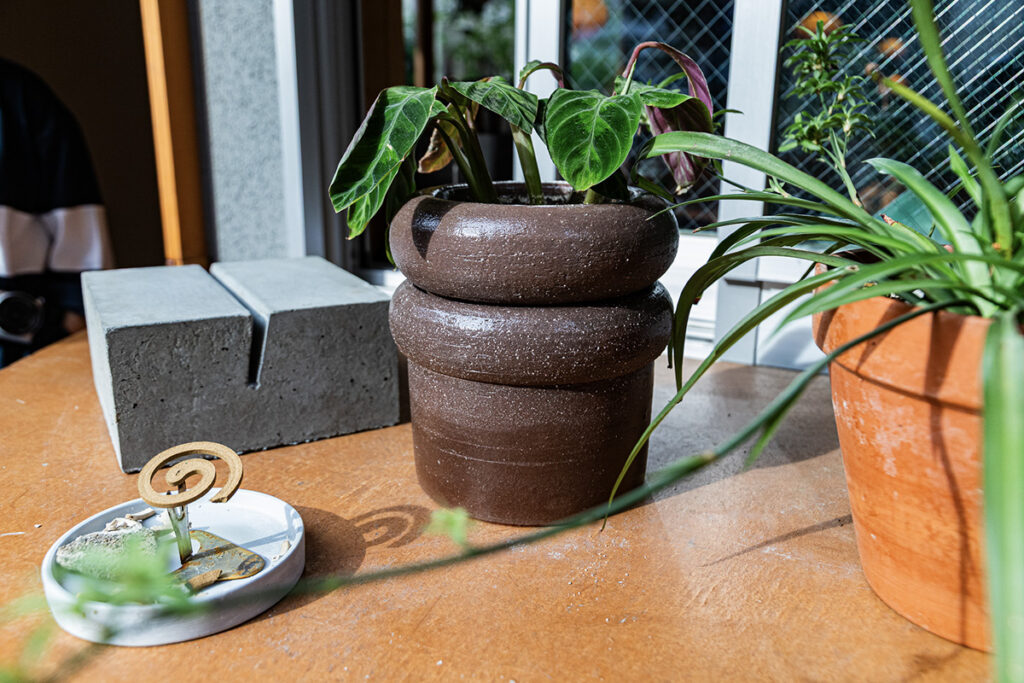
Image 1: Many of the plants throughout the hotel were donated by neighbours in the area. The names of each person who gifted them are written on the planters.
Image 2: “the planter stp_1.001” Discarded planters and coffee grounds are given a second life as recycled ceramics.
What SOIL Nihonbashi Hotel values is not only having guests become part of the neighbourhood, but also ensuring that its own staff become members of the community. Some staff members moved to the area more than a year before the hotel opened, taking part in local associations and festivals while building relationships of trust with residents, almost like a member of the family. Because they are recognized locally as “the people from that hotel,” they can confidently introduce guests to the hidden charm found deeper within the alleyways. As the staff share in the everyday life of the neighbourhood, the boundary between the hotel and the community begins to fade, allowing travellers to naturally become part of the local rhythm.
The plants that fill the hotel are a symbol of this connection with the neighbourhood. Many of them were actually gifted by local residents. Rather than creating a self-contained world within the hotel, SOIL brings together people and plants from the surrounding area and nurtures them together. These scenes embody the hotel’s concept of SOIL (soil): a place where new culture can take root and grow.
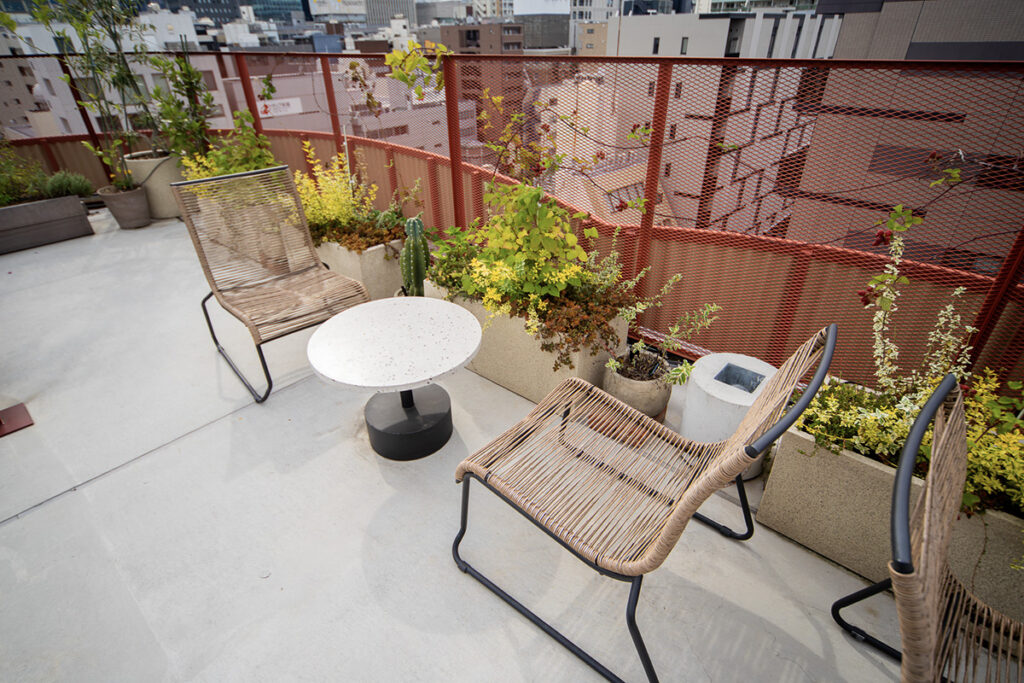
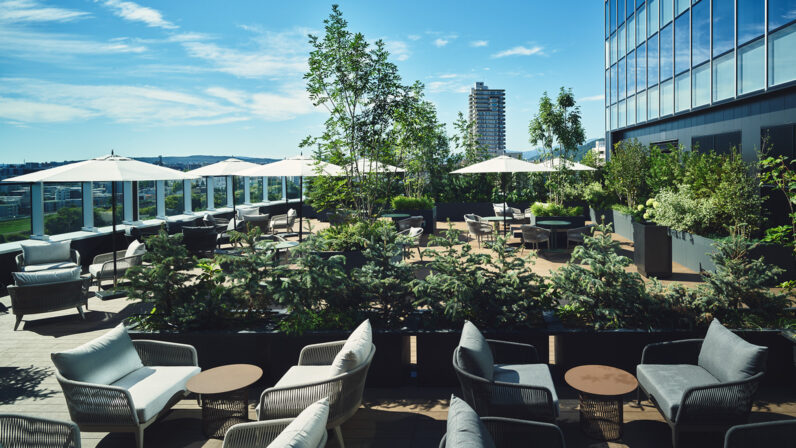
The rooftop “Farm Garden” Soil Farm offers guests an open space to relax. Food and drinks from Pizza Tane on the ground floor can be enjoyed on the terrace.
What this hotel ultimately aims to achieve is not a place where people stay simply because they are visiting Nihonbashi, but a destination that gives people a reason to come to Nihonbashi in the first place. Even as large-scale redevelopment continues to reshape the structure of the city, SOIL hopes to preserve the presence of diverse lives within each alleyway and remain quietly rooted amid that change for the next 10 or 20 years. As the plants on the façade keep growing and the people who gather here change over generations, the hotel’s contribution to the neighbourhood is to continue cultivating fertile ground for new encounters as an essential part of the city.
This approach of putting down roots in a place is a philosophy shared across Staple. Rather than offering the same experience everywhere, the company carefully edits the history and industries of each location, transforming them into meaningful stays. This is what creates the feeling that guests want to return to that place even after they have checked out, nurturing a rich soil where diverse forms of life and activity can come together.
SOIL Nihonbashi Hotel
Address: 3-2-4 Nihonbashi Ningyocho, Chuo-ku, Tokyo
Website: https://soilis.co/nihonbashi/
Instagram: @soil_nihonbashi