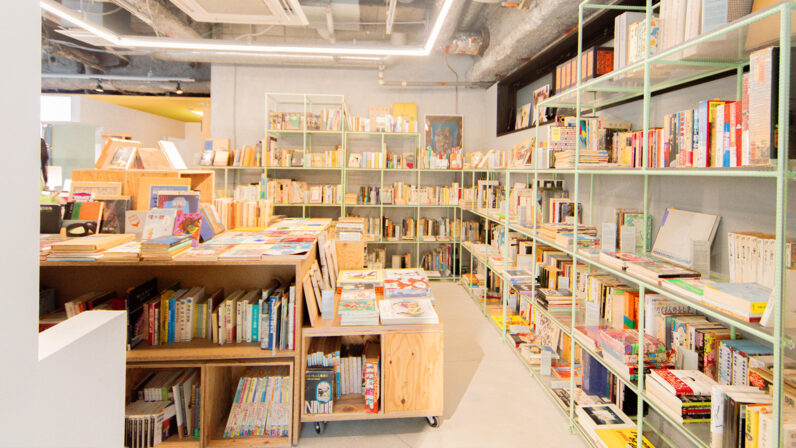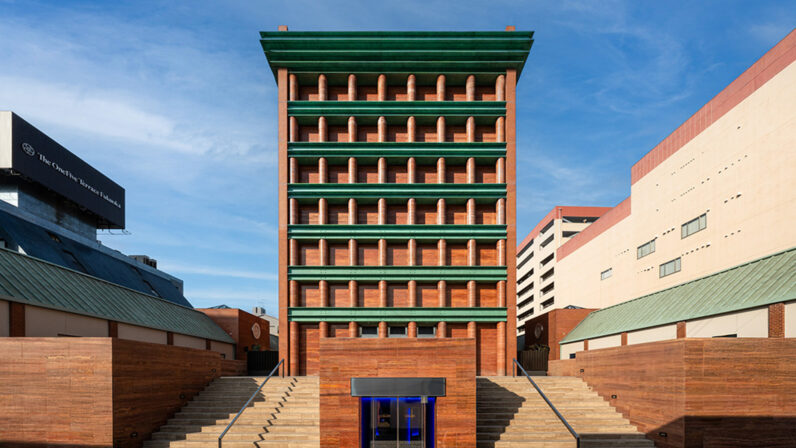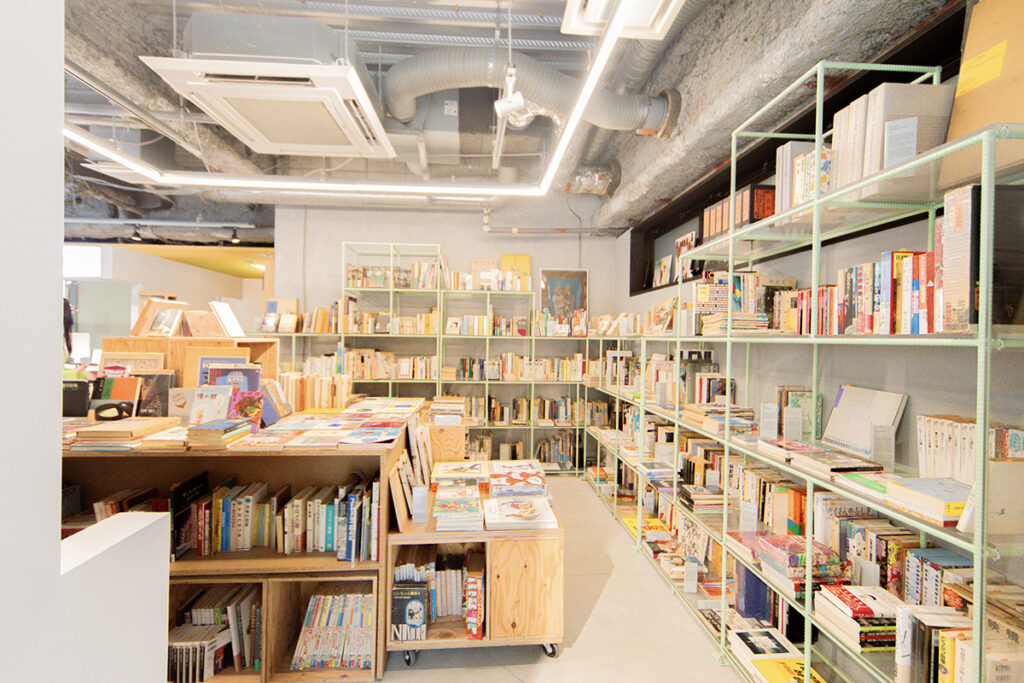
In a corner of Tokyo’s Minato Ward sits TIGER MOUNTAIN, a bookshop and art gallery with a concept unlike most others. Opened in February 2025, it is operated by Kurochōsha, a content label known for its work across podcasts, digital media and other creative platforms. Yet the decision to establish a physical space in an increasingly digital world reflects a broader philosophy about how people encounter culture and ideas.
Categorising Books by Designer Rather Than Author

A glowing neon tiger marks an unexpected entrance amid Toranomon’s office buildings. A gateway to new cultural discoveries, TIGER MOUNTAIN is more than a physical space, it’s a medium in its own right.
TIGER MOUNTAIN’s most distinctive feature is the way it organises its books. Rather than sorting titles by author or genre, the shop groups them according to the designers behind their appearance. Names such as Tadanori Yokoo, Kohei Sugiura, Koga Hirano and Hiroshi Manabe appear on the shelf dividers, inviting visitors to explore books from an entirely different perspective.
The shop houses a carefully curated collection of approximately 4,400 second-hand books, primarily published between the 1960s and 1990s. Many feature something rarely seen in modern publishing: covers free of barcodes, which only became widespread in Japan in the late 1980s. Before these identifying codes appeared on book spines and back covers, designers could treat every inch of a book’s exterior as a canvas for creative expression.
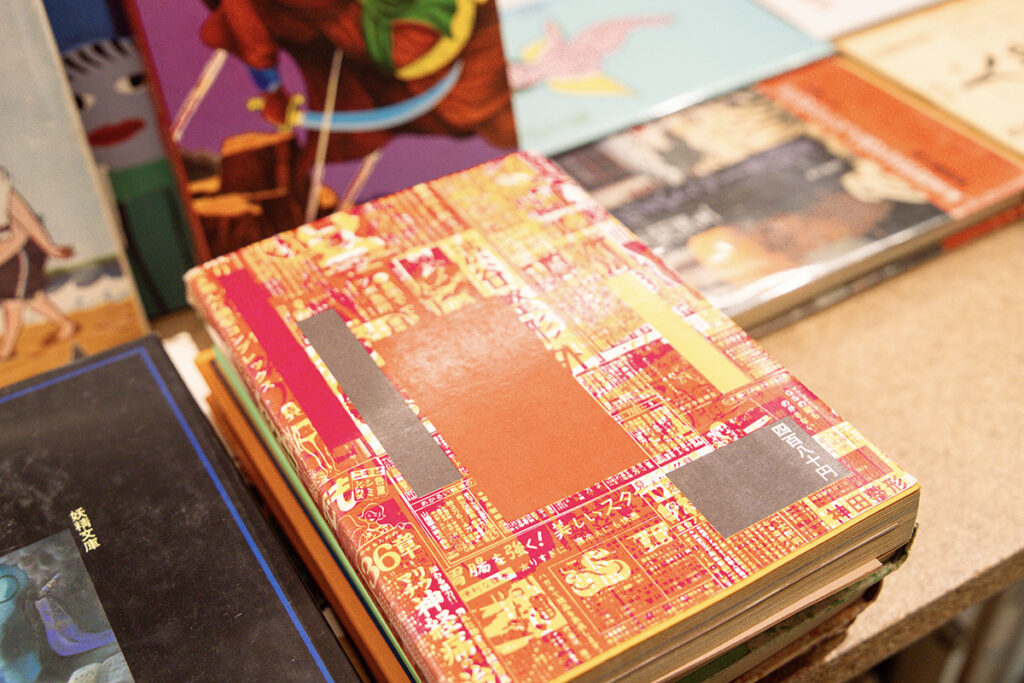
Bold collages and vibrant colours characteristic of vintage books from the 1960s to the 1990s.
At the time, the publishing industry was not as highly specialised as it is today. Book designers often took on multiple roles, creating their own illustrations and lettering, and sometimes even playing an active part in shaping the content and layout. There was a strong sense of creative freedom and dedication, with designers working across disciplines to bring a single book to life.
Working closely with printers and paper manufacturers, they experimented with innovative printing techniques and new paper materials, helping drive significant advances in Japanese publishing technology. TIGER MOUNTAIN offers a place to rediscover the rich creative expression of this era, much of which is gradually being overlooked, and appreciate it from a contemporary perspective.
Beyond Books: A Space for Art and Culture
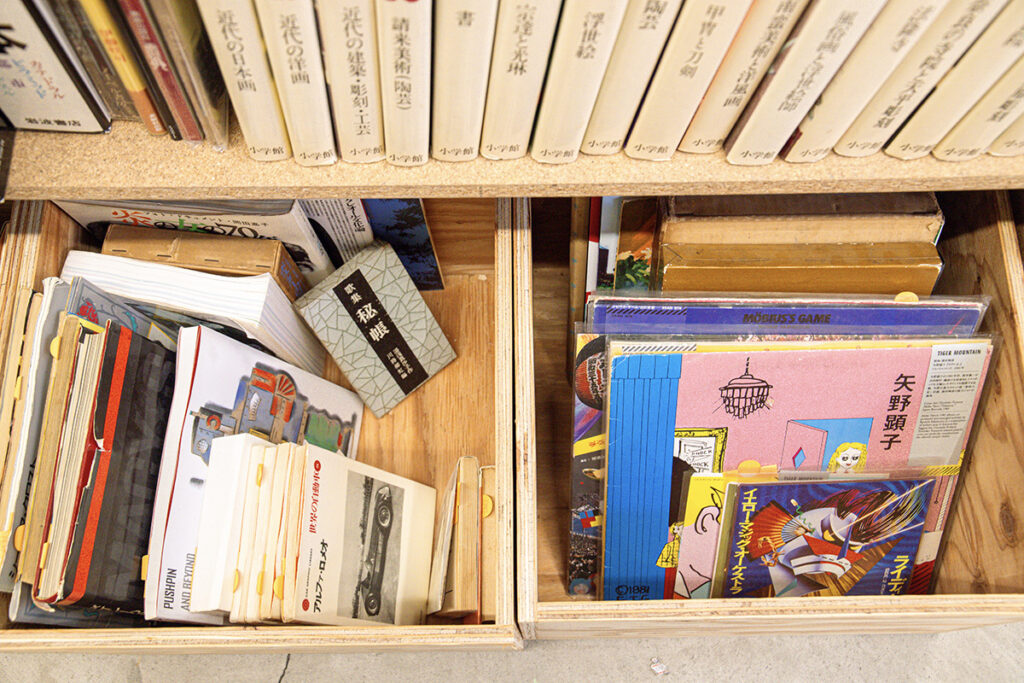
Kurochōsha’s decision to establish a physical space reflects a broader philosophy: a place itself can be a medium for sharing ideas. Podcasts and videos may be effective at communicating information, but stepping into a bookshop invites a different kind of engagement, one that encourages visitors to explore and discover things through a hands-on experience.
While new bookshops reflect the voices and ideas of the present, TIGER MOUNTAIN offers an opportunity to appreciate the lasting physical presence of books from decades past. There’s something special about picking up a book, feeling its weight and running your fingers over the texture of its pages. There’s also the chance to stumble upon connections between books from entirely different fields, something rarely experienced online. For Kurochōsha, these tangible encounters are a natural extension of its approach to creating content.
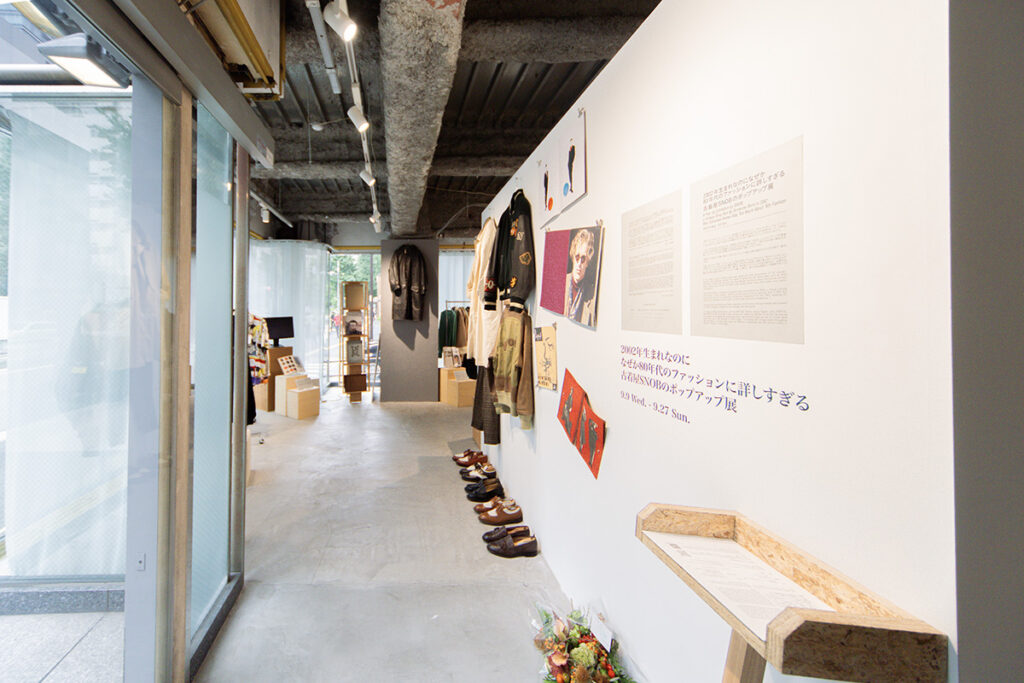
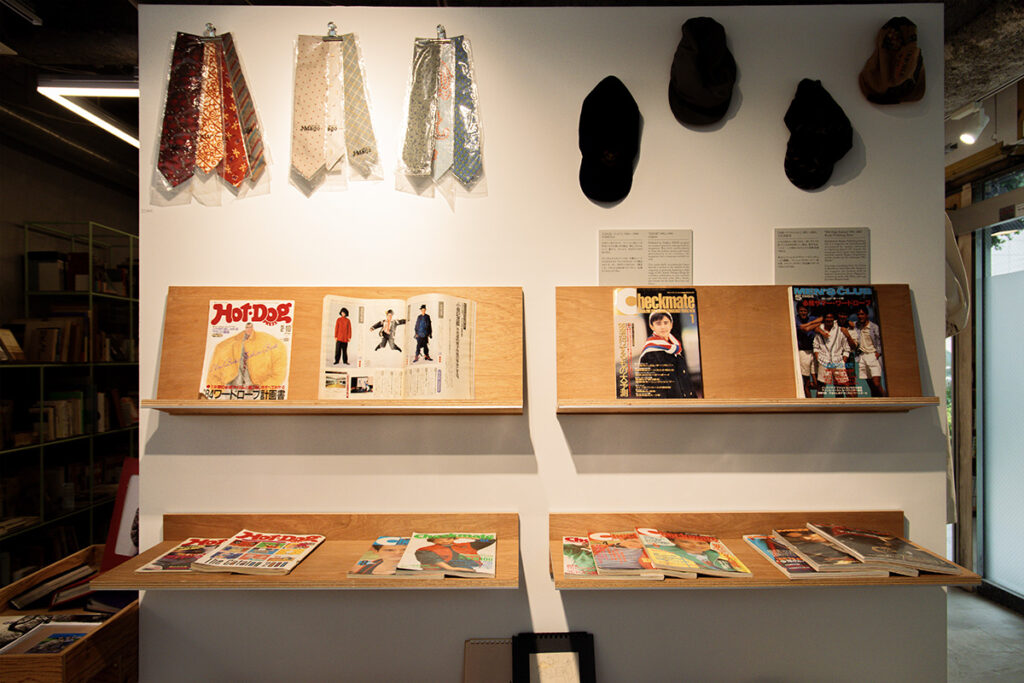
Image 1: Wrapping around the bookshop, the gallery feels like a natural extension of the bookshelves. Exhibitions spanning fashion, antiques and more encourage visitors to discover new interests and ways of seeing.
Image 2: A pop-up by vintage clothing shop SNOB during our visit. Issues of 1980s magazines such as Hot-Dog PRESS and Checkmate sit alongside ties and caps from the period, each offering a richer understanding of the other’s cultural context.
The gallery adjoining TIGER MOUNTAIN extends the experience beyond books, with exhibitions exploring everything from vintage fashion and plants to antiques. A pop-up by a vintage clothing shop whose owner was born in 2002 is one example of how the space brings contemporary perspectives into conversation with design culture from decades past. Together, the bookshop and gallery create a setting where different interests and generations can overlap, with the aim of building a cultural hub that reaches beyond any single community.
Exploring Japan’s Graphic Design Heritage Through Vintage Books
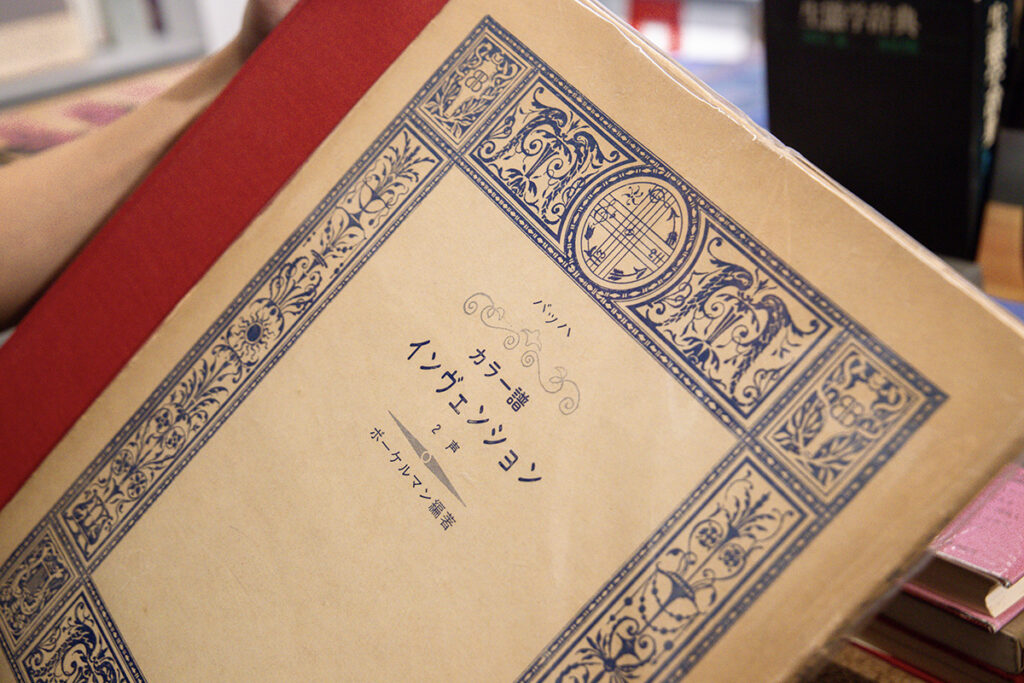
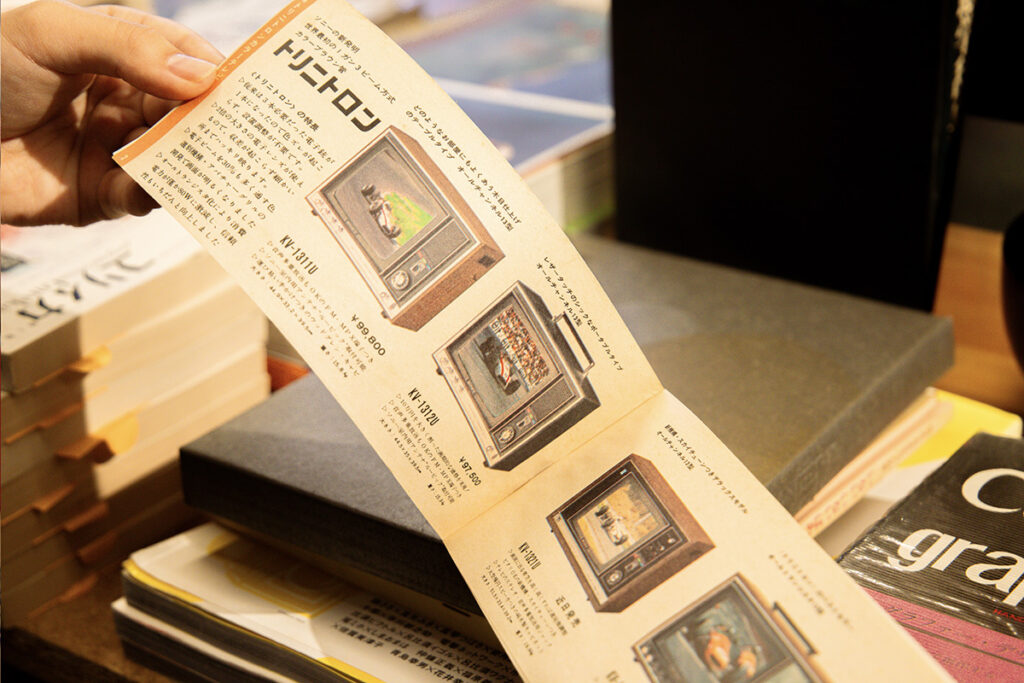
Image 1: The collection extends beyond books to include items such as colour-illustrated musical scores of Bach’s works.
Image 2: A colour catalogue for Sony’s Trinitron televisions, published decades ago. Before barcodes became commonplace, corporate promotional materials provided another outlet for bold and experimental graphic design.
TIGER MOUNTAIN also regularly welcomes international visitors. Even for those without an understanding of Japanese, the refined aesthetics and bold layouts of Japanese book design have a visual appeal that transcends language barriers.
Some of the most striking examples can be found in the promotional magazines and catalogues once produced by Japanese companies. Suntory’s Yoshu Tengoku, Sony’s colour catalogues and Shiseido’s Hanatsubaki showcase an extraordinary level of design sophistication, reflecting the creative heights of Japanese editorial and print culture at the time.
Look closely at these publications and the details tell their own story: inventive typography, carefully composed double-page spreads and even colour applied to the edges of the pages. These tactile and visual qualities give printed books a character that digital formats cannot reproduce. To help non-Japanese speakers explore Japan’s rich publishing heritage, TIGER MOUNTAIN also provides bilingual Japanese and English information, including designer profiles and explanatory inserts.
Where Books and Ideas Converge
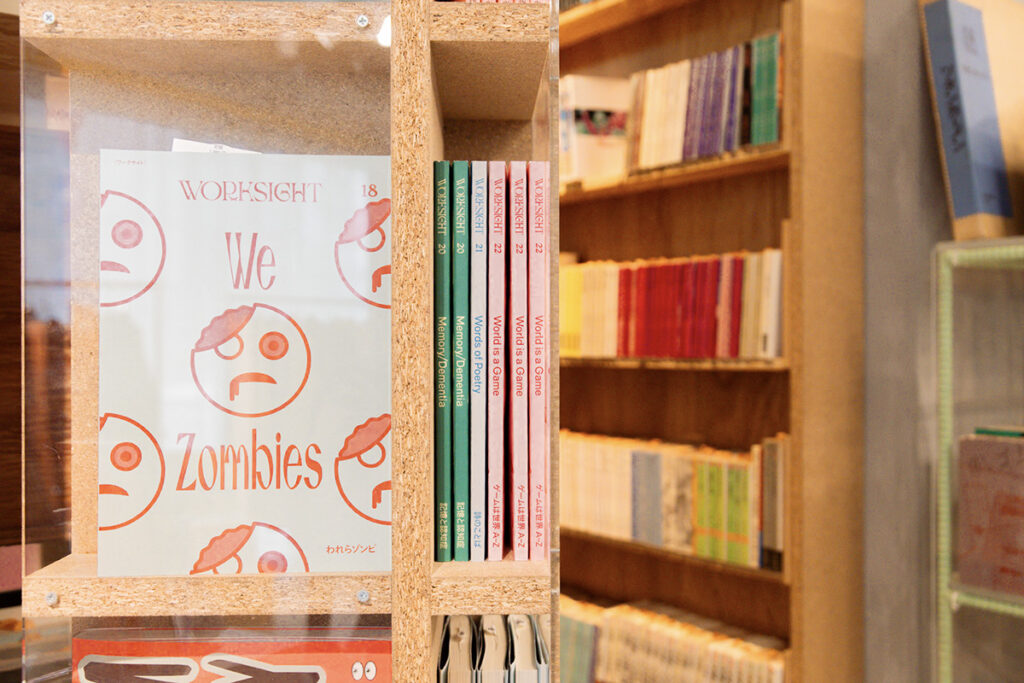
WORKSIGHT, the signature magazine of Kurochōsha.
The name TIGER MOUNTAIN takes its inspiration from a celebrated album by Brian Eno, which itself references the Chinese revolutionary opera Taking Tiger Mountain by Strategy. This reference reflects a broader philosophy of engaging with culture through thoughtful curation and presenting it from unexpected perspectives.
At the heart of the shop is the concept of “editorial culture”, which extends far beyond the traditional act of editing books. It is about connecting diverse creative talents and information, bringing different perspectives together to generate new cultural value.
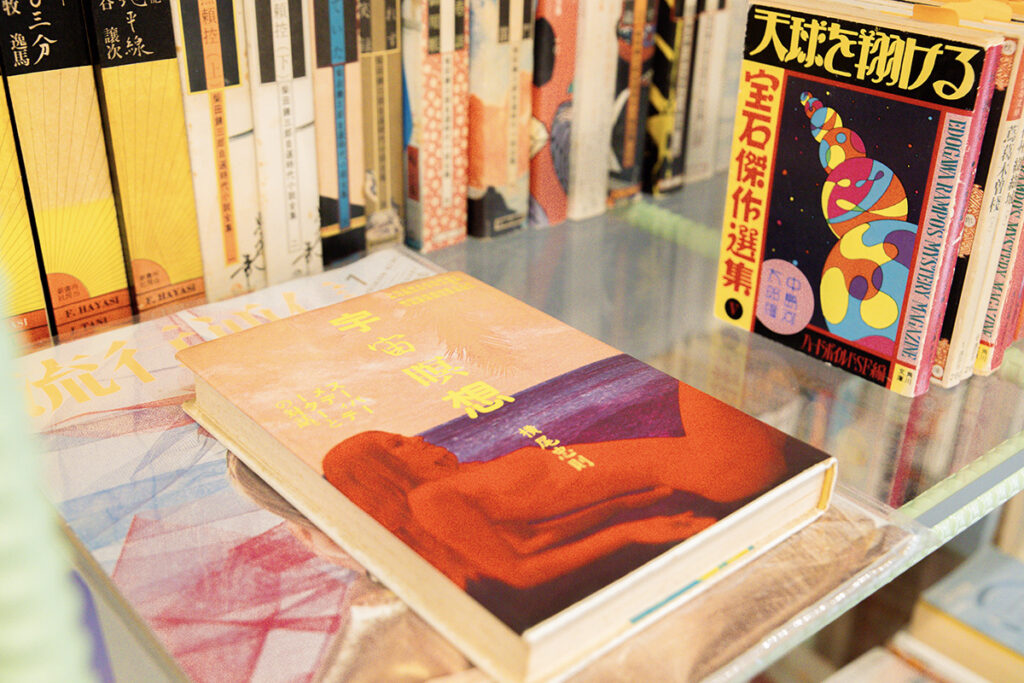
A book featuring the work of Tadanori Yokoo. By browsing collections organised around individual designers and their distinctive styles, visitors can get insights in a way that traditional author-based categorisation rarely allows.
At TIGER MOUNTAIN, visitors are encouraged to look beyond their usual interests and discover ideas they might never have encountered otherwise. Every visit offers the possibility of finding something new. By opening up fresh ways to explore Japan’s rich publishing heritage, TIGER MOUNTAIN is establishing itself as a valuable addition to Tokyo’s cultural scene.
Upcoming Exhibitions & Events
October 7–25, 2026
Photography Exhibition: An Exhibition of THE NEW JAPAN
November 4–22, 2026
THE LINE OF TOKYO GUARD PIPES
Upcoming Off-Site Events
October 24–25, 2026 Scheduled to participate in the 3rd Yomi no Ichi (Reading Market) at Tokyo Midtown.
TIGER MOUNTAIN
Instagram: @tigermountain_books/
Address: 1F, Toranomon ROOTS 21 BLDG., 3-7-5 Toranomon, Minato-ku, Tokyo