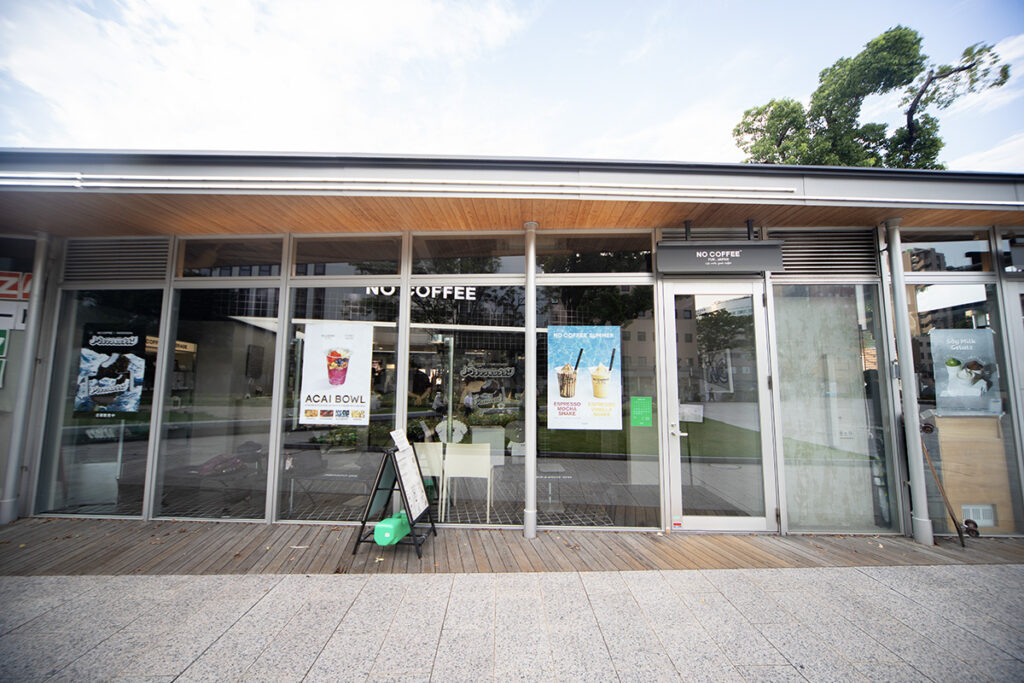
Since opening in Fukuoka’s Hirao neighbourhood in December 2015, NO COFFEE has carved out a distinctive identity that extends well beyond espresso-based drinks. Alongside its coffee menu, the brand has developed an extensive range of original merchandise, from tumblers to apparel. Now, it has opened a second location, NO COFFEE TENJIN PARK, at HARENO GARDEN in Tenjin Central Park.
So why move into a park in the middle of Fukuoka? And what has allowed NO COFFEE to grow from a neighbourhood coffee shop into a brand working with everyone from major convenience store chains to streetwear labels? We caught up with owner Shinsuke Sato to learn more.
From Hirao’s Quiet Streets to an Open, Parkside Kiosk
NO COFFEE’s first location is tucked away in Hirao, a quiet residential neighbourhood in Fukuoka’s Chuo Ward. Home to a style-conscious, creative crowd, the area brings to mind Tokyo neighbourhoods such as Hatagaya and Tomigaya. Over the years, the brand’s growing collection of original products and merchandise gradually outgrew the space. That created a need for somewhere that could better showcase everything NO COFFEE has to offer.
That opportunity arrived through Nishi-Nippon Railroad, the company responsible for managing Tenjin Central Park. An invitation to open at HARENO GARDEN, a development within the park linking Tenjin and Nakasu, led to the creation of the new location. With the river on one side and greenery all around, it offers an open, welcoming setting where people passing through the city can easily drop in.
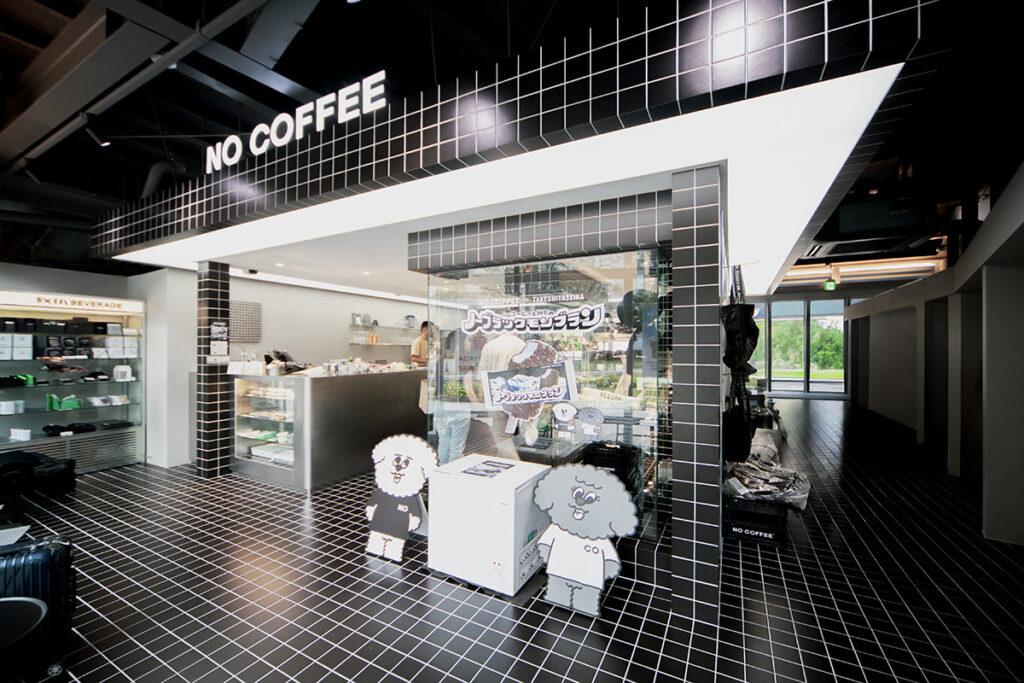
Designed around the idea of a “park kiosk,” the new location places an island-style bar counter at its centre, giving the interior the feel of a small standalone shop within a larger space. Rather than repeating the mortar-grey aesthetic of the original Hirao store, the design draws on NO COFFEE’s signature black, with tiled surfaces, white grout lines and custom-made furnishings. Bench seating is fitted with lighting reminiscent of park streetlamps, while green accents bring a touch of the outdoors inside.
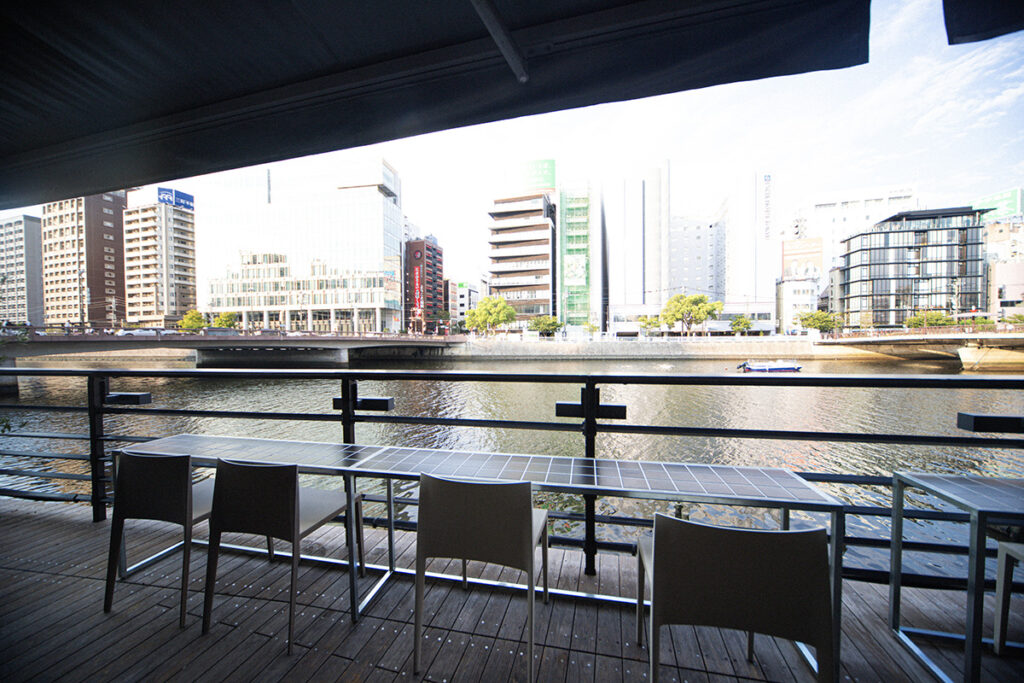
Terrace Seating Overlooking the Naka River
The new shop has around 40 seats, split evenly between the indoor space and a riverside terrace, giving visitors more room to settle in than at the original Hirao location. With the extra seating comes an expanded food menu, featuring items not offered at the original shop. In addition to the usual waffles and baked treats, there are toast options and special collaboration acai bowls, offering plenty of reasons to stay a little longer.
Visitors can also pick up exclusive mugs, apparel and other merchandise incorporating the shop’s signature green accents. These products are available only in-store, rather than through NO COFFEE’s online shop.
Beyond Taste: Building a Coffee Brand
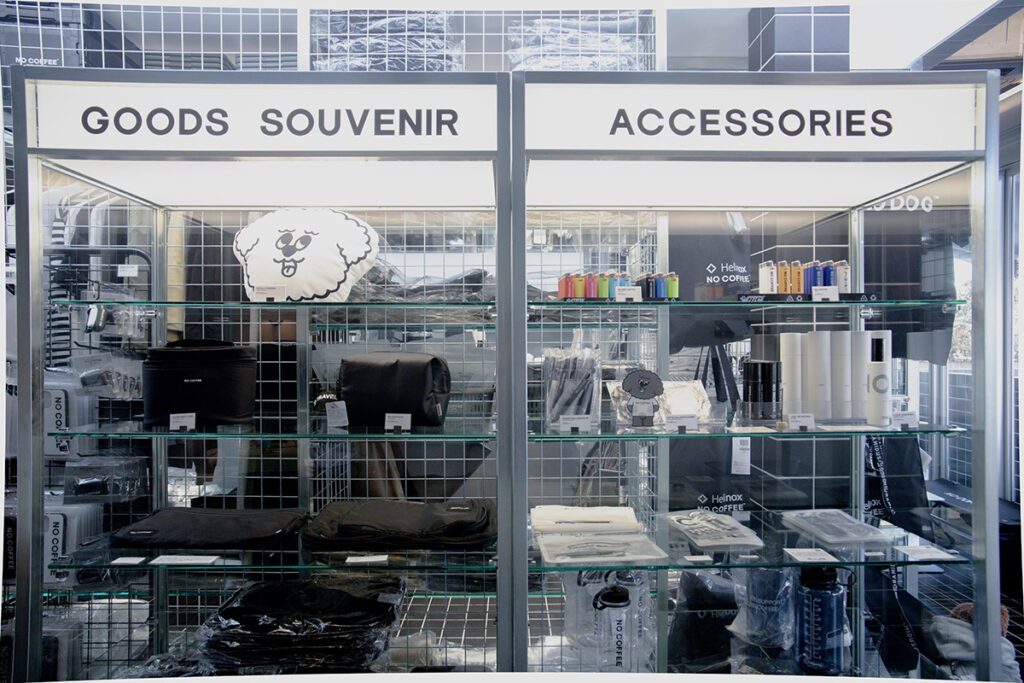
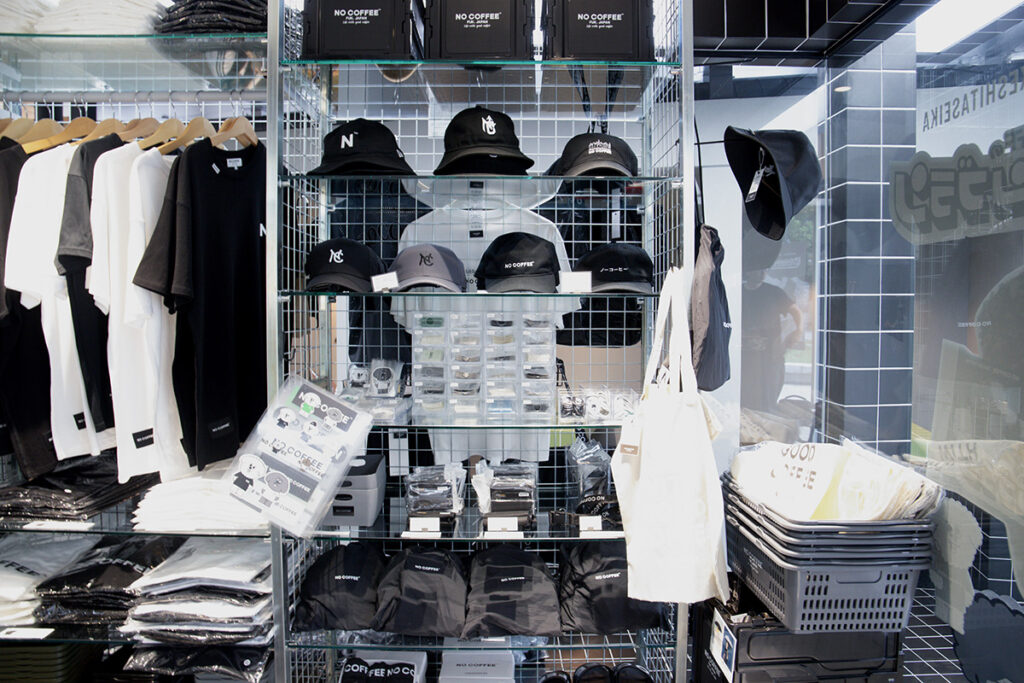
From apparel and pet accessories to camping gear, home fragrances and even collaborations with major convenience store chains, NO COFFEE’s range of merchandise and partnerships extends far beyond what you might expect from a typical coffee stand. Behind this unconventional approach is founder Shinsuke Sato’s diverse professional background.
Sato first experienced coffee culture while working part-time at Starbucks for around four years during university. Back then, the chain was still in its early days in Japan and had just one location in Shibuya, at Bunkamura. After graduating, he took a different path, joining a toy manufacturer before moving into the apparel industry, where he spent more than a decade working in product planning and public relations.
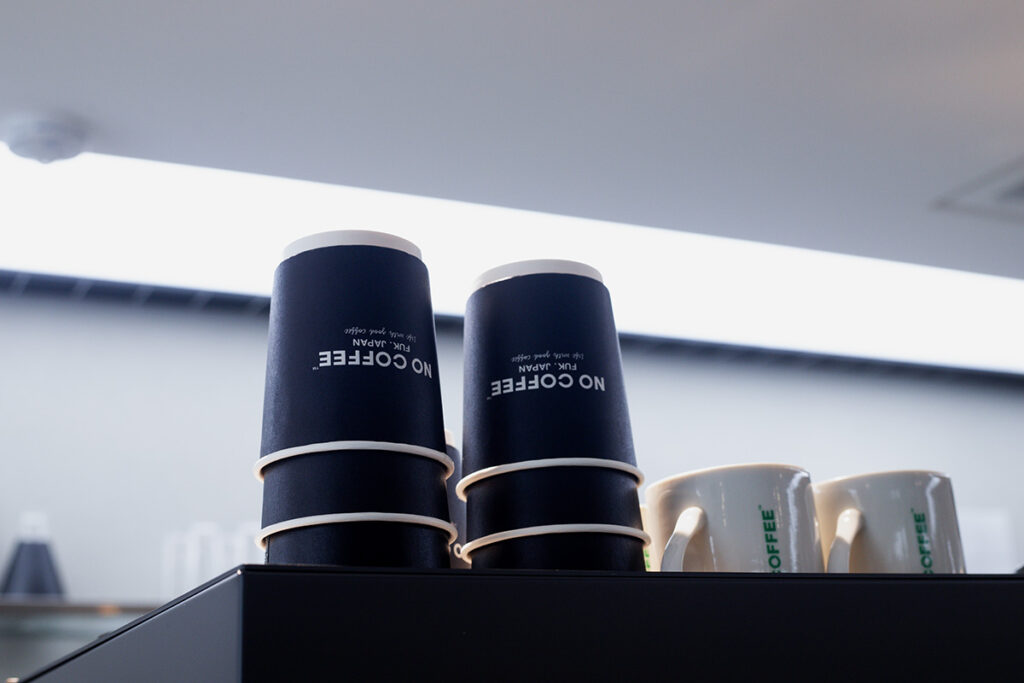
By the time Sato decided to start his own business in his late 30s, he had a clear idea of what he wanted to do: bring together his passion for coffee and his years of experience in creating products and promoting brands. That combination became NO COFFEE. He believes coffee is inherently subjective. Even beans celebrated at world championships won’t suit everyone’s palate, so building a business around taste alone was never part of his plan.
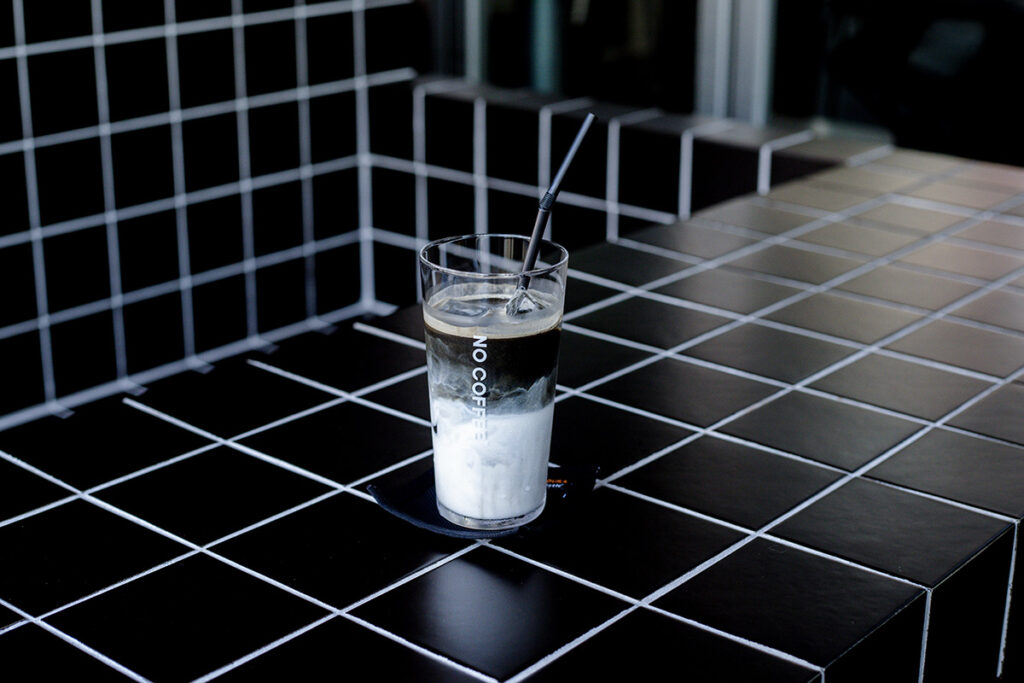
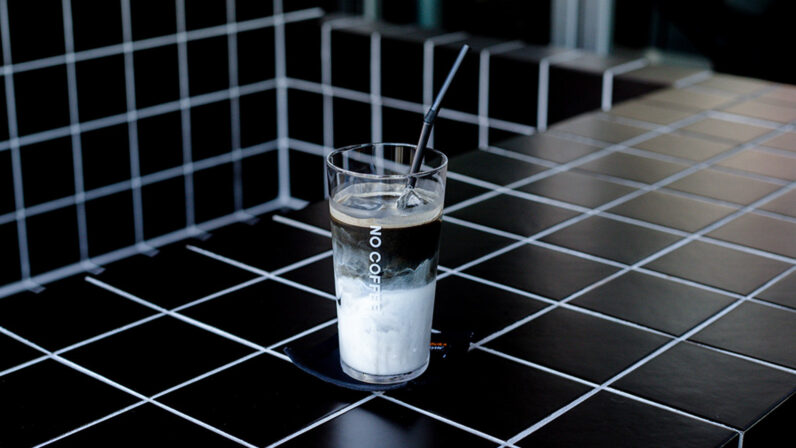
The signature Black Latte is made with bamboo charcoal rather than black sesame.
Of course, that doesn’t mean compromising on the quality of what’s served. A favourite among both Japanese and international visitors is the signature BLACK LATTE, known for its striking jet-black appearance. Made with espresso, bamboo charcoal powder and milk, the drink was originally introduced as a limited-time offering. However, continued demand from customers in Japan and overseas earned it a permanent place on the menu. Its distinctive appearance complements the shop’s monochrome interior, and it has become one of NO COFFEE’s most popular drinks, alongside the matcha latte with an added shot of espresso and the Americano.
Collaborations Bridging Cultures and Industries
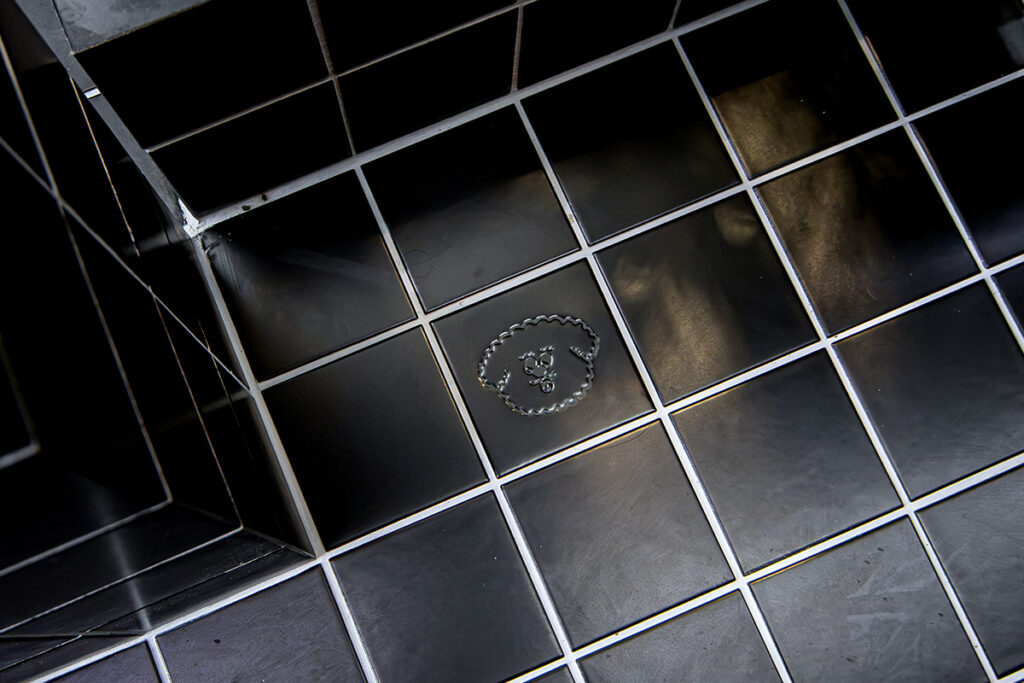
NO COFFEE’s original character, N-O-kun, named after the brand’s NO.
Collaborations have also become a major part of NO COFFEE’s identity. The brand receives close to 20 proposals each year, with around 80% initiated by the other party. Its partners have included some notable names in streetwear and fashion culture, from X-girl to Hiroshi Fujiwara and Hirofumi Kiyonaga, influential figures in the Ura-Harajuku scene with whom the brand has produced exclusive T-shirts for industry insiders.
Sato approaches every collaboration with one question in mind: will it be mutually beneficial? For him, part of the appeal lies in the unexpected ideas that emerge when different industries come together. He believes the attention NO COFFEE now receives from major companies reflects the years he has spent building connections between culture, creativity and product development.
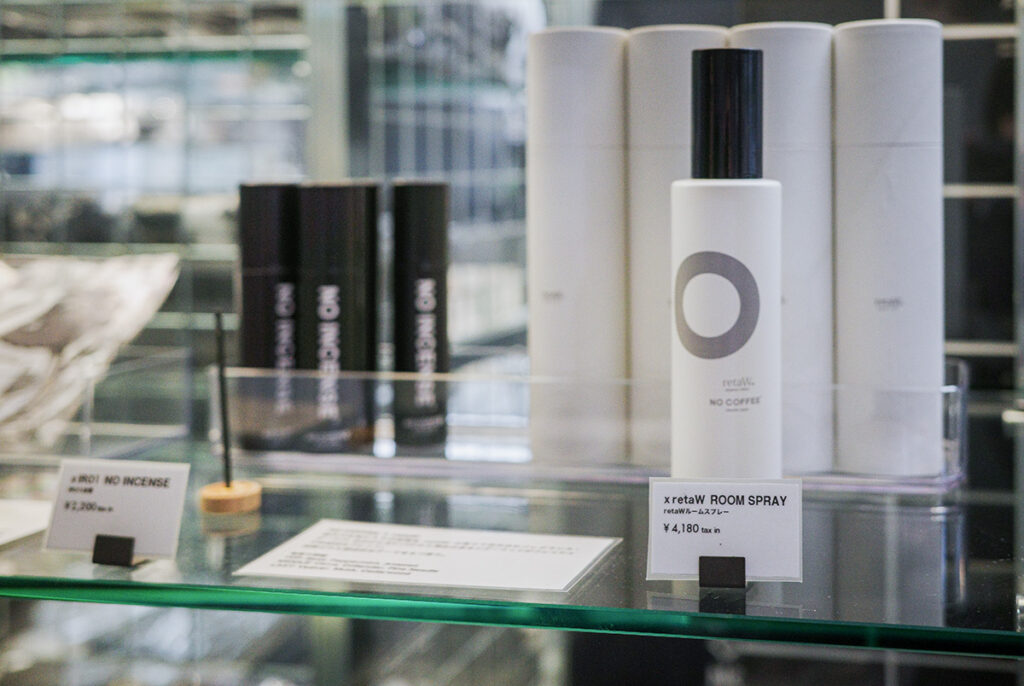
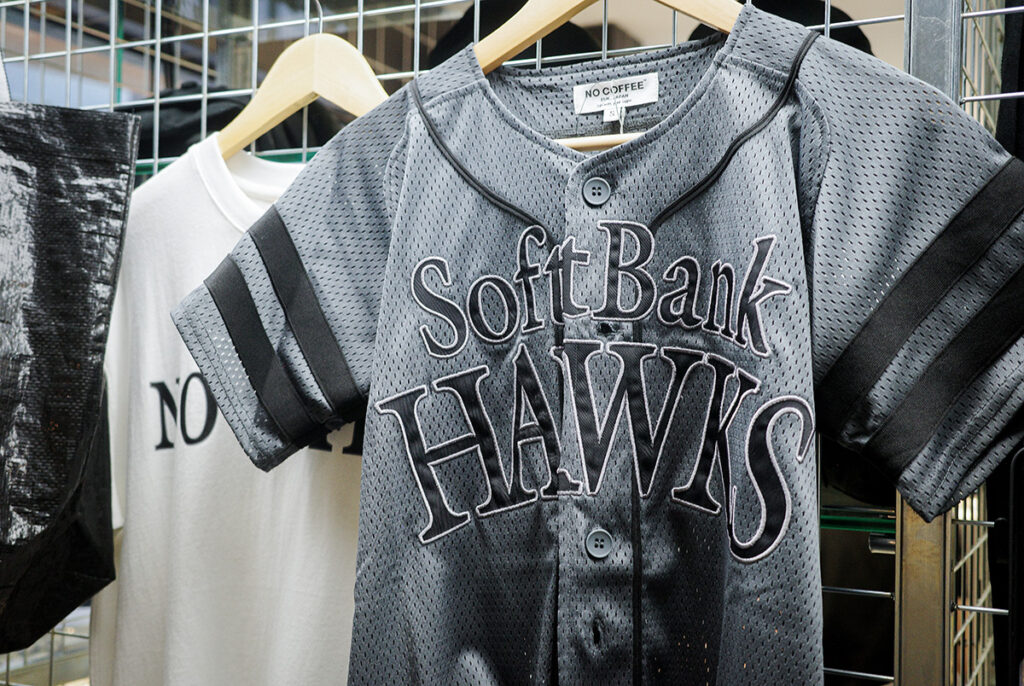
By balancing large-scale campaigns aimed at a wider audience with projects that resonate with dedicated followers of street culture, NO COFFEE continues to grow its profile and expand its fan base. Sato believes that focusing solely on keeping existing fans happy would ultimately limit the brand’s growth. Instead, he is constantly looking for ways to reach new audiences.
The original Hirao shop has spent years cultivating its own culture in a peaceful residential neighbourhood. Now, NO COFFEE TENJIN PARK brings that same creative spirit to a central Fukuoka park, surrounded by greenery and the waterfront. It’s a new setting that connects the city’s everyday rhythms with a wider audience. And despite a name that literally means “no coffee,” the brand continues to explore everything that surrounds the drink, from fashion and design to the communities that bring them together.
NO COFFEE TENJIN PARK
Address: HARENO GARDEN EAST, 6-36 Nishinakasu, Chuo-ku, Fukuoka City, Fukuoka
Website: https://www.nocoffee.jp/