With coffee shops filling the streets of Tokyo, Sakurai Japanese Tea Experience is taking a fresh approach to Japanese tea. From roasts and blends inspired by the changing seasons to chashu, tea infused with alcohol, the roastery continues to explore new ways of experiencing and appreciating tea.
Inside, the space draws on the traditional Japanese philosophy of the Five Elements, creating a gentle balance of quiet focus and ease. Step inside, and you can experience the deeper traditions of Japanese tea while discovering flavours that bring a deep sense of calm. We spoke with founder Shinya Sakurai about the philosophy behind Sakurai Japanese Tea Experience and its efforts to redefine the way we think about Japanese tea.
Rethinking Japanese Tea for Modern Life
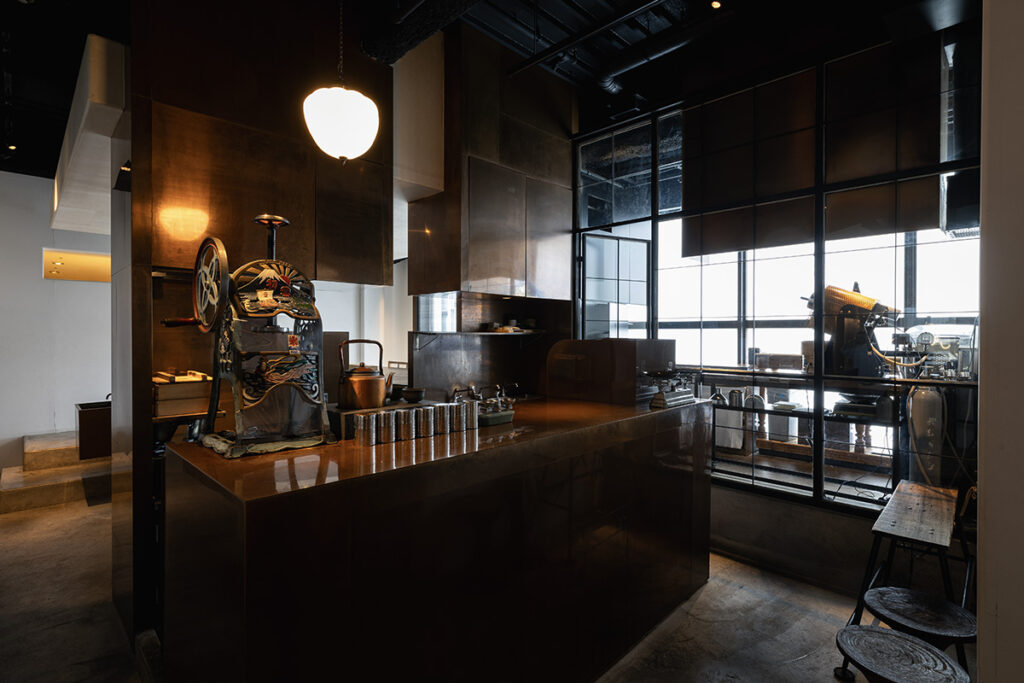
Sakurai Japanese Tea Experience is located in Minami-Aoyama. When it first opened in Nishi-Azabu 12 years ago, Tokyo was in the midst of the third-wave coffee boom, with coffee shops opening across the city. Through his work with the Japanese restaurant Yakumo Saryo and wagashi shop HIGASHIYA, Sakurai had begun to sense the decline of Japan’s tea industry.
At the same time, he saw untapped potential in Japanese tea. “Even when tea producers make excellent products, there is no outlet for them. Someone needed to take action,” he recalls. This thinking led to the creation of Sakurai Japanese Tea Experience.
The name reflects Sakurai’s desire to create a place dedicated to exploring and developing new ways to enjoy Japanese tea, while finding ways to increase its value. The Japanese name, 櫻井焙茶研究所 (Sakurai Hōjicha Kenkyūjo), roughly translates as Sakurai Hōjicha Research Institute, reflecting its roots in tea roasting and its philosophy of continually exploring new possibilities for Japanese tea.
“We’re not simply carrying on the traditions of tea. Through approaches such as roasting, blending and tea cocktails, we can explore new ways to bring out the appeal of Japanese tea and present it in forms that suit contemporary lifestyles. We chose the name ‘Research Institute’ rather than ‘Tea House’ because it reflects our commitment to continually exploring new possibilities.”
Where Mindfulness Meets the Five Elements
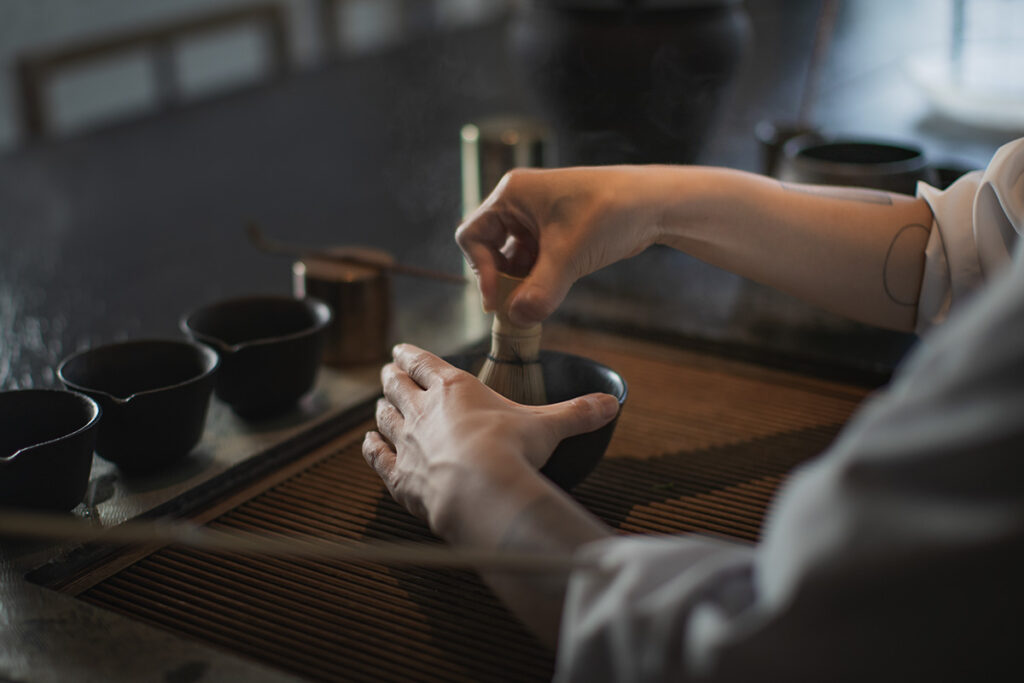
At a time when interest in mindfulness is growing around the world, Sakurai Japanese Tea Experience offers something akin to meditation. By focusing on the movements involved in preparing tea, the sound of the water, the rising aromas and the feel of the vessels, the shallow breathing brought on by the noise and bustle of modern life naturally settles here.
Sakurai Japanese Tea Experience embraces the idea that tea is an elixir for health and wellbeing. This means caring for the mind as well as the body. Through a single serving of tea, the breath settles, tension eases and space opens up in the mind. Creating time to restore balance to both body and mind is what Sakurai sees as the role of tea today, and the way of experiencing Japanese tea that the Research Institute continues to explore.
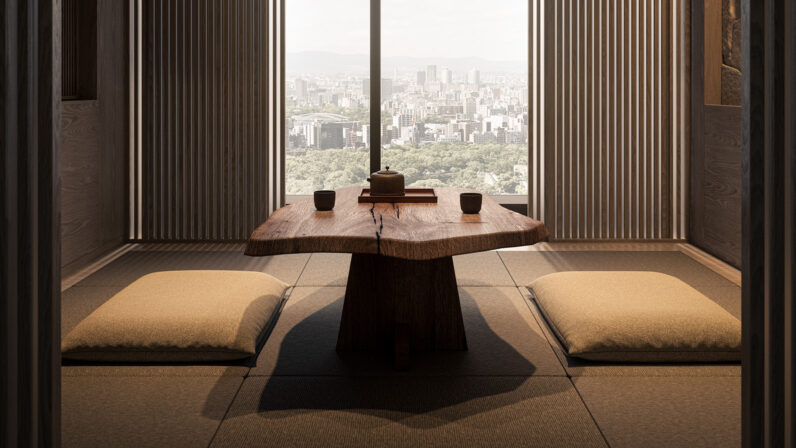
The interior is a refined space that seems to embody this philosophy. A narrow passage leads to the tea room, with a single step underfoot. The design evokes the nijiriguchi, the small, low entrance traditionally found in Japanese tea rooms. It encourages visitors to shift their awareness from everyday life to something more contemplative, creating a gentle sense of anticipation as they prepare to engage with the tea.
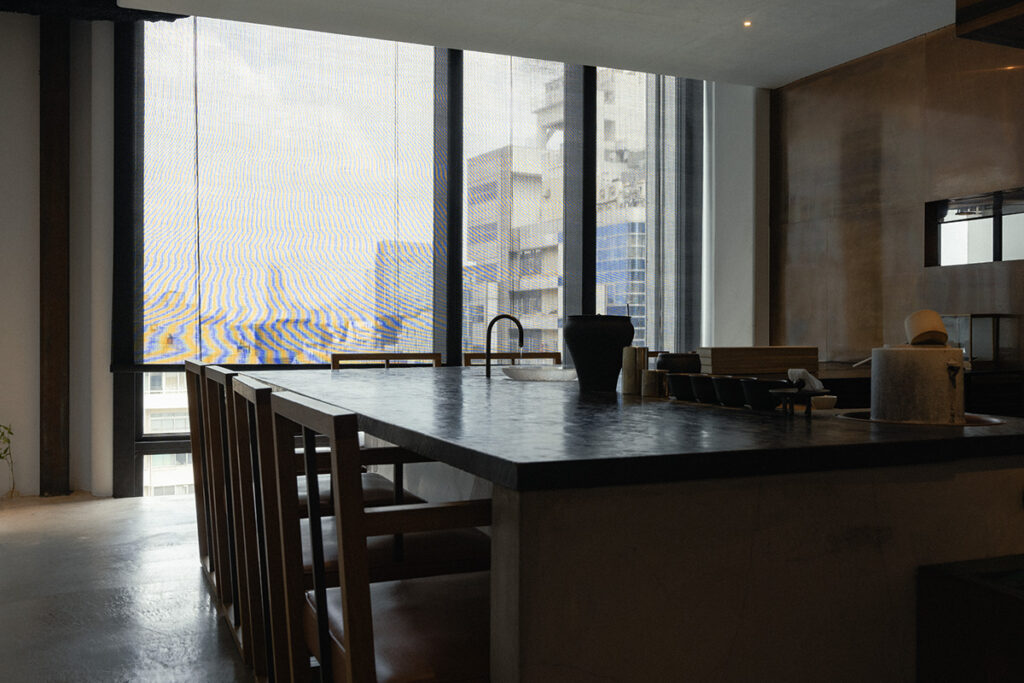
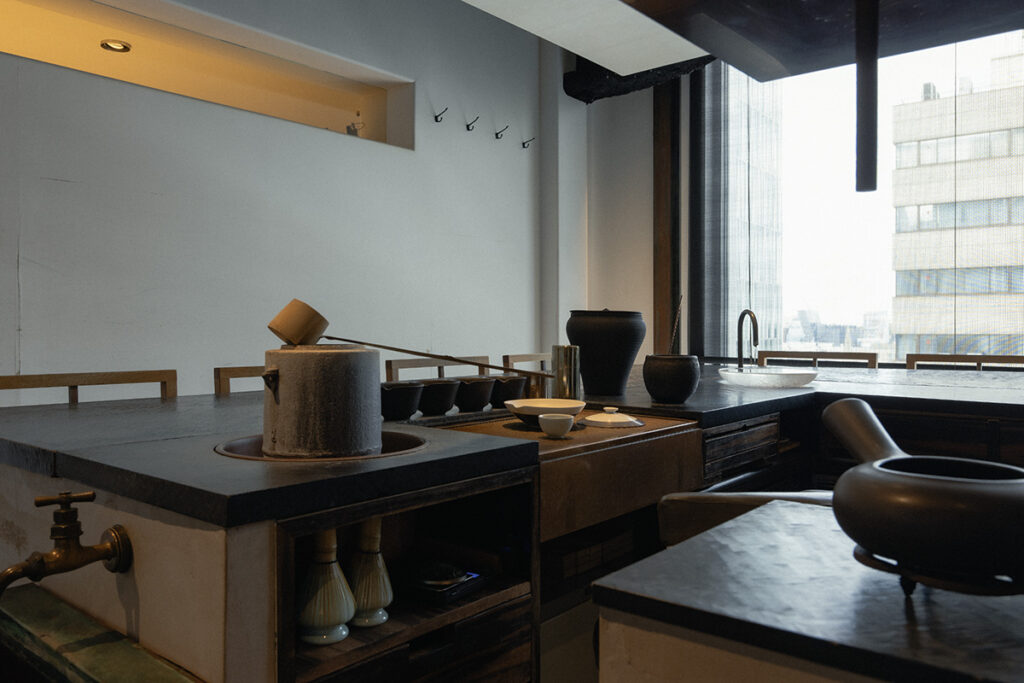
The counter is arranged with seats side by side, allowing guests to watch the tea being prepared right in front of them.
The counter has just eight seats. It incorporates elements of a Chinese tea tray and a bar counter, while adopting the ryūreishiki style of tea preparation, in which tea is prepared while seated. Traditional tea ceremony movements are respected, while the design also pursues a functional beauty suited to modern life.
The space is also shaped by the philosophy of the Five Elements, which describes the composition of all things. The sound of flowing water, the flickering fire beneath the kettle, the natural beauty of wood, tea vessels that carry the warmth of earth, and copper walls that reveal character that develops over time . With wood, fire, earth, metal and water brought into harmony, every element of the space becomes part of the tea experience, engaging the senses beyond taste alone.
From Gyokuro to Tea Cocktails
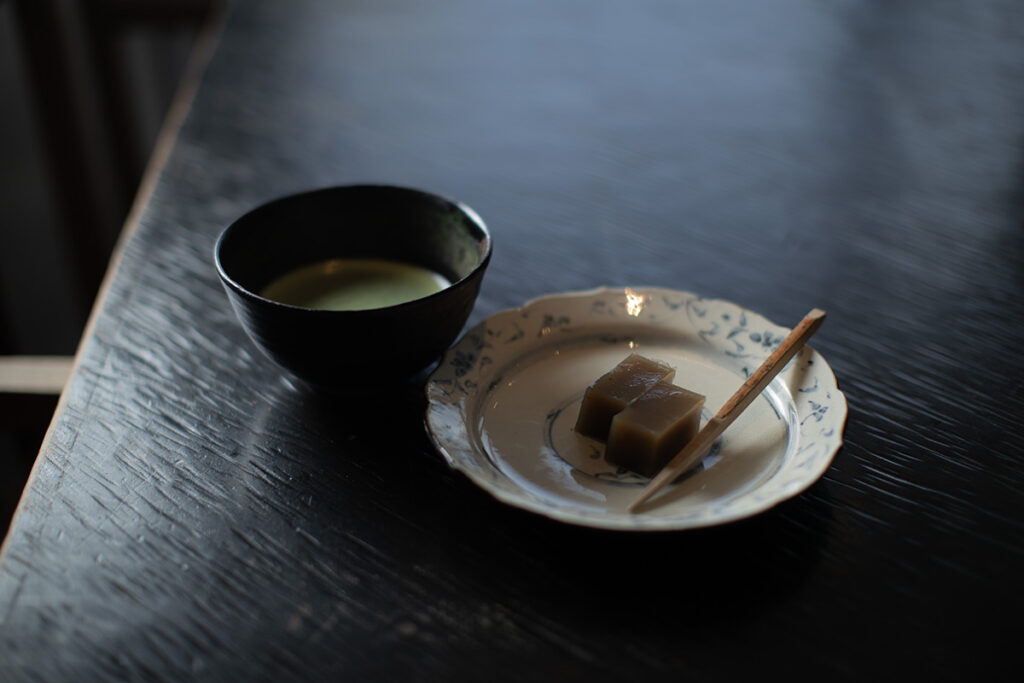
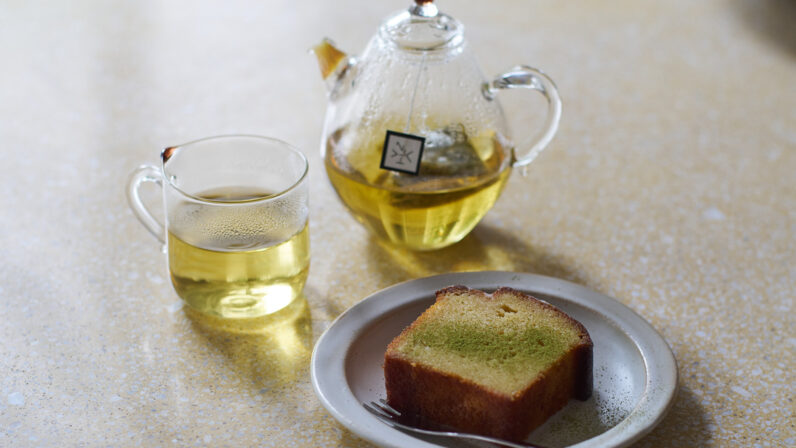
Matcha and wagashi. Guests can choose from several varieties of wagashi.
Sakurai Japanese Tea Experience isn’t about turning tea into something overly precious or elaborate. Instead, it brings together taste, aroma, sound, the feel of the teaware, the surrounding space and the movements involved in preparing the tea. By drawing out what makes each tea special, the experience invites guests to appreciate it with all five senses.
Tea is approached in three ways: straight, blended and roasted. There is also chashu, a fusion of tea and alcohol. Together, these approaches highlight the many sides of Japanese tea, the changing seasons and the new possibilities that roasting can bring.
The seasonal course pairs gyokuro, blended tea, hojicha and matcha with wagashi, and guests can explore how the tea’s origin and roasting bring out different flavors and aromas, one cup at a time. In summer, teas are prepared using techniques such as ice brewing and carbonated extraction, then paired with seasonal fruits for a refreshing finish.
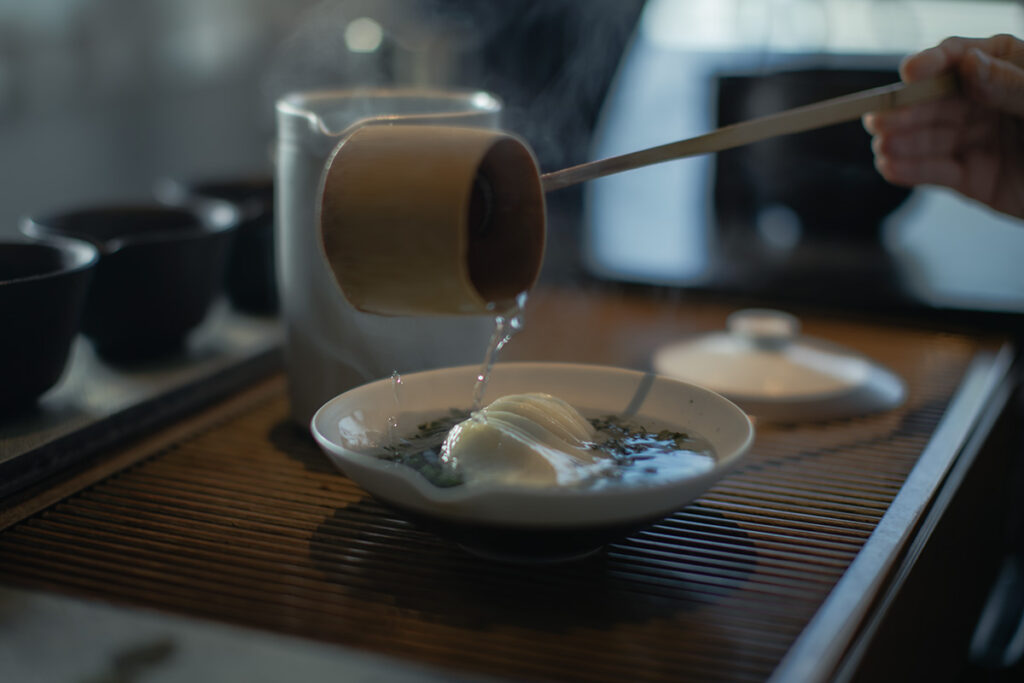
The seasonal blend uses peaches in summer, with hot water poured over the fruit to draw out its flavor.
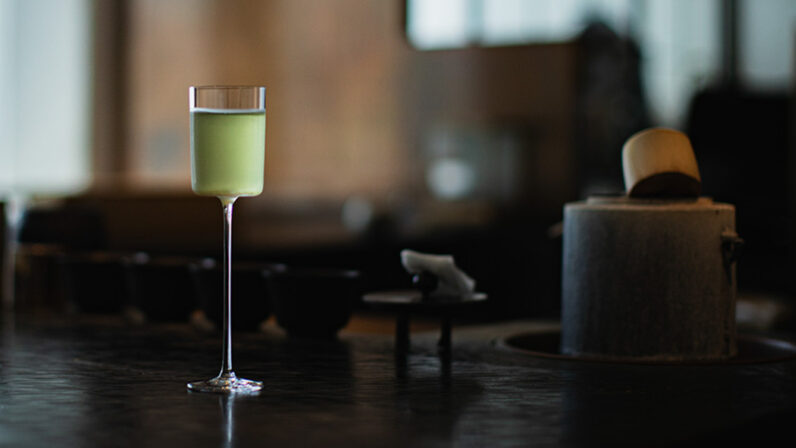
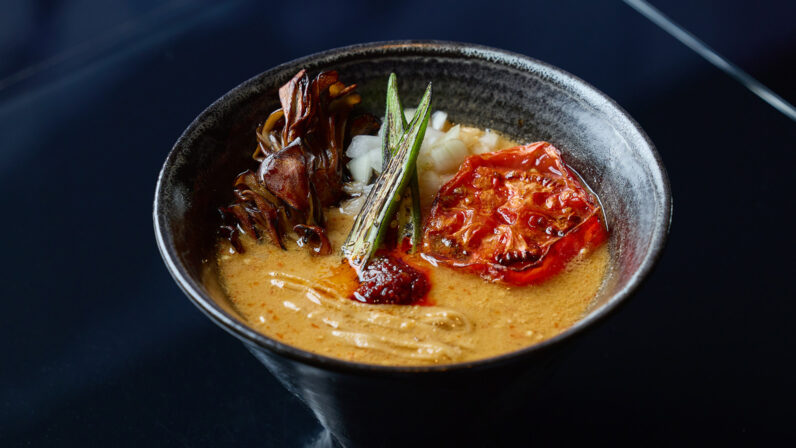
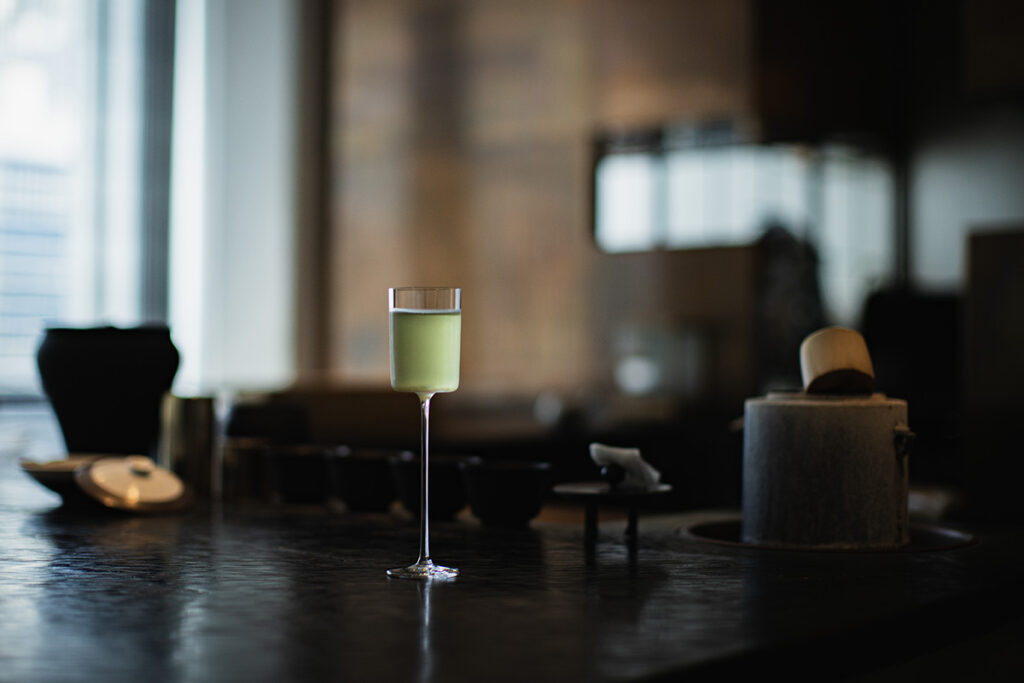
The concept behind the chashu served during the evening bar hours takes inspiration from Western spirits and gives them a distinctly Japanese character. Based on 18 different tea and spirit combinations, such as gin with sencha and rum with hojicha, the menu reimagines classic cocktails like the Martini and Negroni through a Japanese lens.
During our visit, we were served the seasonal course, featuring four teas: gyokuro, a peach blend, hojicha and matcha, accompanied by wagashi. As I watched the tea being prepared in the refined yet tranquil space, I felt a sense of calm wash over me, as though my thoughts were quietly settling and becoming clearer.
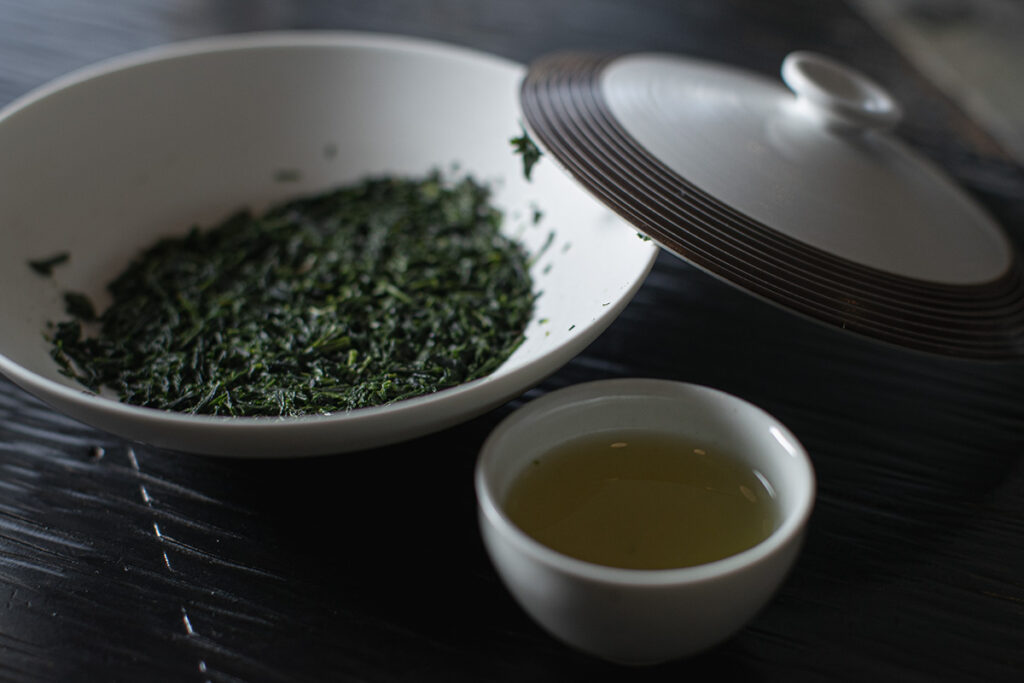
Gyokuro served in a small cup, offering a rich and full-bodied taste.
Looking ahead, Sakurai sees the continued preservation and creation of Japanese tea culture as the next step in the Research Institute’s journey. In a time when coffee shops are everywhere, he wants to find new ways to communicate the deeper spirit and many different qualities of tea to a modern audience. He believes that these efforts will help carry Japanese tea into the future.
This vision is also rooted in a deep respect for everyone who supports tea culture, from the producers who grow the leaves to the artisans who make the teaware and the craftsmen who create wagashi. As Sakurai puts it, he wants to “properly support the people involved in tea and pass it on to the next generation.”
By preserving tradition while continuing to explore new ways to enjoy tea, Sakurai Japanese Tea Experience will remain a gateway into the rich and fascinating world of Japanese tea. The new values and experiences created here have the potential to cross borders and generations, carrying the pride of Japanese culture into the future.
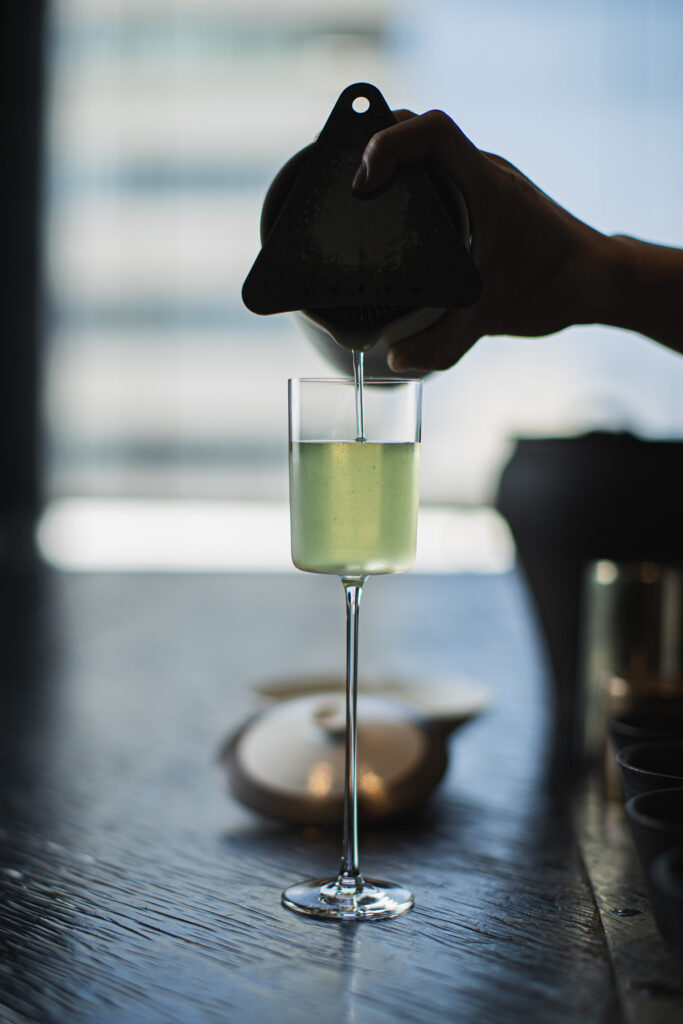
Sakurai Japanese Tea Experience
Address: Spiral 5F, 5-6-23 Minami-Aoyama, Minato-ku, Tokyo
Website: https://sakurai-tea.jp/
Instagram: @sakurai_tea_shop