The Edo-Tokyo Museum, which had been closed for four years since 2022 for extensive renovation work, reopened on March 31, 2026.
Since opening in March 1993, the Edo-Tokyo Museum has served as a place to revisit the history and culture of Edo and Tokyo while reflecting on the future of urban living. By combining life-size architectural reconstructions, meticulously detailed miniatures, and real historical artifacts, its exhibitions have long offered visitors an engaging and imaginative experience.
The recent renewal not only updates the aging infrastructure and improves usability, but also introduces new ideas that deepen the sense of immersion throughout the exhibitions.
Reimagining the Spatial Experience: An Approach That Takes You Back in Time
Approaching from the west side (JR Ryogoku Station), visitors pass through a newly installed gate inspired by a torii. Within it, animated scenes of people and passing landscapes unfold across a screen, creating a gradual transition back in time, from the present day to the Meiji era and finally to the Edo period, as one heads toward the entrance.
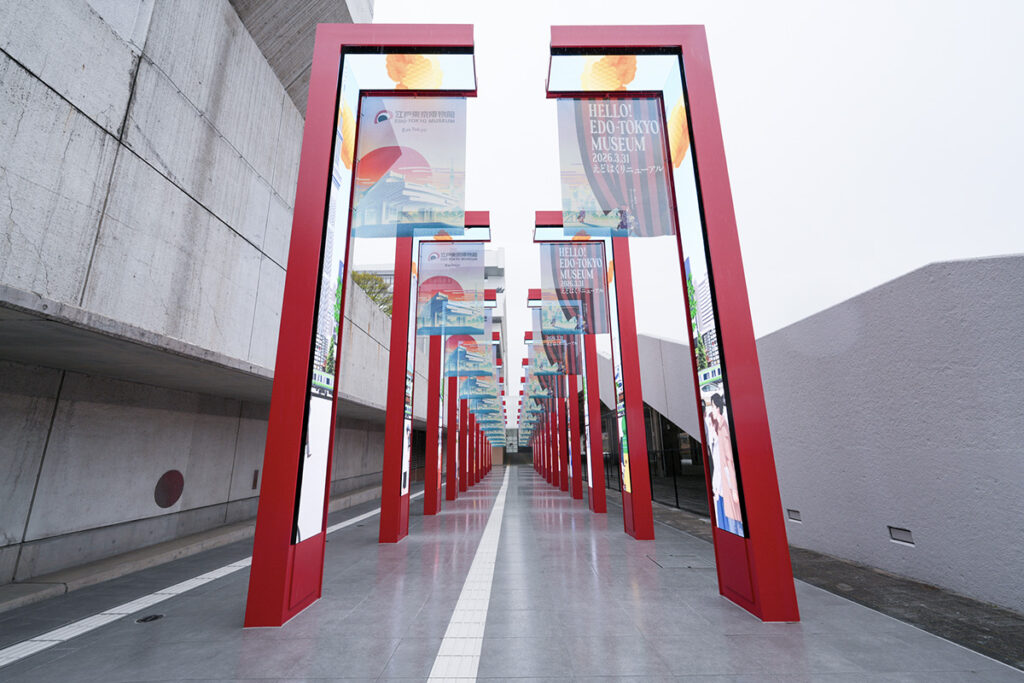
Photo credit: Edo-Tokyo Museum, Tokyo Metropolitan Government
In addition to the exhibits, elements of Japanese culture and craftsmanship have been incorporated throughout the space. On the walls of the first-floor entrance, visitors can see works by plaster artisan Naoki Kusumi, giving them an experience of living craftsmanship even before they reach the exhibition halls.
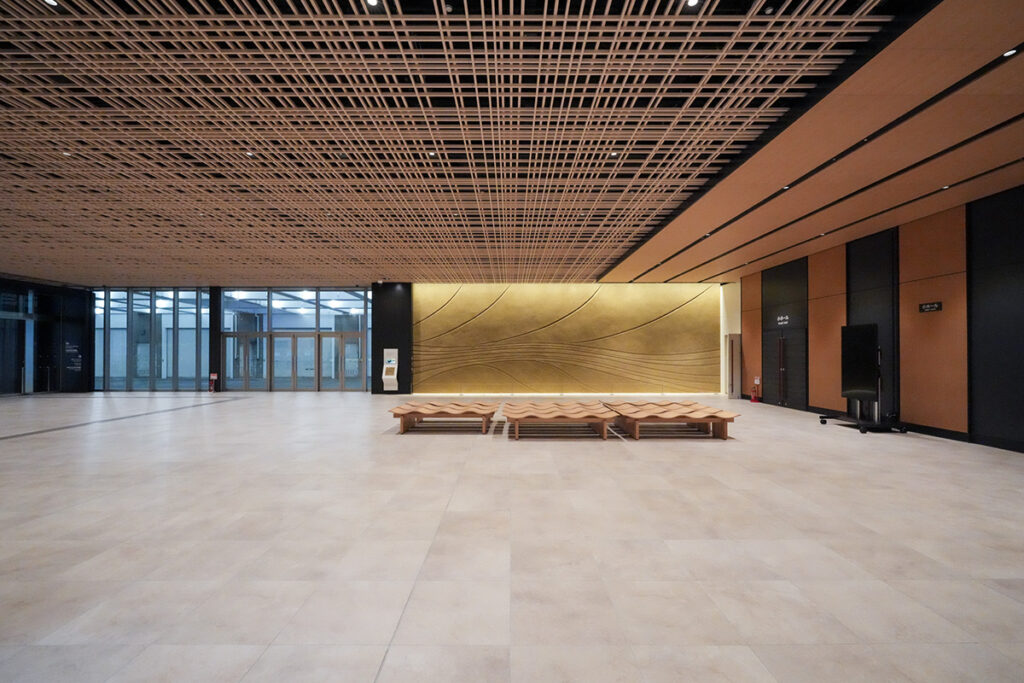
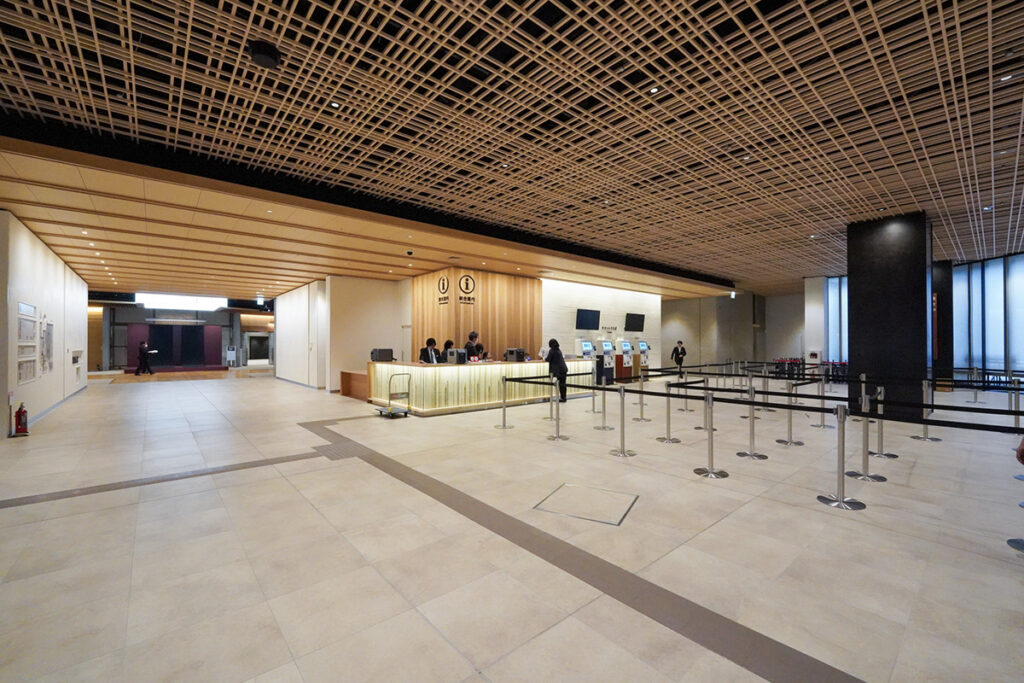
Photo credit: Edo-Tokyo Museum, Tokyo Metropolitan Government
1F Entrance
1st image: Front wall featuring a piece by Naoki Kusumi
2nd image: Ticket counter
Immersive Exhibits Through Visuals and Sensory Design
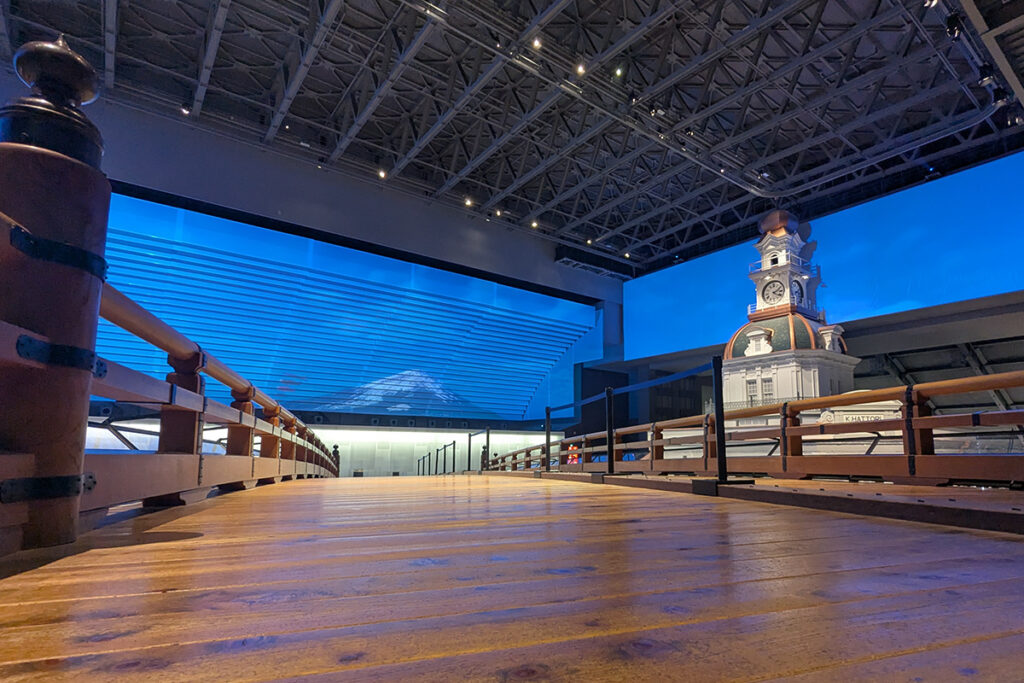
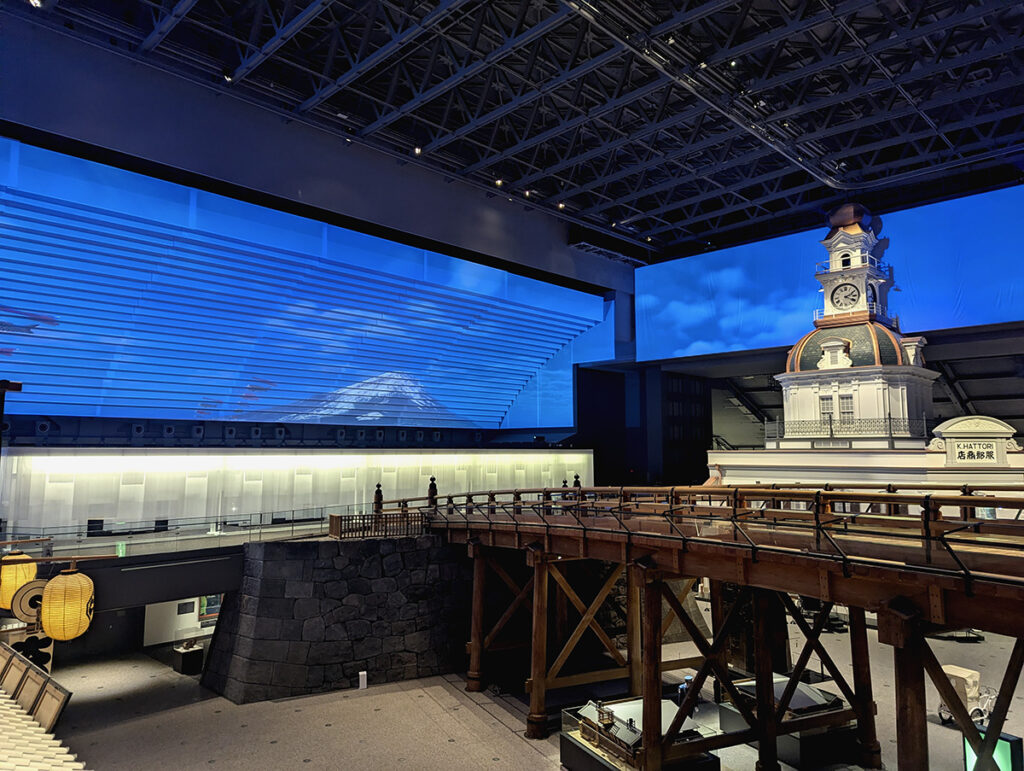
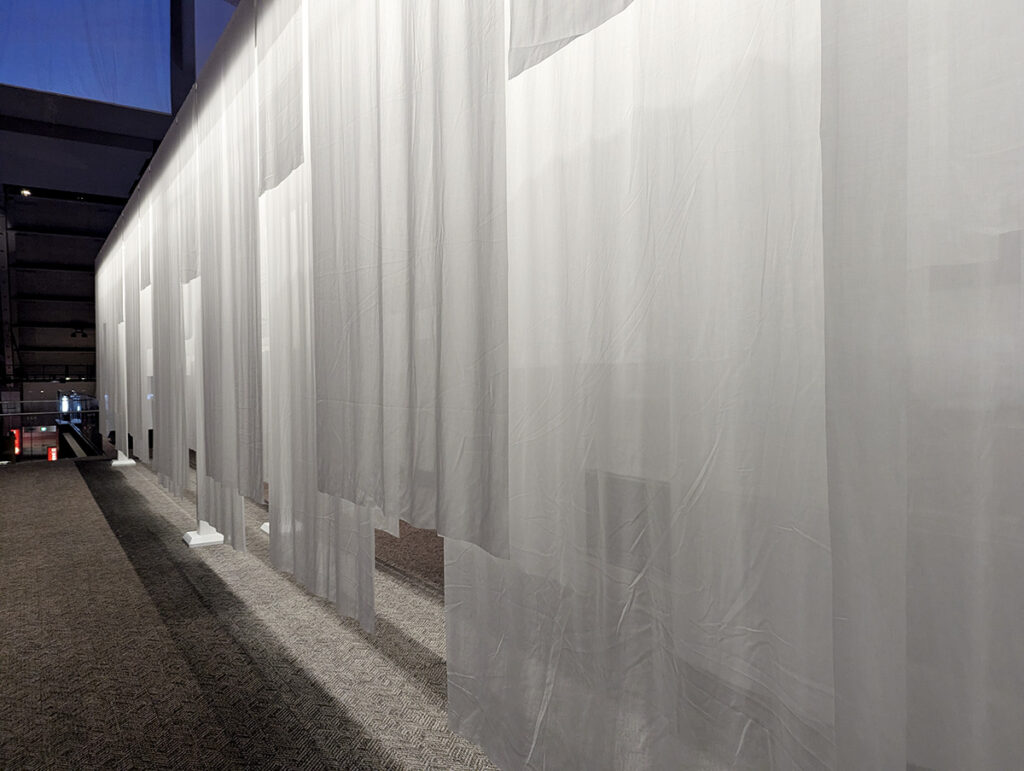
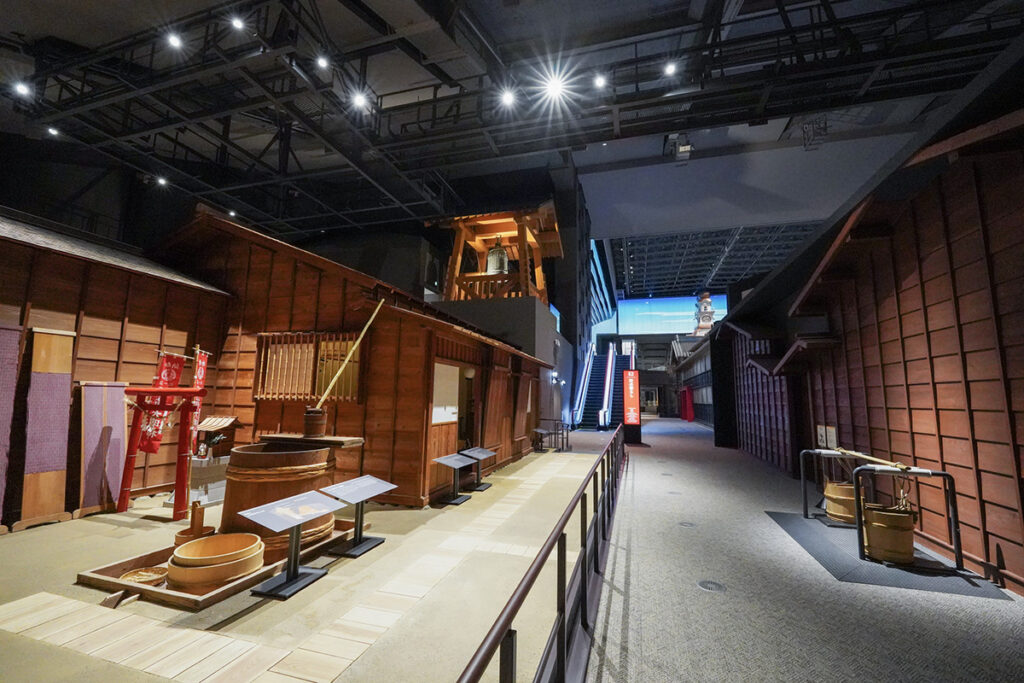
On the sixth floor, the permanent exhibition now features a massive screen near the ceiling, projecting the skies of both Edo and modern Tokyo. This makes the large-scale models feel like an integral part of the cityscape. A divider inspired by a traditional noren curtain at the end of a bridge subtly guides visitors’ senses, shifting them from the bustling streets of the outside world to the intimate interior of daily life.
In the Edo Zone, which explores daily life during the Edo period, visitors can now step inside buildings to fully appreciate their scale. A life-size model of the entrance to the Nakamura-za theater allows visitors to enter from the side, offering a closer look at the low ceiling and detailed construction from the inside.
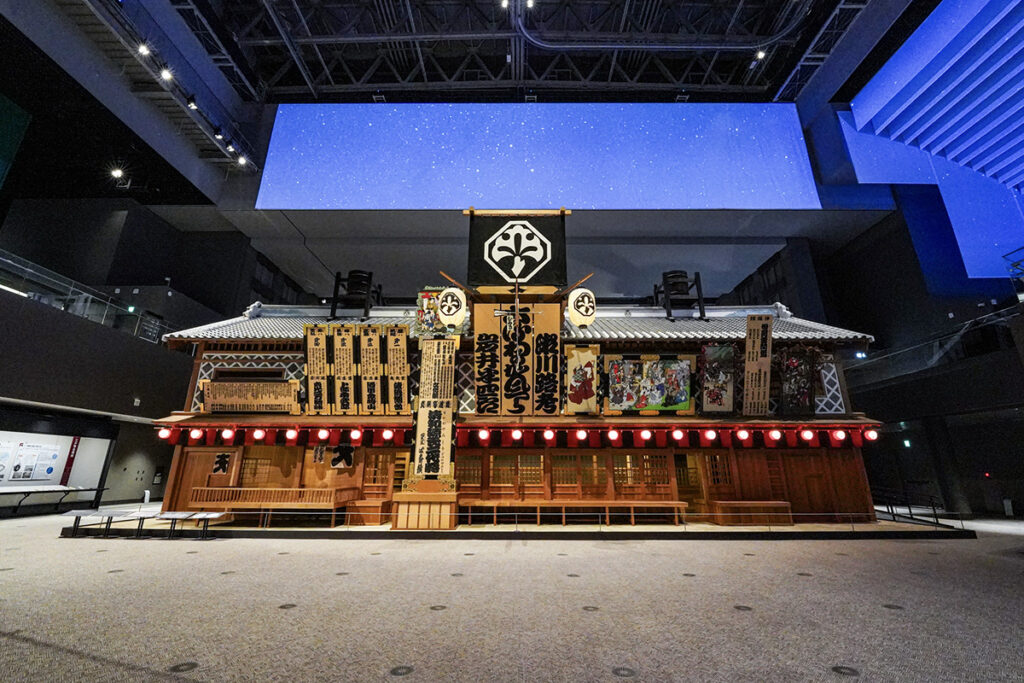
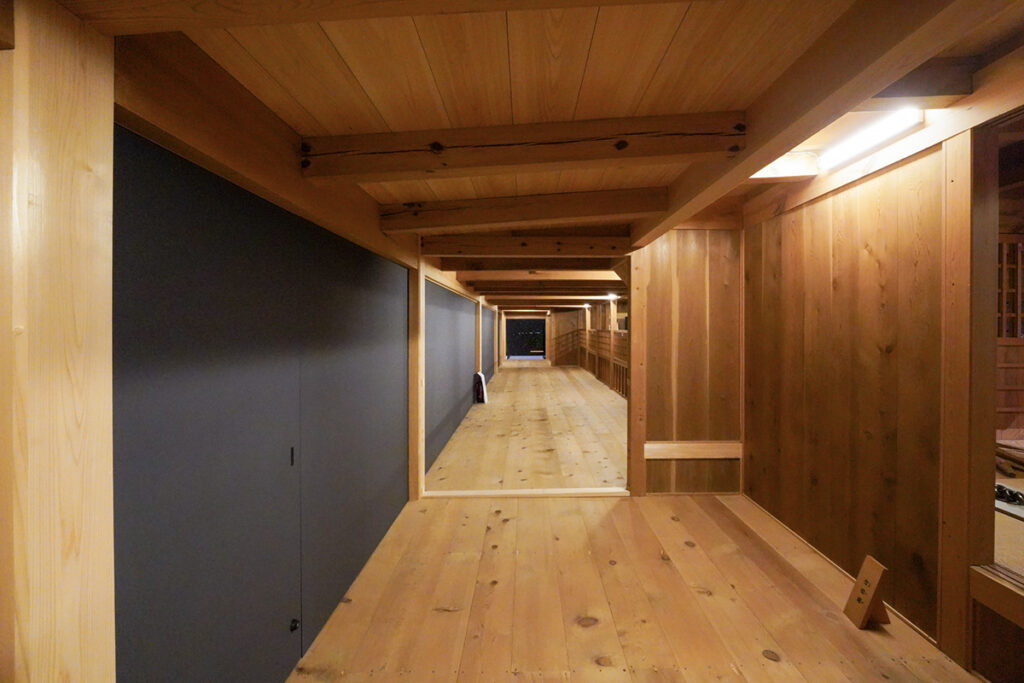
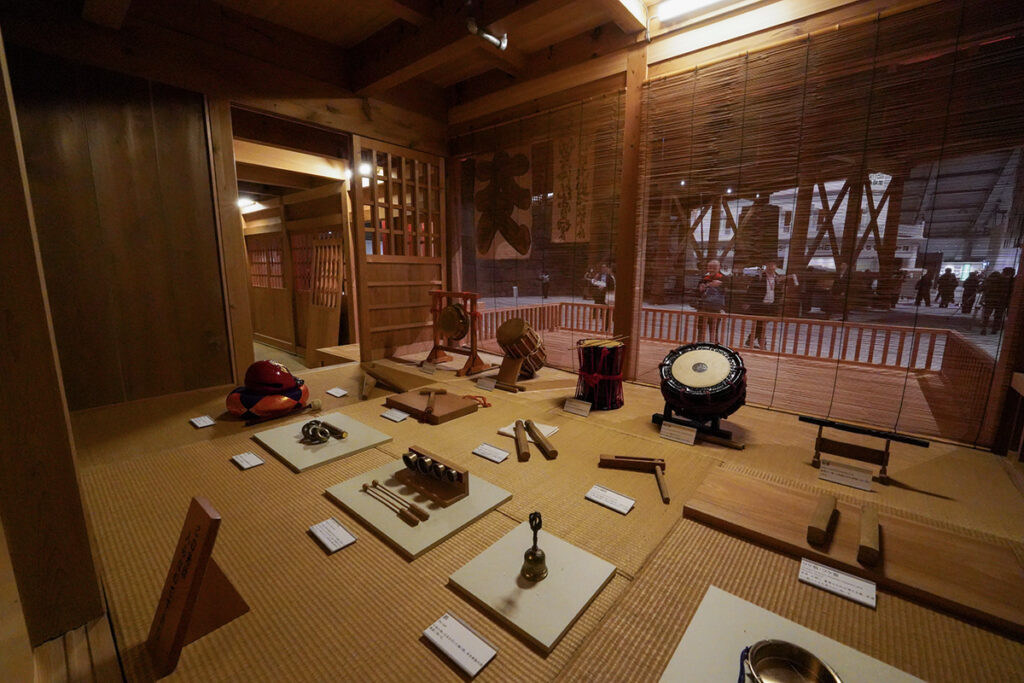
Photo credit: Edo-Tokyo Museum, Tokyo Metropolitan Government
The row houses, a staple of everyday life for commoners, have also been upgraded. The carpenter’s room, once only observable from outside, can now be entered, giving visitors a tangible sense of how people lived.
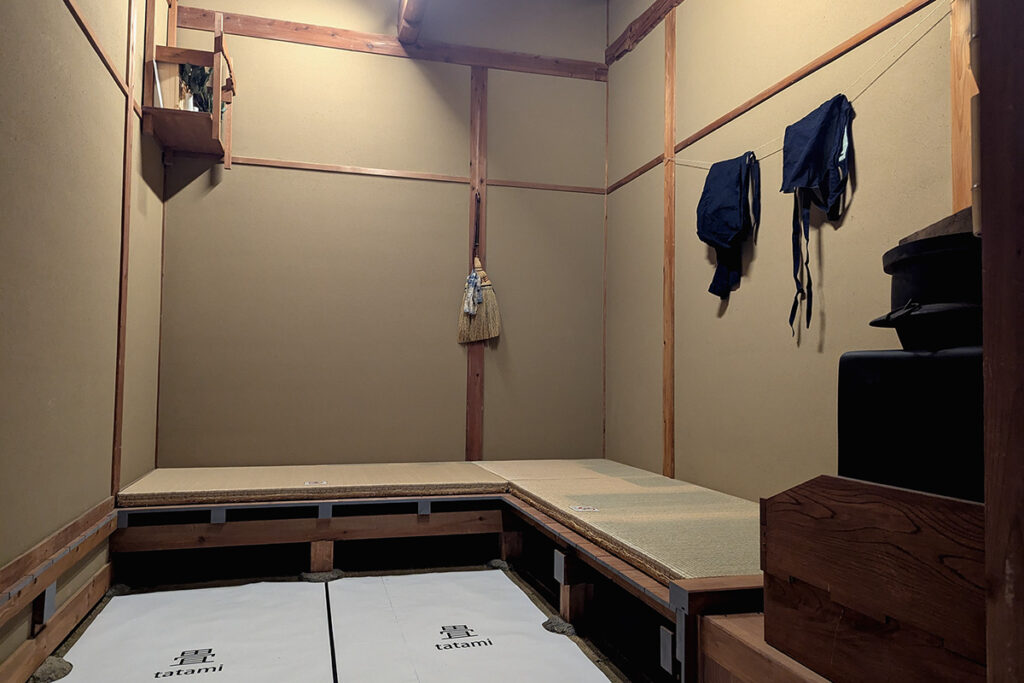
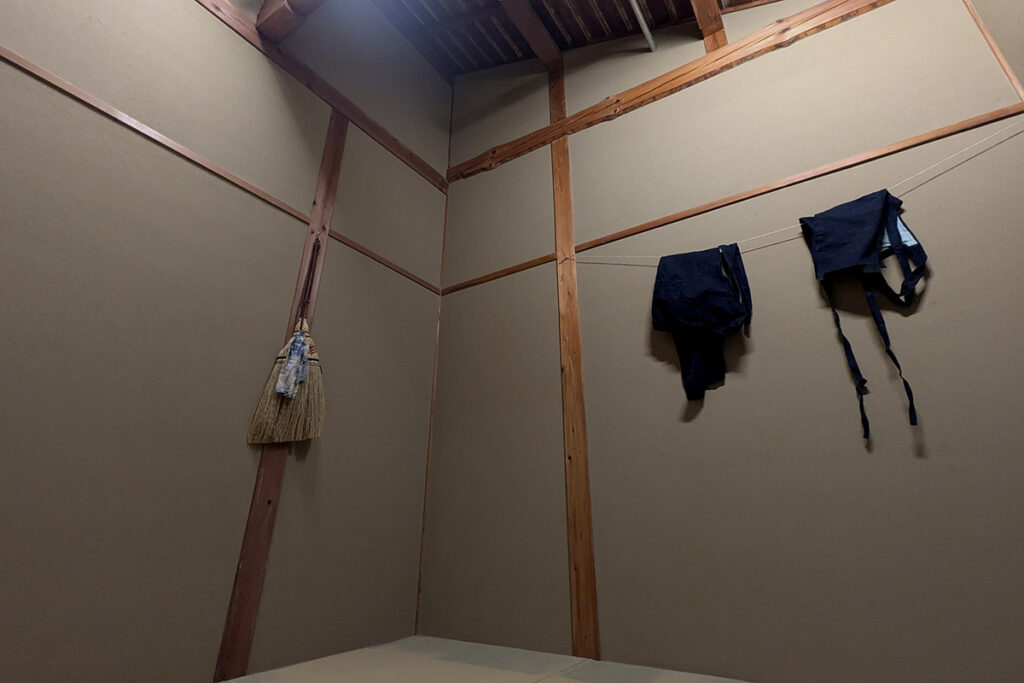
A cutaway section of the entryway and a two-tatami living space allows visitors to step inside. By crouching down and looking around, they can more vividly imagine life in a row house.
Photo credit: Edo-Tokyo Museum, Tokyo Metropolitan Government (Image1)
Striking New Additions in Large-Scale Models
In the Tokyo Zone, which explores culture from the Meiji period onward, three new large-scale models have been added. The first is the Hattori Clock Shop, a structure that commands attention even from the bridge. Formerly displayed as the Asano Shimbun building, the model has been revised to reflect the Hattori Clock Shop in accordance with historical records.
The Hattori Clock Shop is regarded as the origin of today’s Seiko Group. Although the building later took on a new form as the Wako building in Ginza, its clock tower remains a lasting symbol of the area.
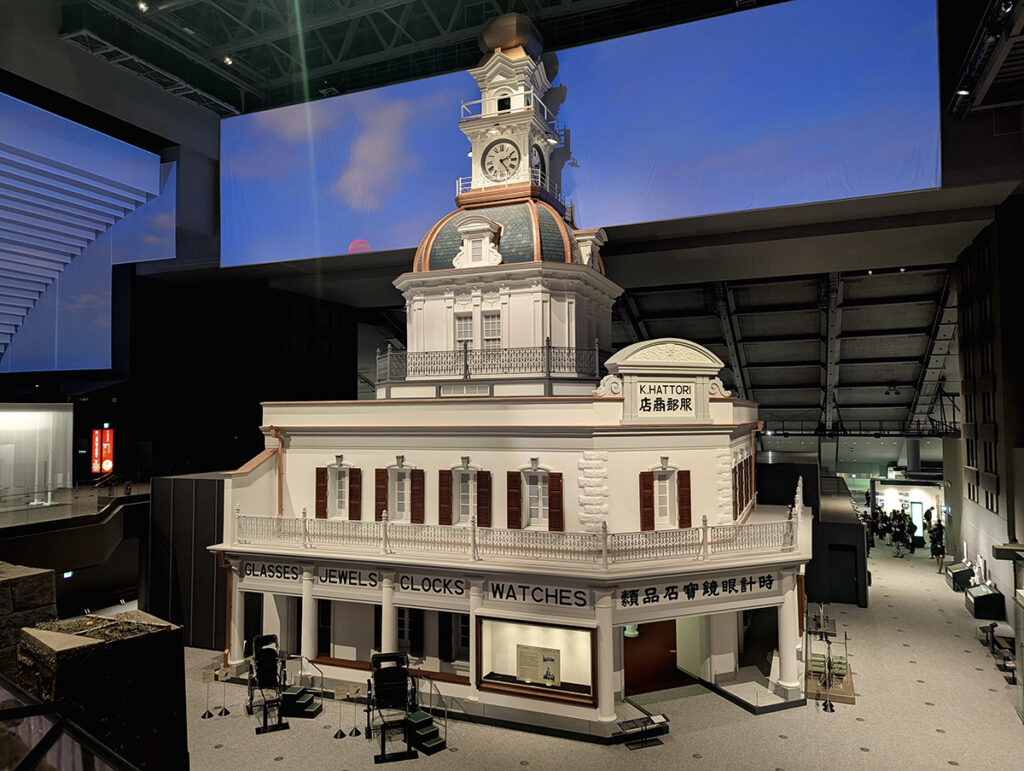
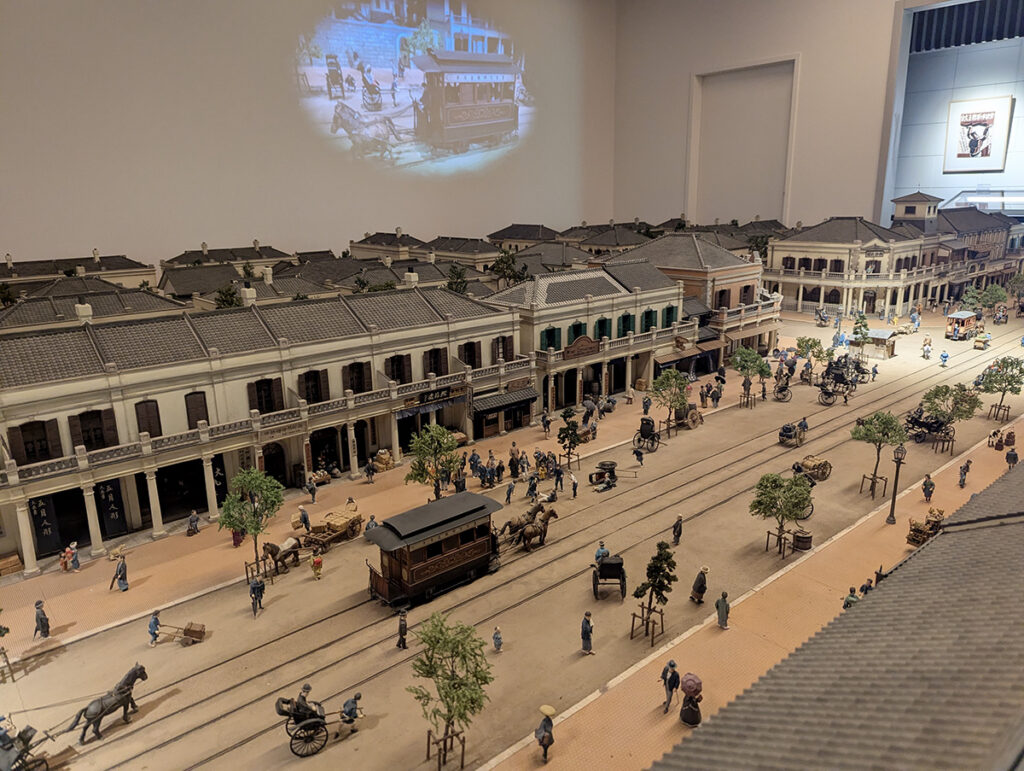
Inside the building, a finely detailed miniature recreates the streets of Ginza. Each roof tile has been carefully placed by hand. (Image 2)
Also newly added is a large-scale model of the Gate of Asakusa Hanayashiki, capturing the bustle of Tokyo in the Meiji period. Reconstructed to reflect the 1890s, it draws on photographs and archival materials to bring the atmosphere of the time to life.
Hanayashiki also functioned as a zoo in those days, and the signboards feature animals such as tigers, lions, and elephants. Passing through the gate, visitors are greeted by a caged tiger just inside.
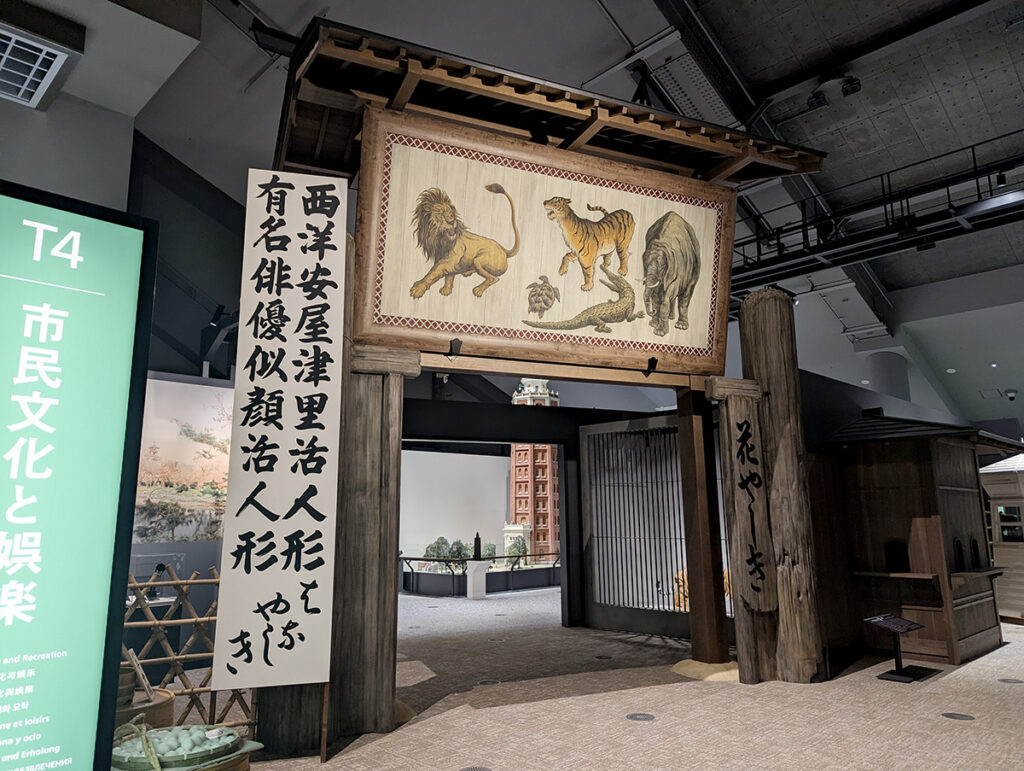
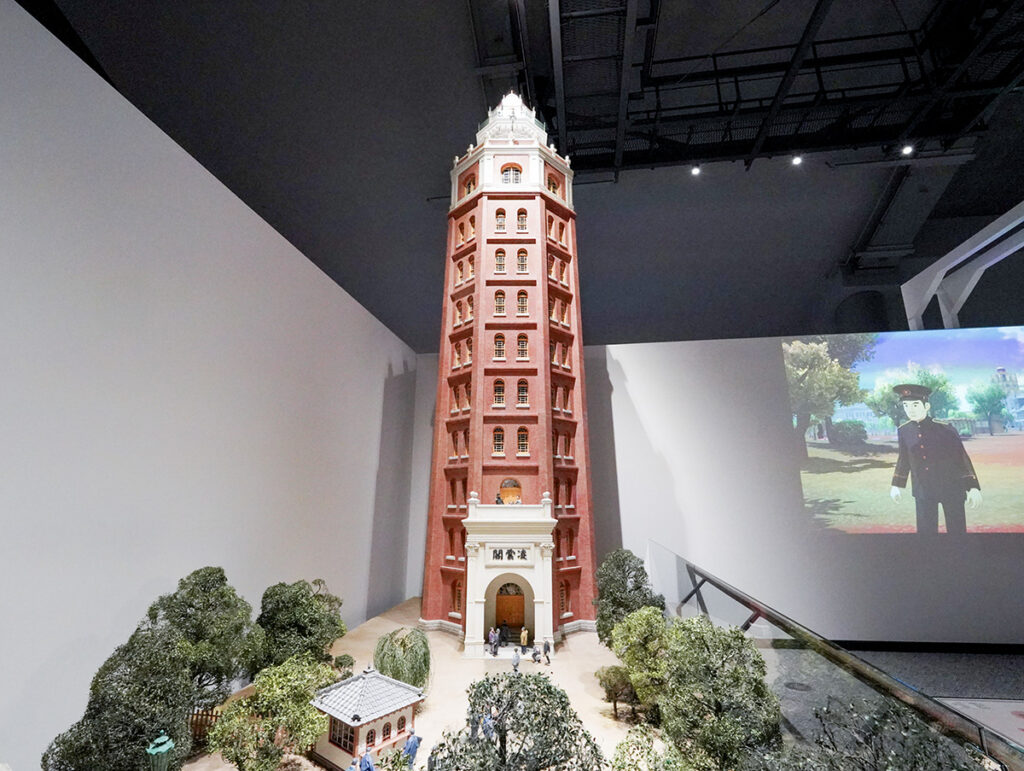
Image2 : The model of Ryōunkaku (Asakusa Twelve-Story Tower), completed in 1890 (Meiji 23), is also on display. At the time, it was Japan’s tallest building and featured the country’s first electric elevator.
Photo credit: Edo-Tokyo Museum, Tokyo Metropolitan Government
Moving forward in time, just past the area showcasing Taisho-era materials, a newly installed feature is the reconstructed model of the Dojunkai Daikanyama Apartments. The Dojunkai Apartments were reinforced concrete apartment complexes built by the Dojunkai Foundation across the region to aid recovery after the Great Kanto Earthquake. They were equipped with cutting-edge amenities of the time, including electricity, city gas, running water, and flush toilets.
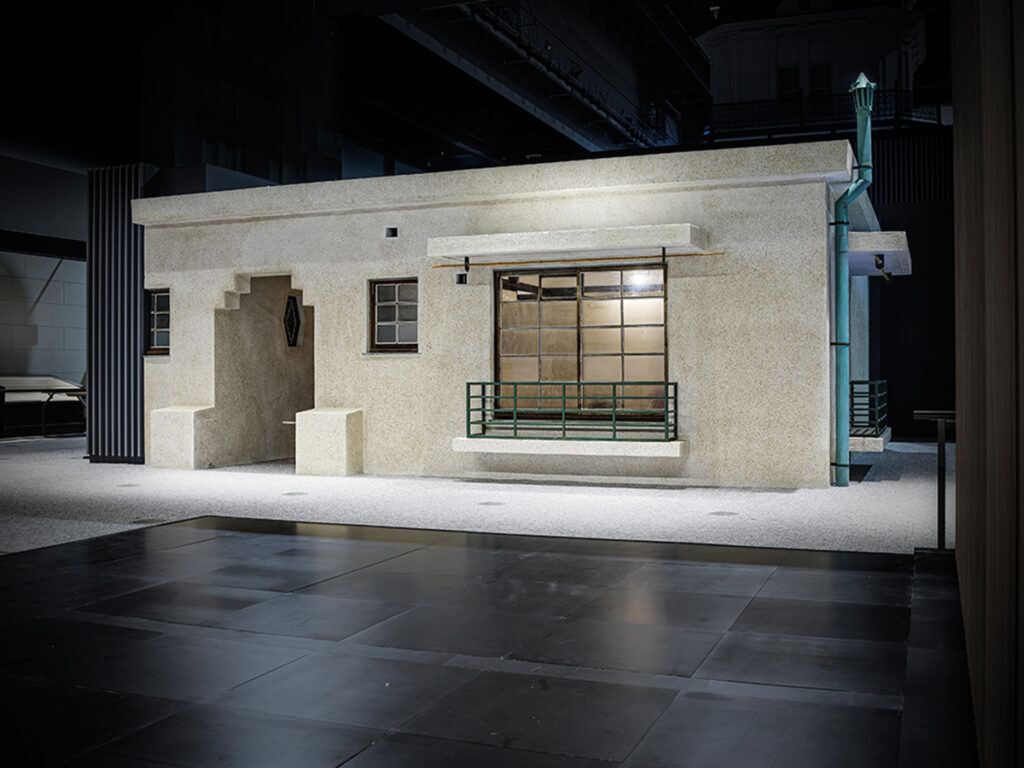
The model incorporates materials salvaged from the actual Dojunkai Apartments during their demolition.
Photo credit: Edo-Tokyo Museum, Tokyo Metropolitan Government
Even the existing large models have been refreshed, with display routes redesigned to let visitors explore every detail up close. The museum’s restaurant, café, and shop have also received a major makeover, making them worth a visit.
A Special Exhibition Commemorating the Renewal Opening
From March 31 to April 26, the Edo Zone hosts a special exhibition of Hiroshige Utagawa’s “One Hundred Famous Views of Edo” to celebrate the museum’s reopening. The complete set of 120 prints, known as Hiroshige’s final masterpiece, is arranged in a space that alone could hold visitors’ attention for several hours.
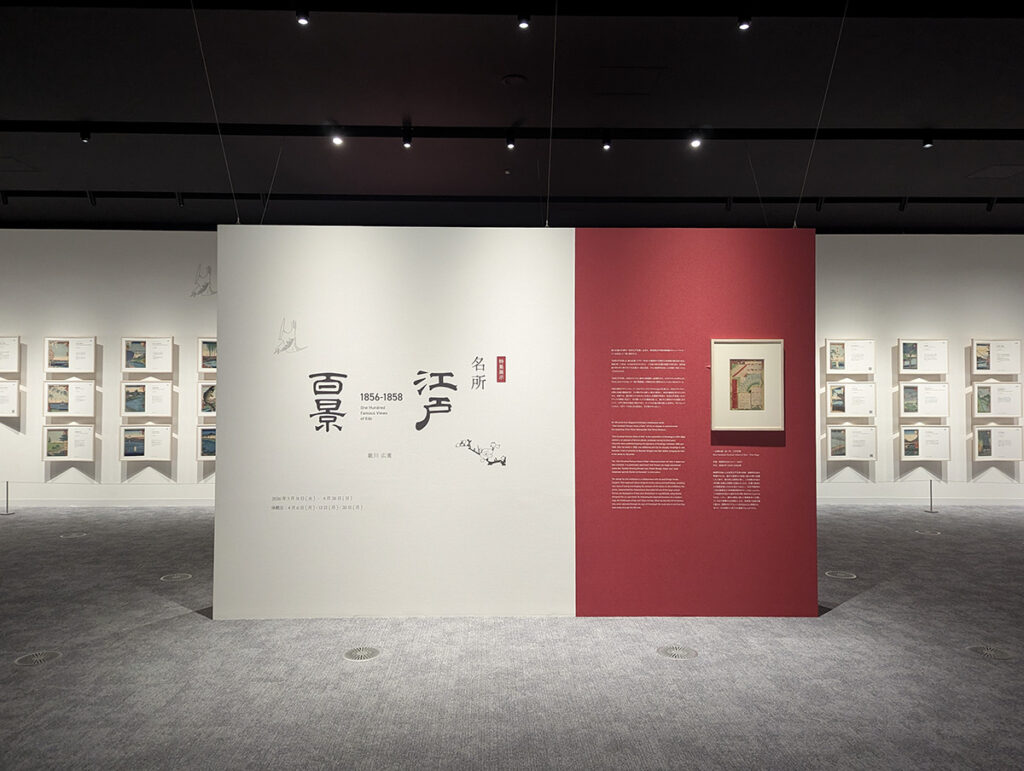
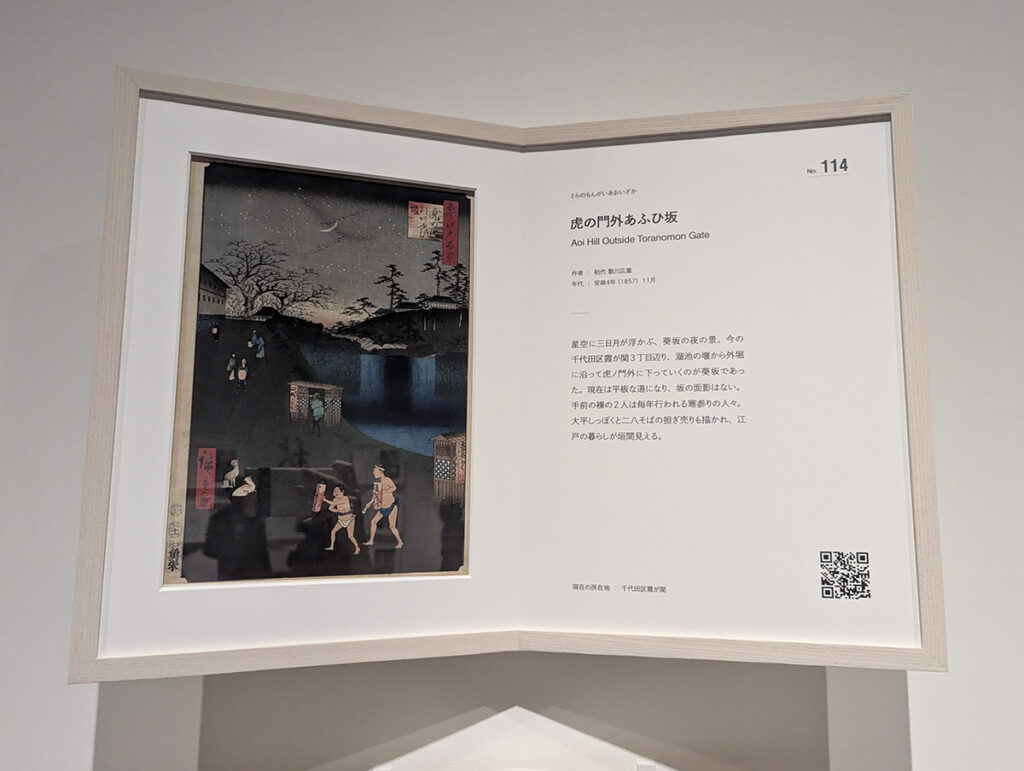
The way the exhibits are presented is just as engaging. Scan a QR code tucked into the corner of a book-like frame, and you can see what the locations in the artwork look like today.
From April 25 to May 24, the museum will host a special exhibition titled In Praise of Great Edo. Highlighting carefully chosen masterpieces and never-before-seen materials, the show dives into the charm and character of the city during Edo’s heyday.
With its updates and immersive displays, the Edo-Tokyo Museum has never been more captivating. To fully soak in both the permanent and special exhibitions, plan on spending an entire day exploring.
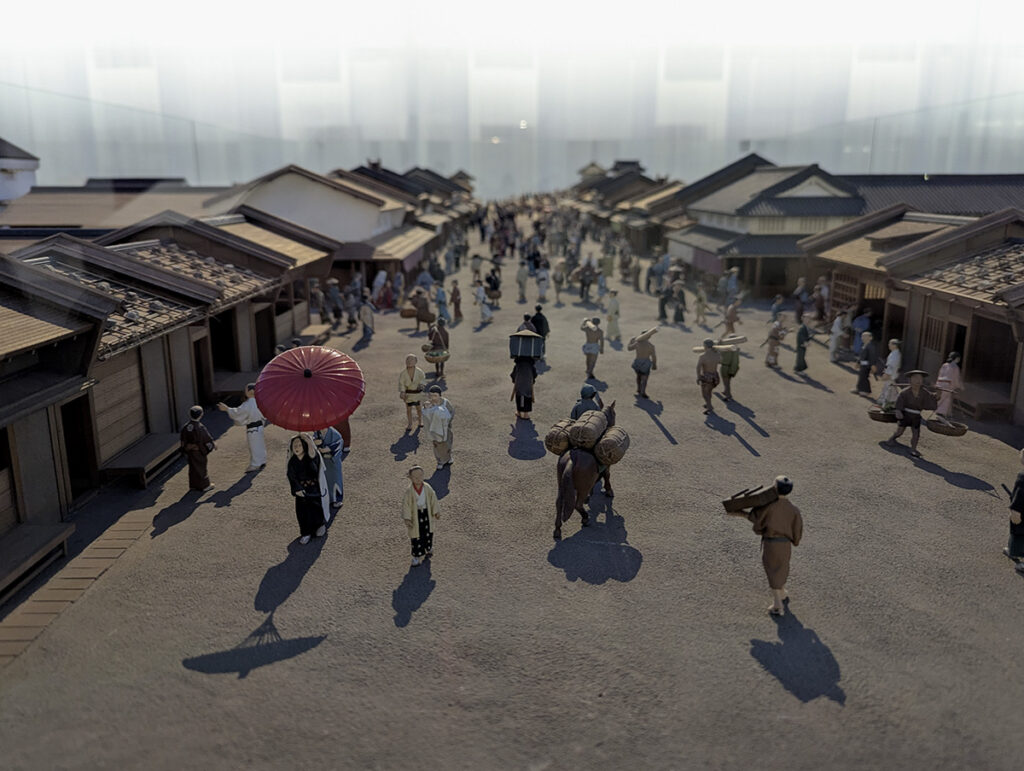
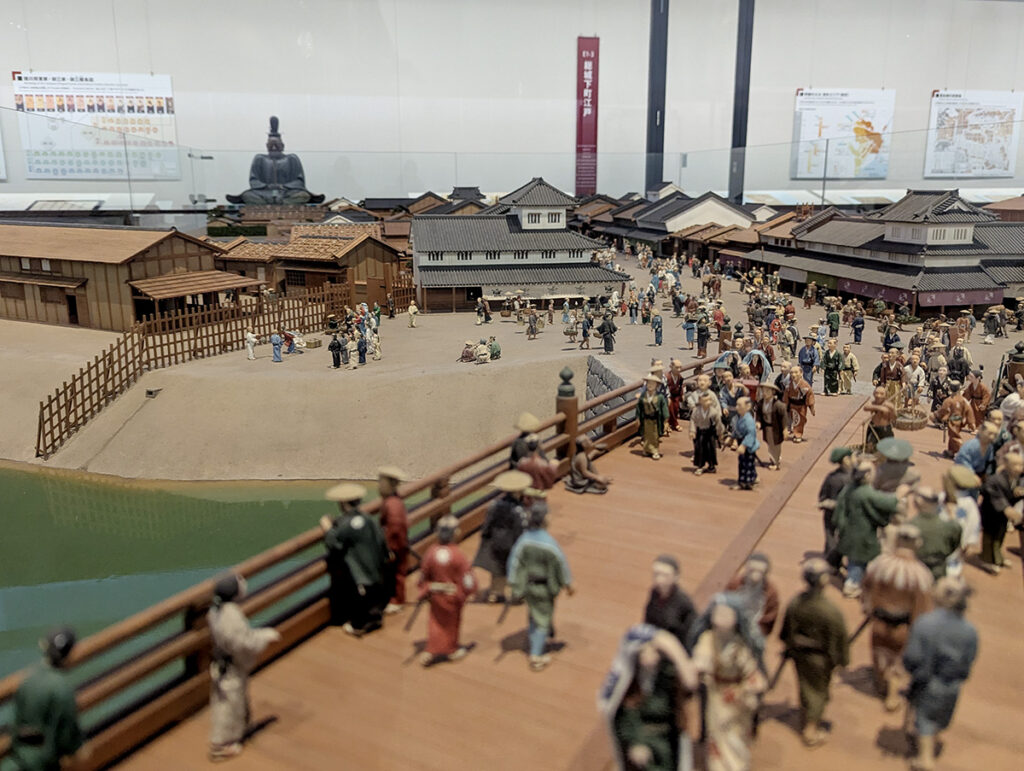
The tiny replicas of Edo’s streets are fun to look at and explore.
Tokyo Edo-Tokyo Museum
Address: 1-4-1 Yokoami, Sumida-ku, Tokyo 130-0015, Japan
Website: https://www.edo-tokyo-museum.or.jp/