Since ancient times, the Japanese have refined their sensibilities in tune with the changing seasons and natural surroundings, giving rise to a tradition of master craftsmanship. THE COVER NIPPON brings together products shaped by regional cultures and customs from across Japan, reinterpreted through the perspective of contemporary creators. The name “THE COVER” reflects the shop’s philosophy of treating every item, from fine crafts to casual goods, with the same care as a gift wrapped in traditional Japanese noshi paper, a symbol of thoughtfulness and good fortune.
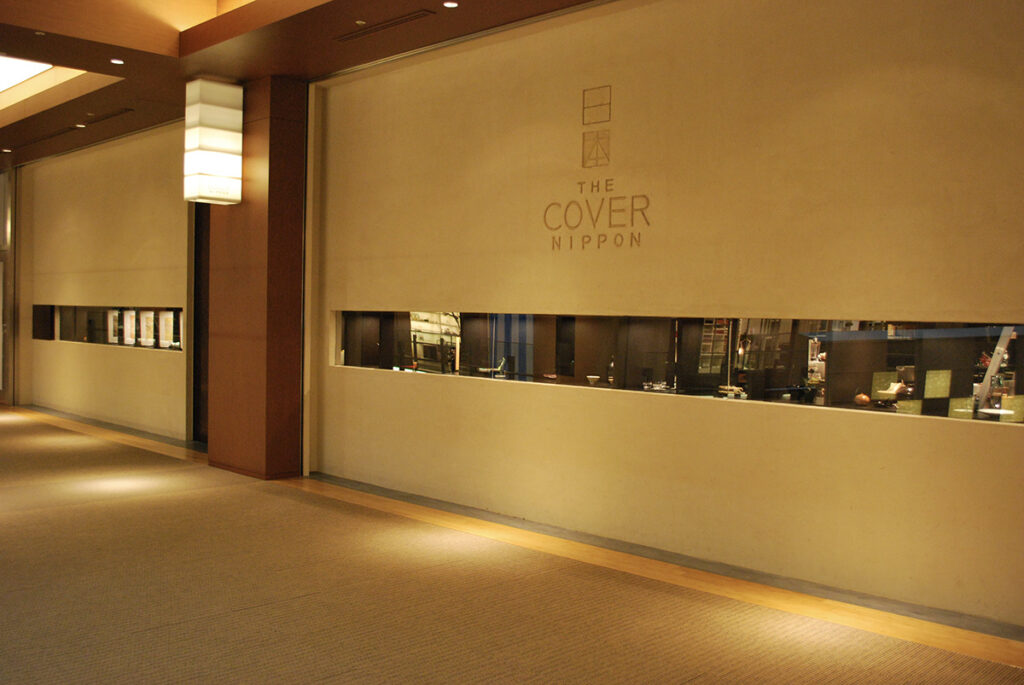
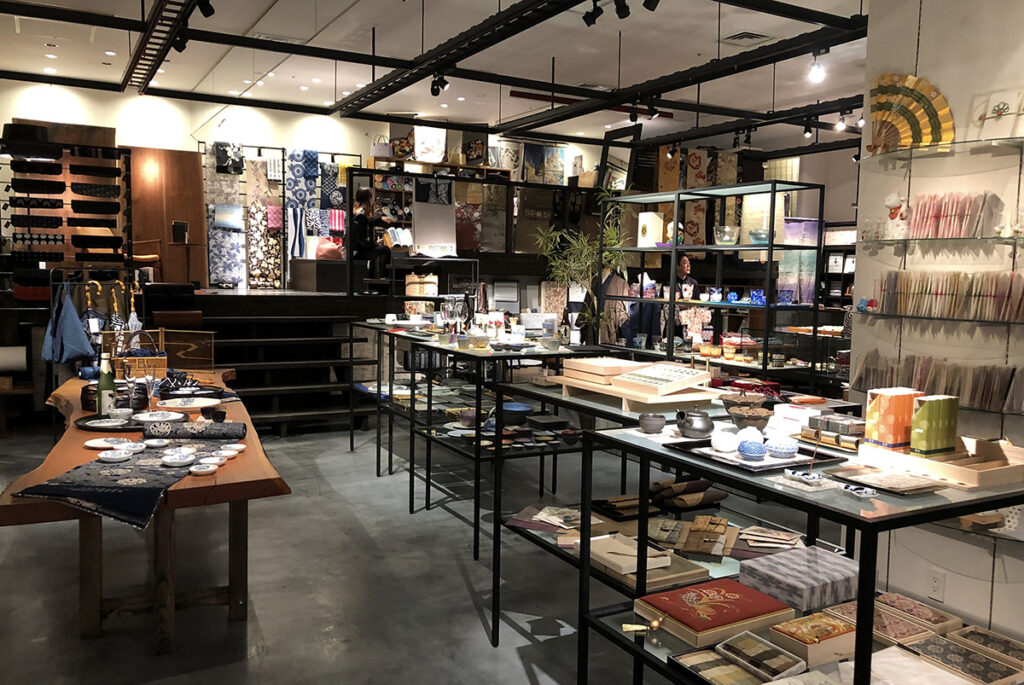
The shop opened alongside the launch of Roppongi’s Tokyo Midtown in 2007, offering a wide range of items related to clothing, food, and everyday living that reflect Japan’s enduring traditions.
The store’s original brand HARE is named after the Japanese spirit of cherishing life’s milestones and celebratory occasions known as hare no hi. Traditionally, formal attire worn on special occasions, known as haregi, feature auspicious motifs rooted in court dress, carrying wishes for good fortune. As these garments are worn less frequently these days, HARE was launched in 2025 to reinterpret the joy and significance of hare no hi for contemporary life.
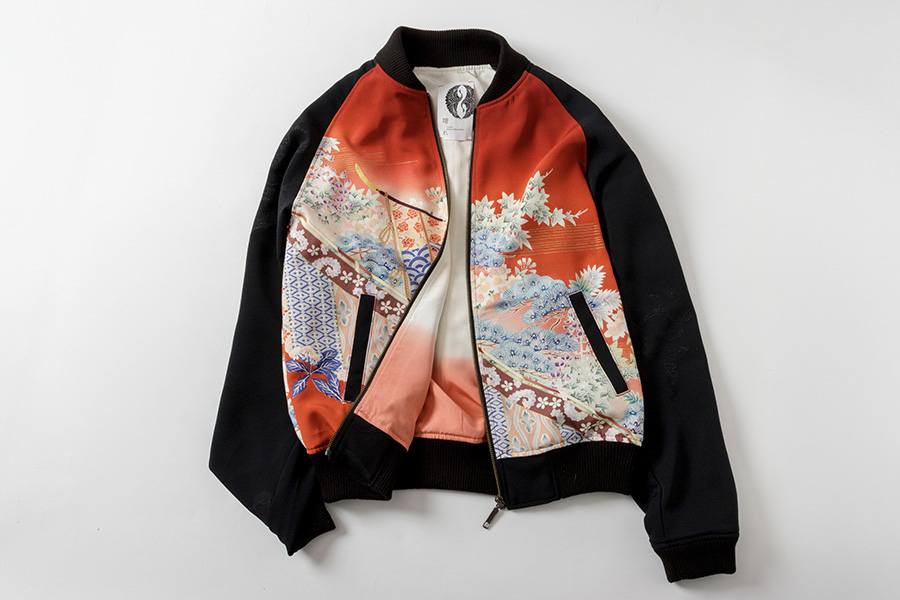
Embodying this idea is HARE’s new sukajan, the HAREJAN which incorporates traditional kimono motifs in a bold, vibrant way. Tracing the origins of the sukajan reveals that it was originally a Japanese-made souvenir jacket, with its history dating back to Yokosuka in the years following World War II. At the time, the city was home to a U.S. naval base, and American service members stationed there sought uniquely Japanese-style keepsakes to bring home. These early sukajan were custom-ordered from tailor shops, featuring embroidery on lustrous satin fabric depicting dragons, eagles, tigers, and iconic symbols such as Mount Fuji and cherry blossoms, along with emblems representing military units or bases.
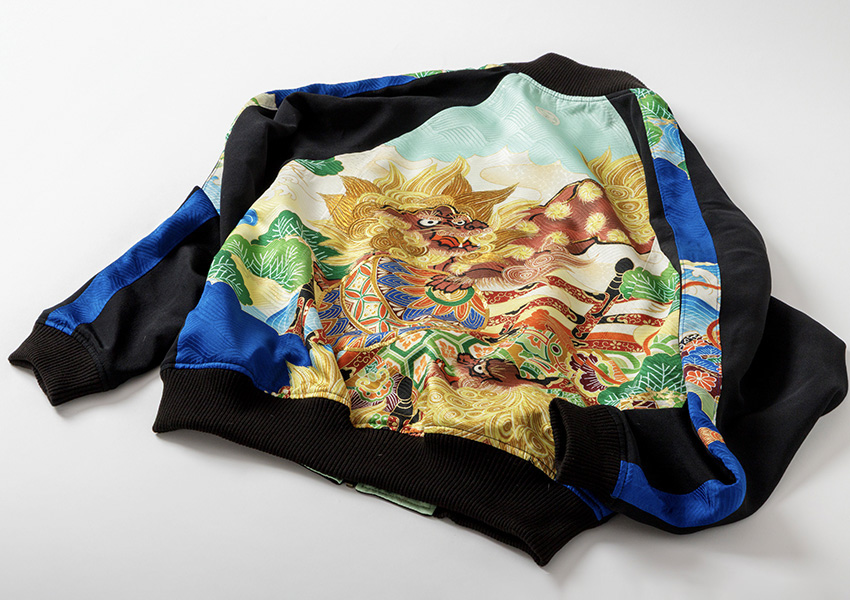
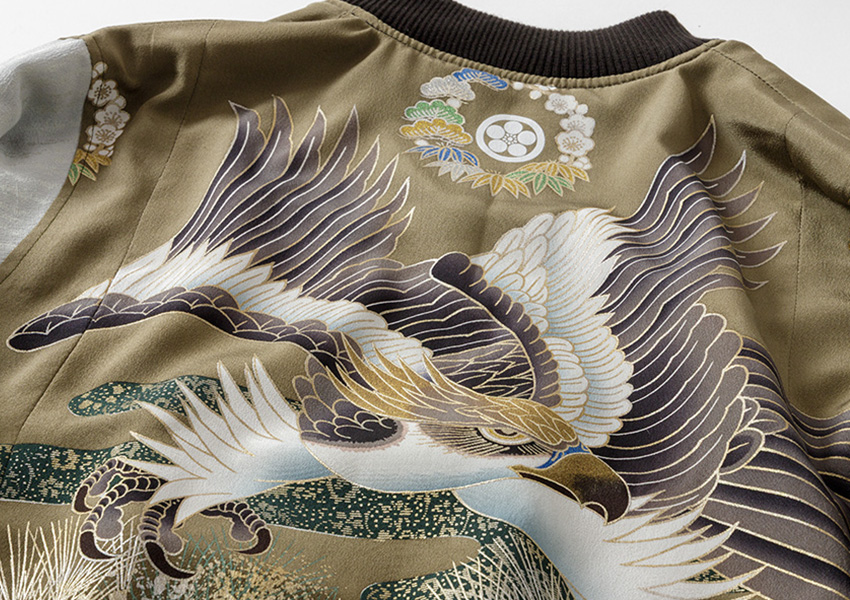
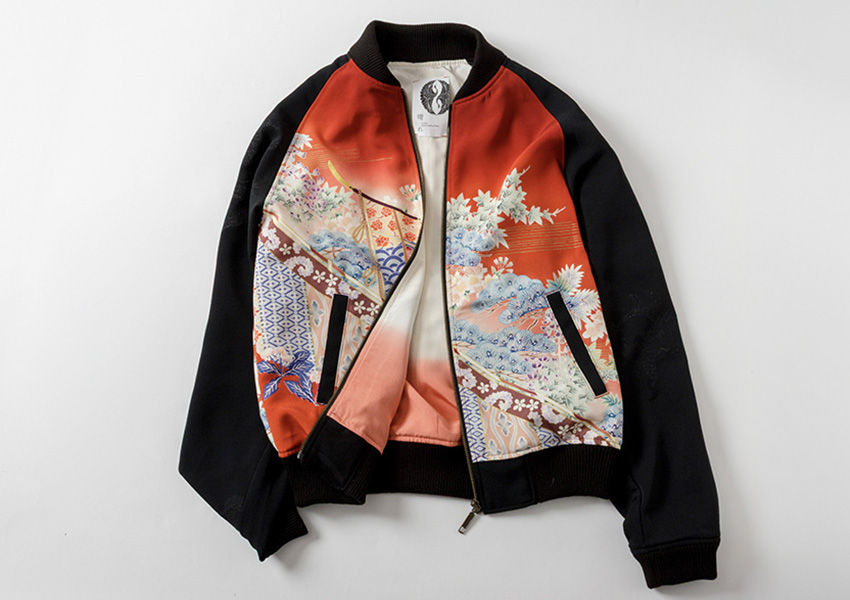
Image 1: HAREJAN ¥132,000 – Made from boys’ Shichi-Go-San kimono featuring a dynamic lion design.
Image 2: HAREJAN ¥165,000 – Utilizing Boys’ Shichi-Go-San celebration garments featuring striking, traditional motifs like dragons, tigers, and eagles.
Image 3: HAREJAN ¥JPY165,000 – A vibrant design made from a furisode featuring traditional court patterns.
Later, the jacket’s shape was modeled on a baseball jacket, familiar and approachable to Americans, while the embroidery was commissioned from skilled artisans in Kiryu and Ashikaga. Among U.S. service members, it became popular as a “souvenir jacket,” and by around the 1960s, it came to be known as the “sukajan.” Today, it continues to be loved overseas as a stylish, Japanese-inspired jacket. HAREJAN takes this iconic sukajan and distinctly incorporates vibrant kimono designs, giving it a fresh, celebratory flair.
Some of the kimonos used for HAREJAN are sourced from boys’ Shichi-Go-San celebration outfits. Unlike everyday kimonos, these garments primarily feature refined and traditional patterns. Inspired by the valor of samurai warriors, many also include bold, spirited motifs such as dragons, tigers, and eagles, which symbolize strength, success, and the prosperity of future generations. Vintage pieces in particular often showcase daring designs and richly detailed embroidery rarely seen in modern kimonos. It is these standout motifs that give the sukajan its signature, stylish appeal.
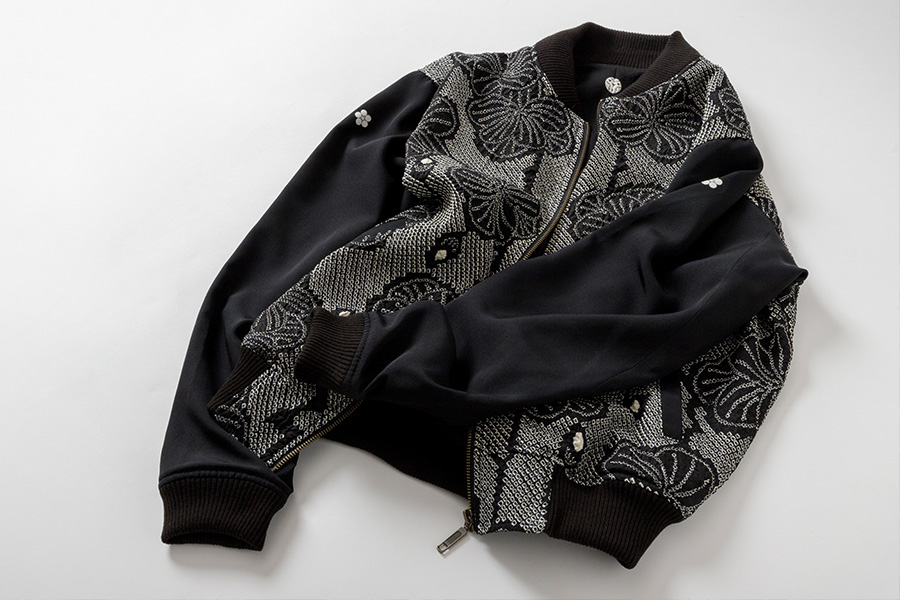
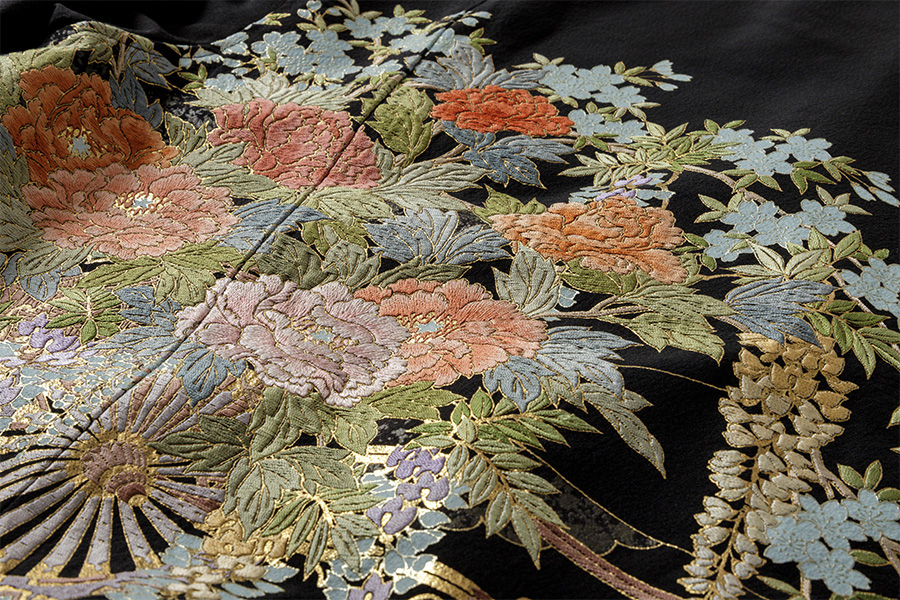
Image 1: HAREJAN JPY110,000 Made from a kimono using shibori dyeing, a traditional technique celebrated for its intricate and artistic detail.
Image 2: The back is adorned with a fully embroidered kurotomesode.
Another essential kimono used for HAREJAN is the furisode. Worn for coming-of-age ceremonies and other milestone celebrations, furisode often feature vibrant colors and symbolic patterns. By incorporating a carefully arranged furisode and its hakkake into HAREJAN, it becomes a festive piece with unisex appeal.
The kurotomesode, considered the most formal kimono and a symbol of family dignity, is another key material, lending HAREJAN an air of refined elegance. From lavishly ornate to delicately subtle, there is sure to be a piece to suit every discerning eye.
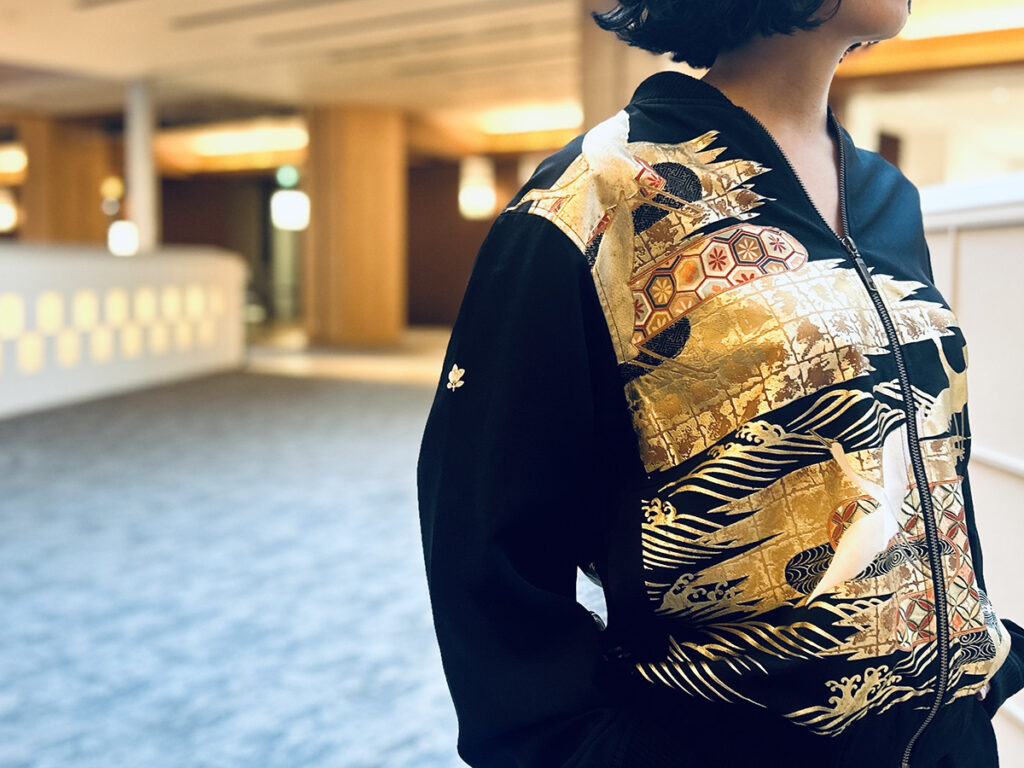
HAREJAN ¥165,000 – Made through reimagining haregi, the celebratory kimonos imbued with meaningful symbolism, including the kurotomesode.
The HARE brand also offers a diverse selection of items, including vests, gowns, aloha shirts, accessories, and home décor. Each piece has its own character, allowing people to enjoy these playful, celebratory garments in their own unique style.
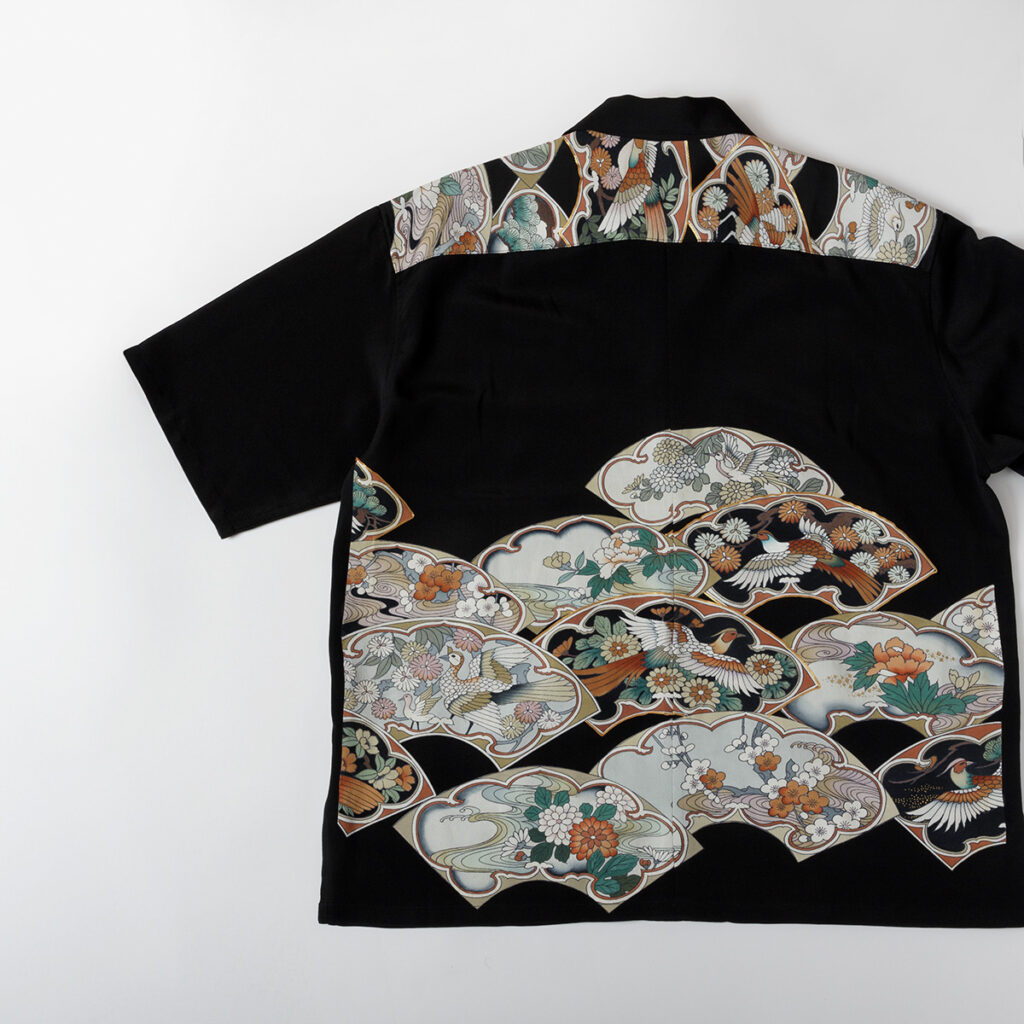
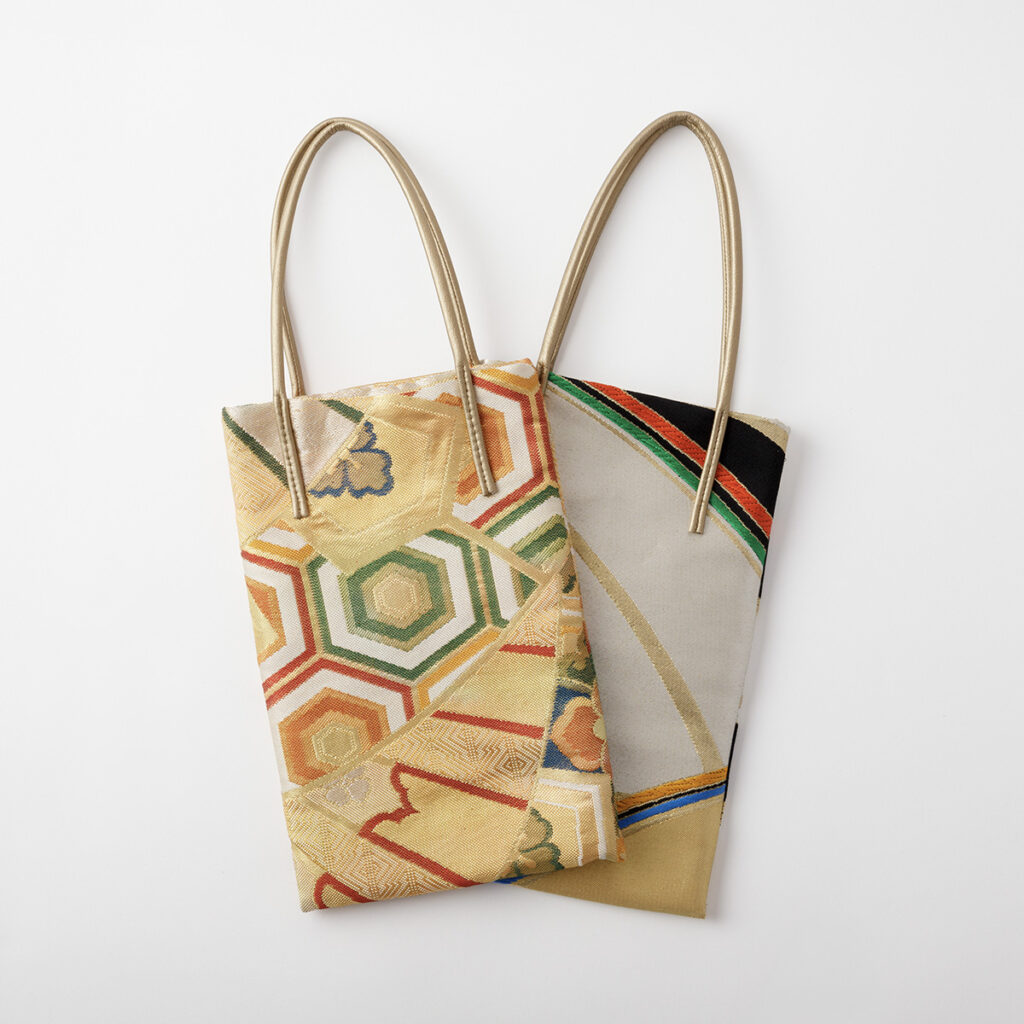
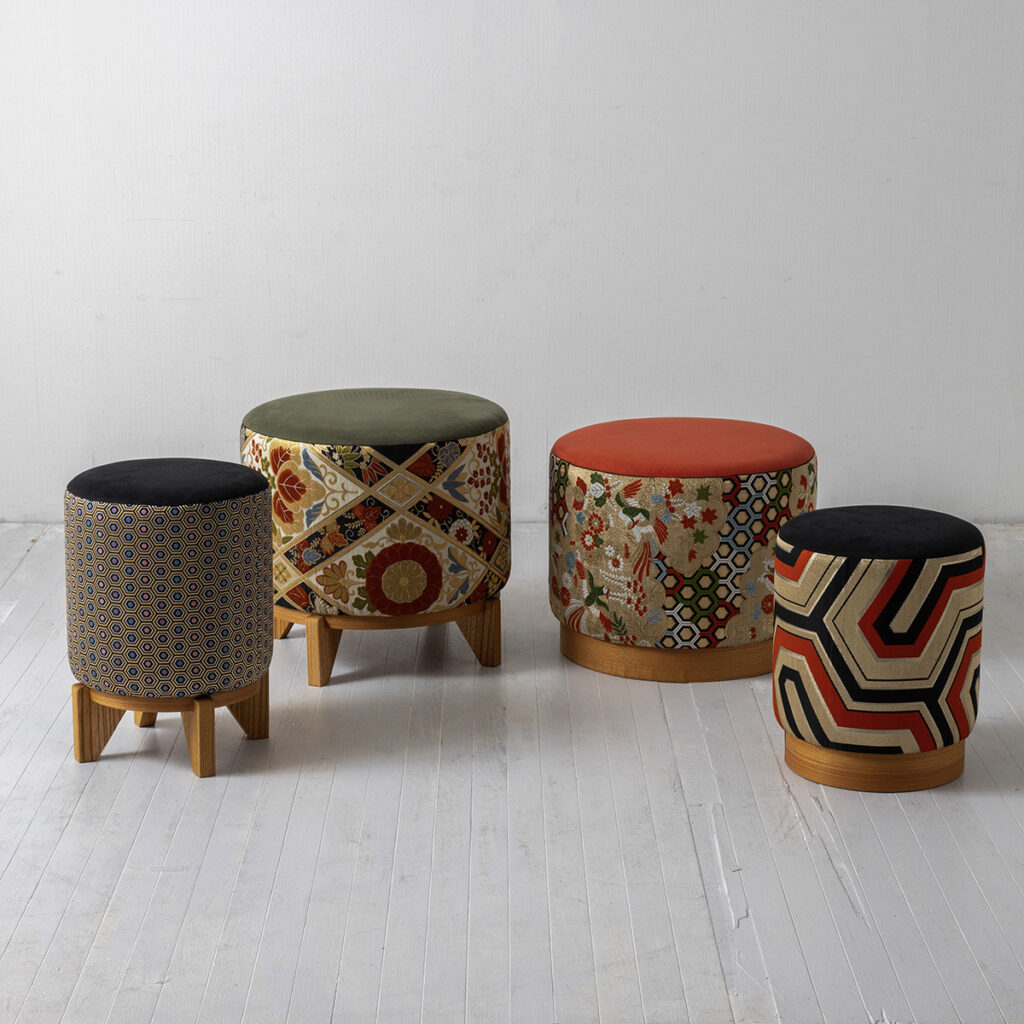
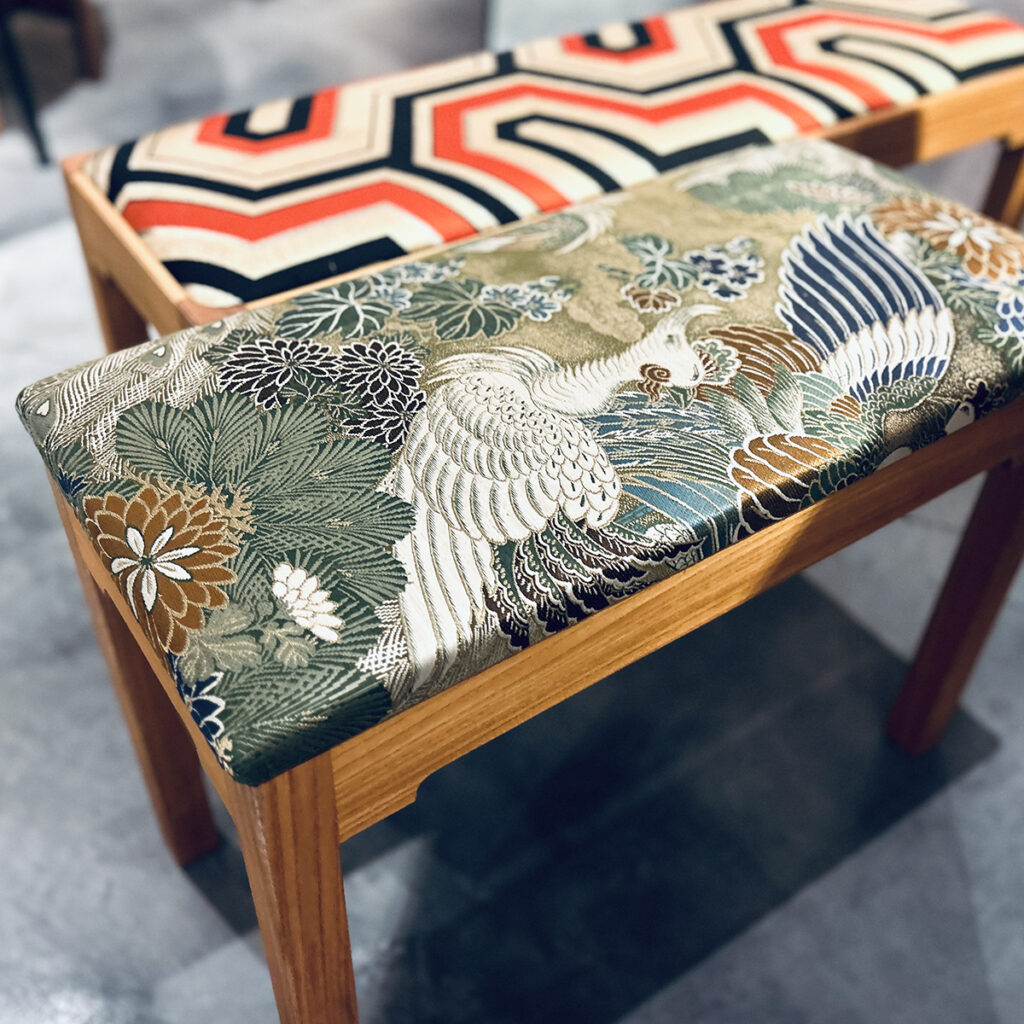
Image 1: HARE Aloha Shirt – M ¥41,800 / LL ¥44,000
Image 2: HARE Obi Bag (Slim) – ¥13,200
Image 3: HARE Obi Stool – M ¥110,000 / L ¥132,000
Image 4: HARE Bench – M ¥110,000 (front) / L ¥121,000
The collection also includes a wide range of Aloha shirts, accessories, and other items. The furniture pieces are upcycled creations, produced in collaboration between HARE and Japanese furniture makers, rewood.
THE COVER NIPPON
Address : 3rd Floor, Tokyo Midtown Galleria, 9-7-3 Akasaka, Minato-ku, Tokyo
Web site : https://thecovernippon.jp/