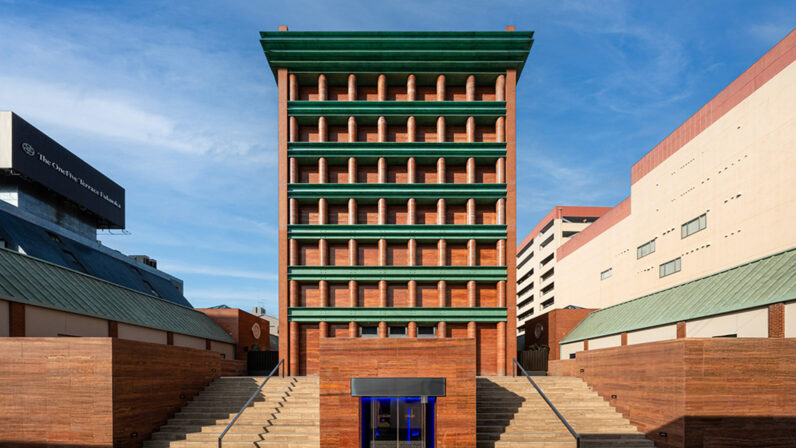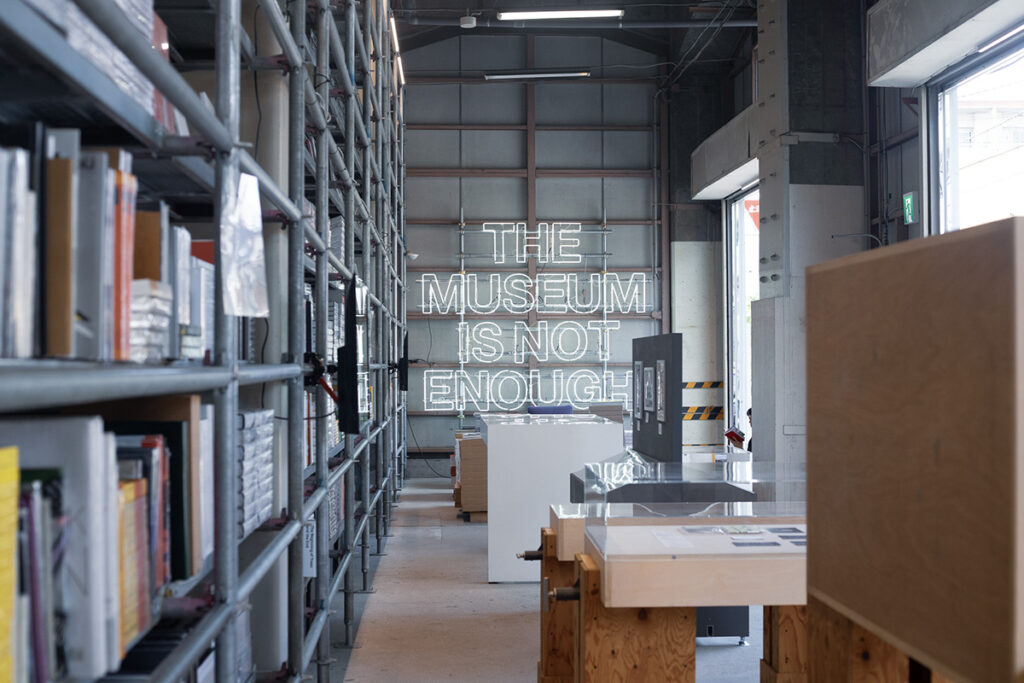
A short walk from Kameari Station on the JR Joban Line, an industrial world apart emerges beneath the concrete lines of the elevated railway tracks. This is SKWAT KAMEARI ART CENTRE (SKAC), an art centre housed in a former warehouse.
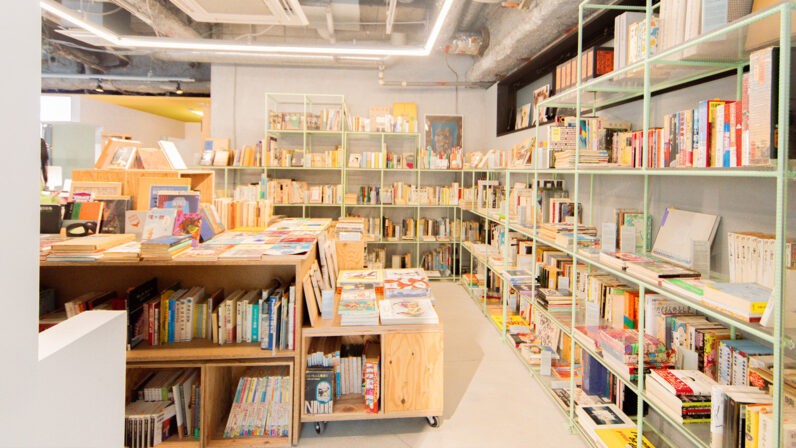
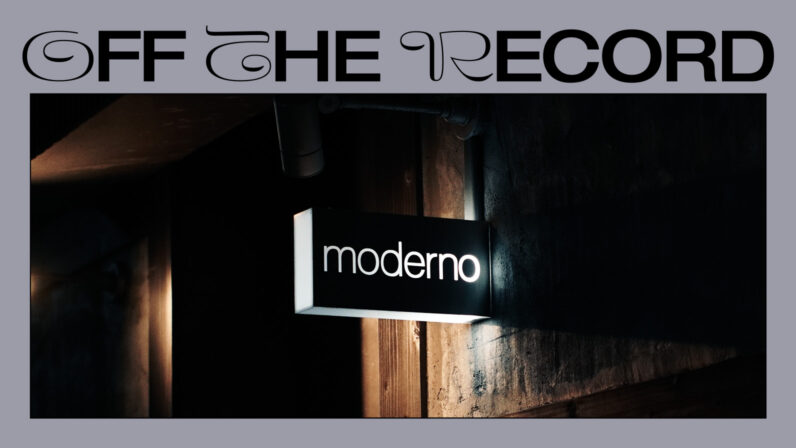
Inside, four companies have come together: architecture firm DAIKEI MILLS, art book distributor twelvebooks, record shop VDS and café TAWKS. Architecture, publishing, music and food come together without clear boundaries, making this space a contemporary hub for art and culture.
Why did SKWAT deliberately choose a space beneath the railway tracks? And what kind of transformation in value is SKAC seeking to create? We spoke with Shiro, a member of DAIKEI MILLS, about the ideas behind the project and the intentions embedded in its distinctive space.
Recognising the Value in Overlooked Spaces
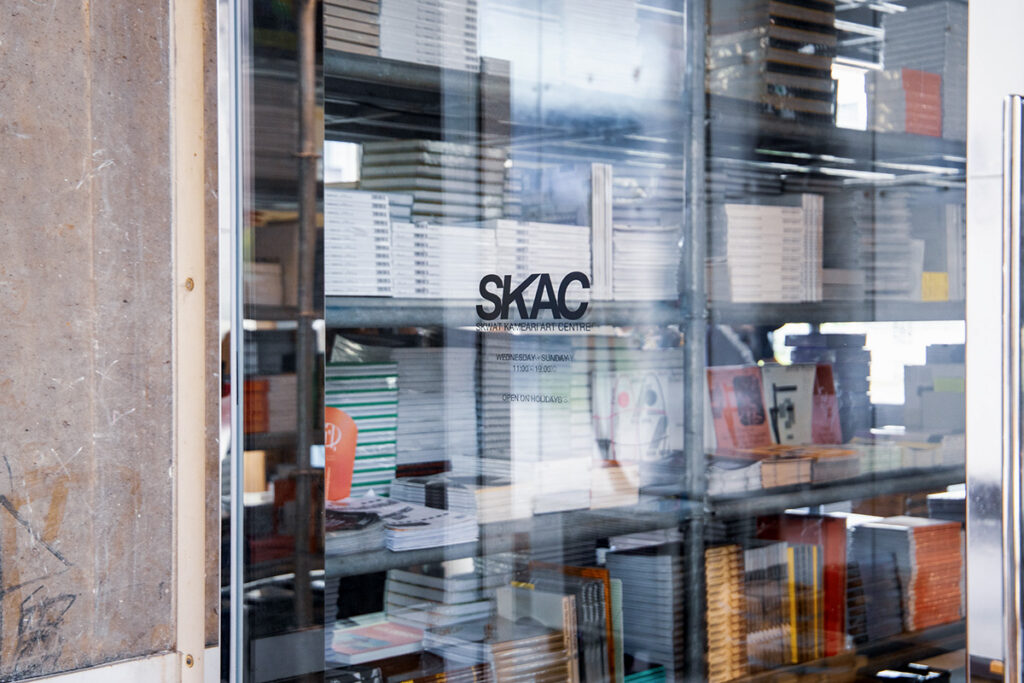
SKAC occupies a vast space beneath the elevated JR Joban Line tracks, covering more than 3,500 square metres of floor area. It is part of SKWAT, a project by architecture firm DAIKEI MILLS.
The name SKWAT comes from SQUAT, a movement seen across Europe in which abandoned land and buildings are occupied and put to use. Here, however, the idea is not about forcibly taking over a space, but about finding positive ways to transform value that has been overlooked by society. SKWAT refers to such unused and dormant urban spaces as VOID, breathing new value into them and reintroducing them to society in a new form. This is the idea behind the SKWAT project.
SKWAT’s approach has remained consistent since its earlier project in Aoyama. It gives cultural value to overlooked spaces, then deliberately moves on once the space gains recognition and people start wanting to enter and experience it. After following its own approach of increasing a place’s value before passing it on, SKWAT turned its attention to Kameari, a relatively untouched area not yet shaped by any particular cultural scene.
“It seemed a shame to leave all of this as nothing more than a closed-off warehouse. If there were so many interesting things here, why not open it to the public so people could see, touch and buy them? The idea of sharing the warehouse and making that process visible became the starting point for SKAC.”
Four Companies, One Warehouse, An Open Working Process
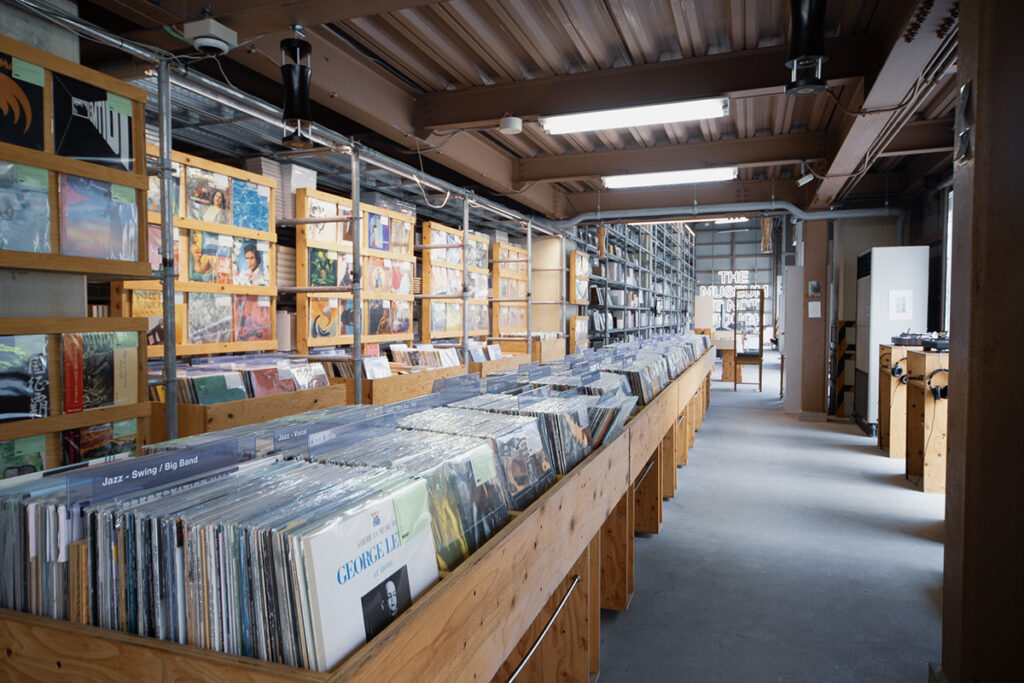
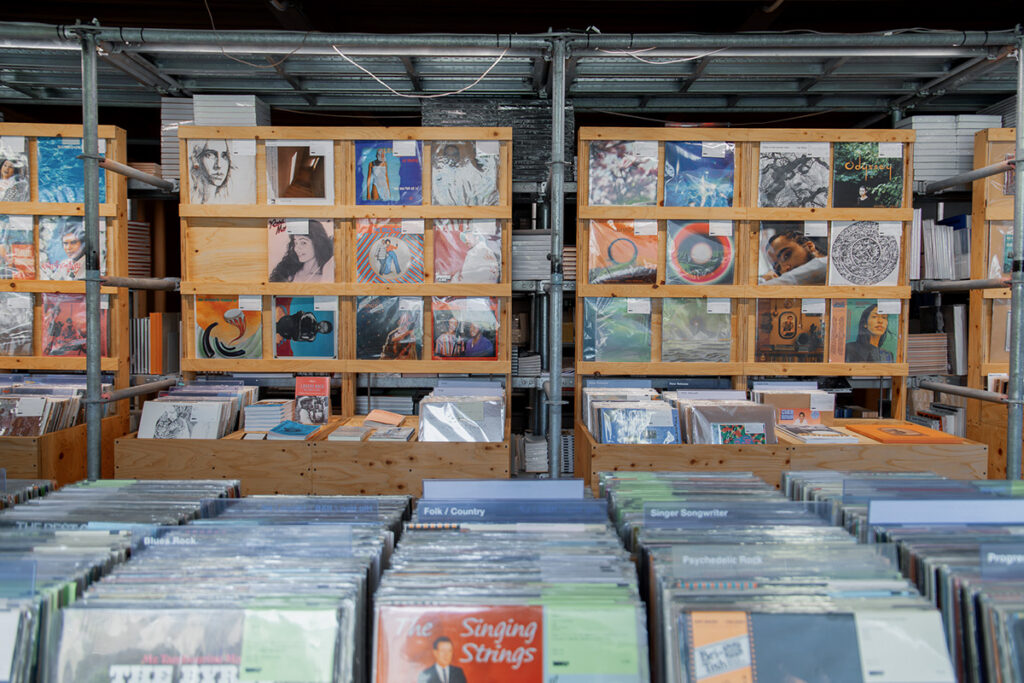
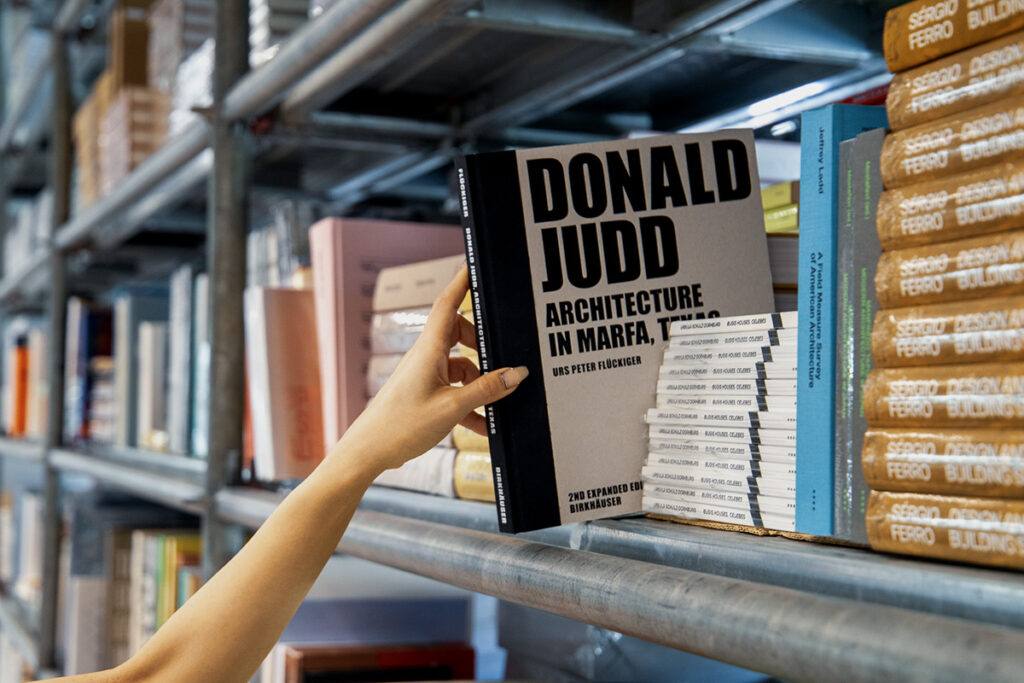
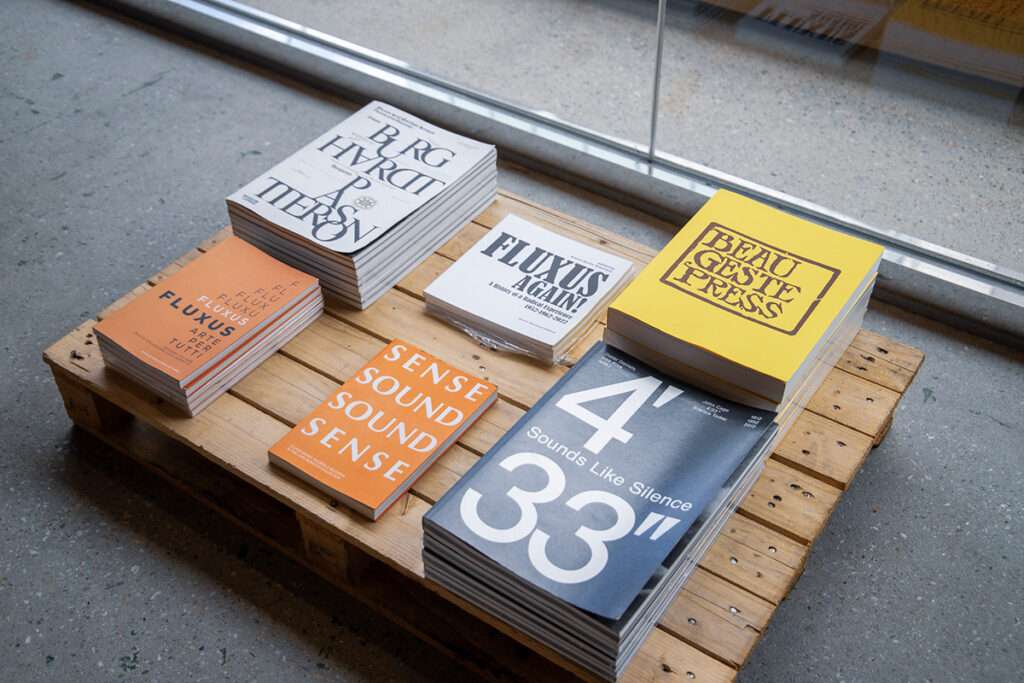
As mentioned earlier, the facility brings together four companies: architecture firm DAIKEI MILLS, art book distributor twelvebooks, record shop VDS and café TAWKS. This is more than just a collection of shops. Each company brings its own practical operations to the space, using it as a warehouse or base while deliberately opening up those everyday processes to the public.
For example, twelvebooks is not simply a bookshop but a distribution hub that supplies Japanese bookstores with art books, primarily from overseas. Visitors can see the everyday work up close, from unpacking books as they arrive from abroad to packing and shipping them out. VDS, which also operates an online store, has likewise opened up its vast inventory to the public, allowing visitors access to stock that would normally remain behind closed doors.
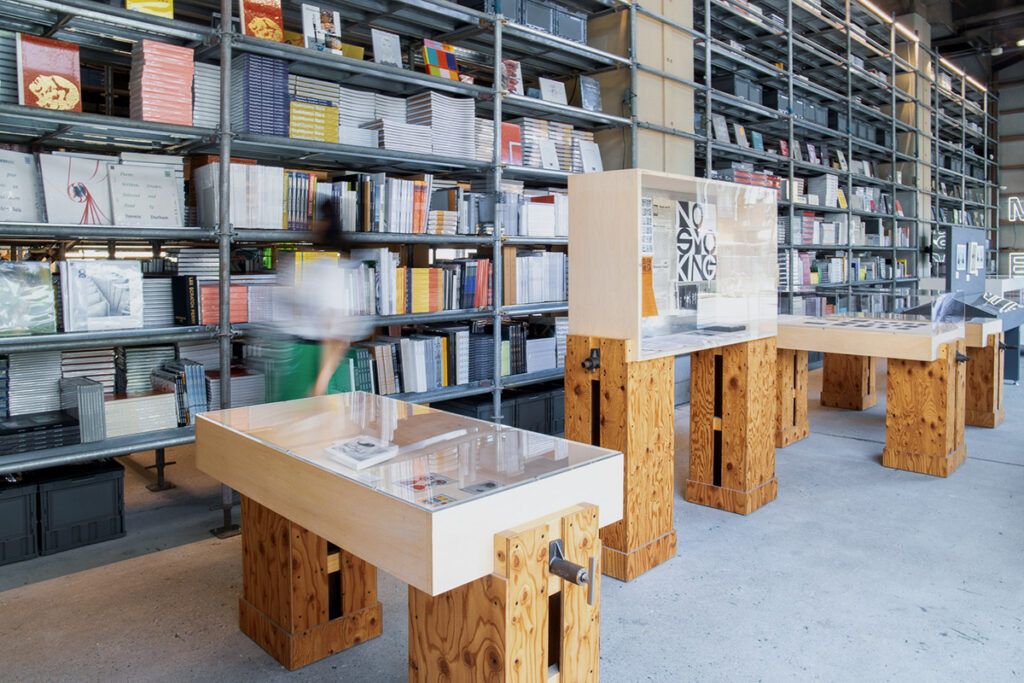
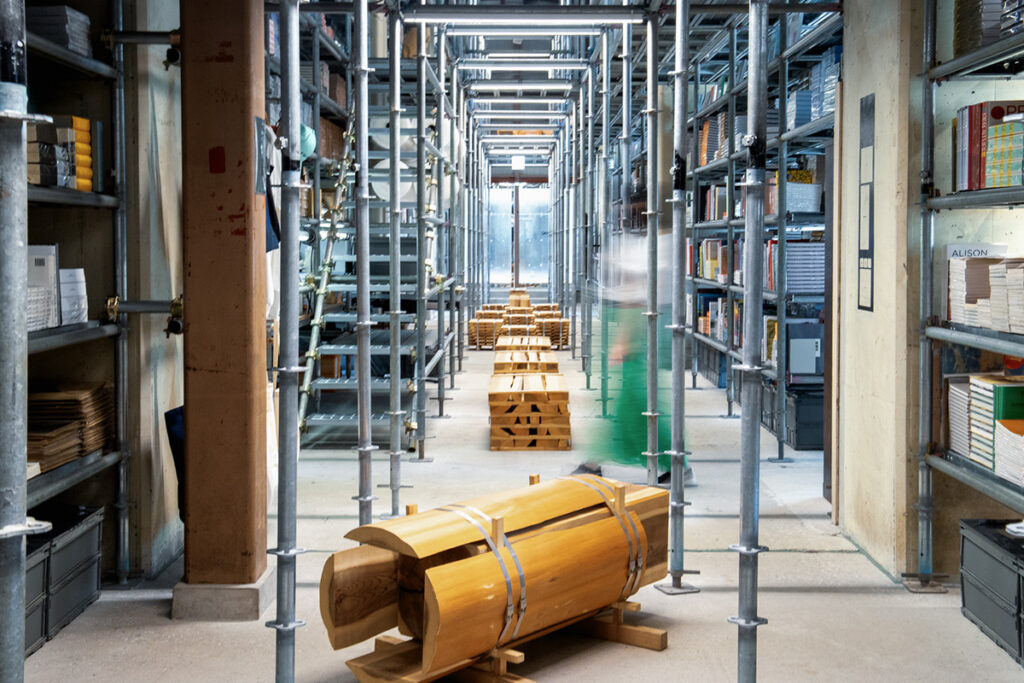
The same approach can be seen in the interior design by DAIKEI MILLS. Full-scale mock-ups created during the design process, tile samples, and bricks and pallets used in past exhibitions have all been repurposed as part of the interior, while also serving as storage.
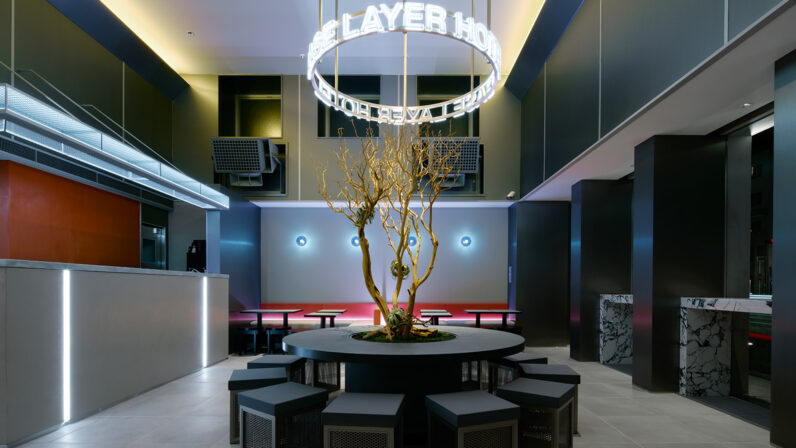
At the far end of the space is an area called PARK, home to the coffee stand TAWKS. Designed as a place where anyone can drop by, it combines an overall installation-like quality with a welcoming atmosphere where visitors can relax with a coffee, allowing art and everyday life to exist side by side.
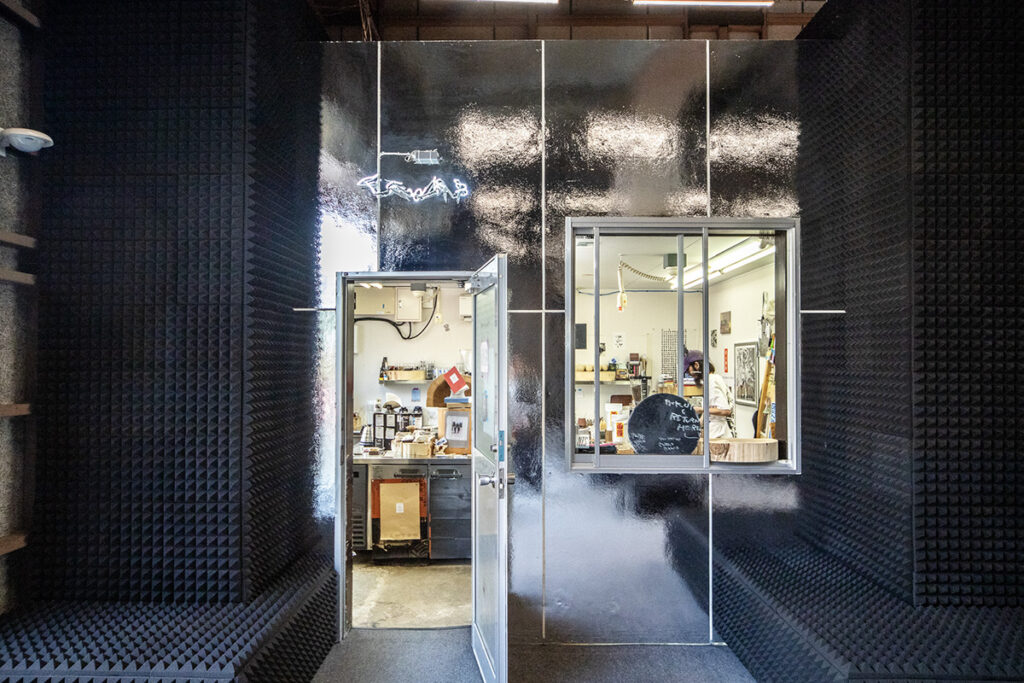
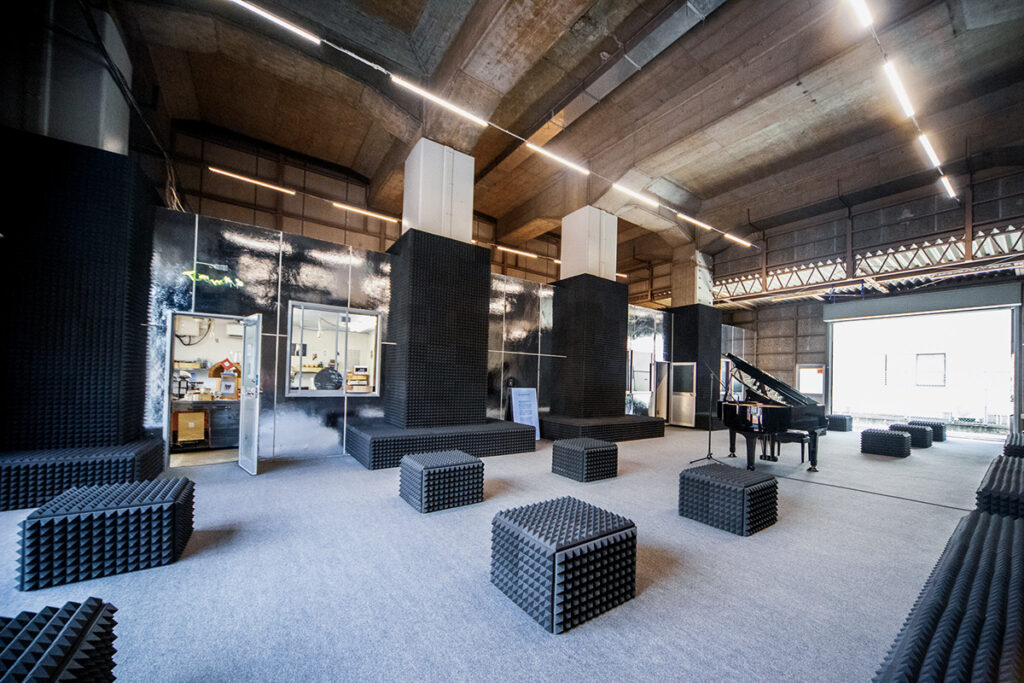
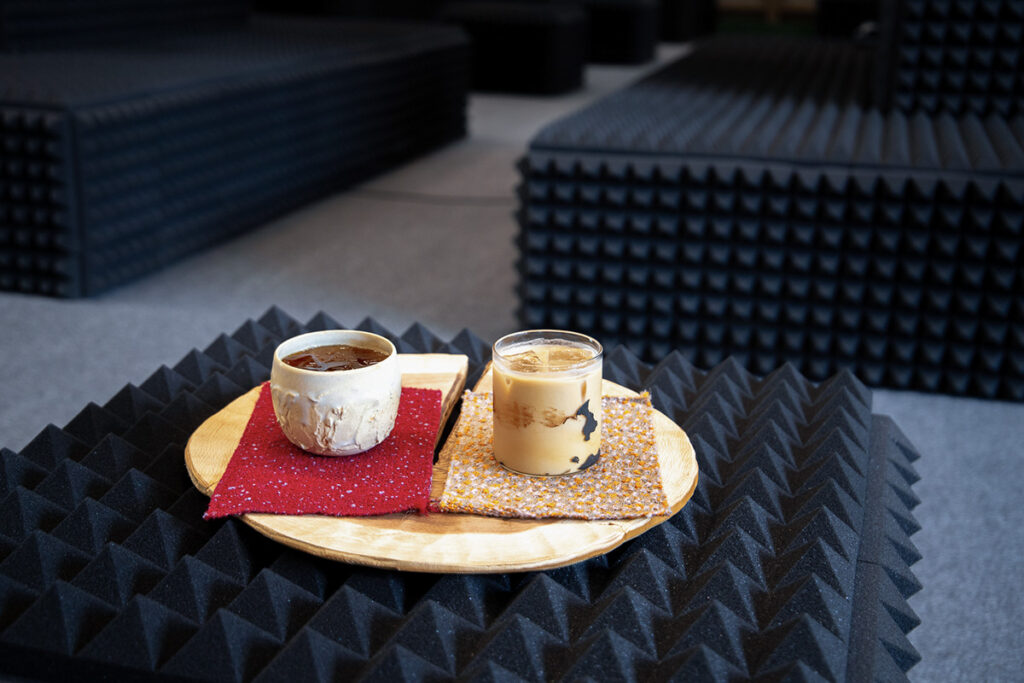
The street piano in the PARK area is another feature worth noting. Anyone is free to play it, and the sounds are recorded on the spot, edited and later played back throughout the space as background music. In this way, the everyday sounds created by visitors become part of the art that fills the space.
There are also a number of black chairs with a distinct, bumpy texture. While acoustic foam is used to reduce sound reverberation, here it has been given a new role as comfortable furniture, supporting both the function and design of the space.
This idea of placing art within the flow of everyday life is perhaps best embodied by space lll, created by contemporary art collective mé. Its surrealist design boldly cuts through the existing shutters and warehouse structure, creating what the artists describe as a gaping “hole” in the city. Inside, the space opens up into a white cube, another way of rethinking what an art museum can be. By deliberately giving the space an art-like setting, even the chairs placed inside and visitors who happen to sit down can appear almost like carefully composed sculptures.
SKWAT’s Ongoing Expansion
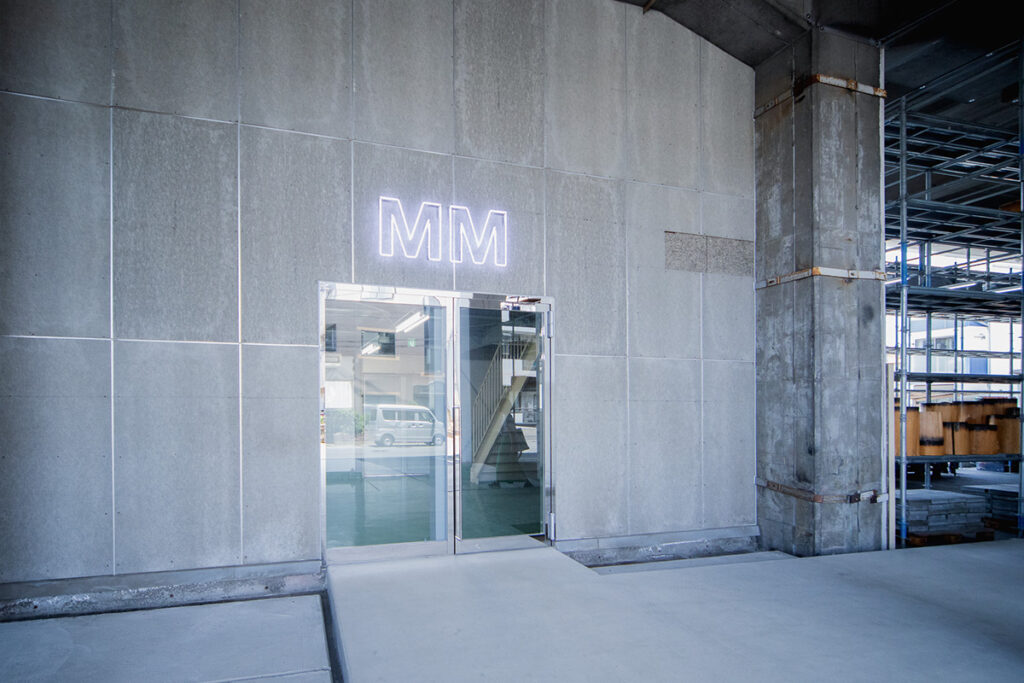
SKWAT’s work is still evolving. A new space called Material Matters is scheduled to open to the public in autumn 2026. As the name suggests, it will focus on the building materials and other materials used throughout the design process, exploring and exhibiting them in their own right. Through collaborations with companies and artists working with materials such as stone and iron, the space will take a closer look at how the things we encounter in everyday life are made.
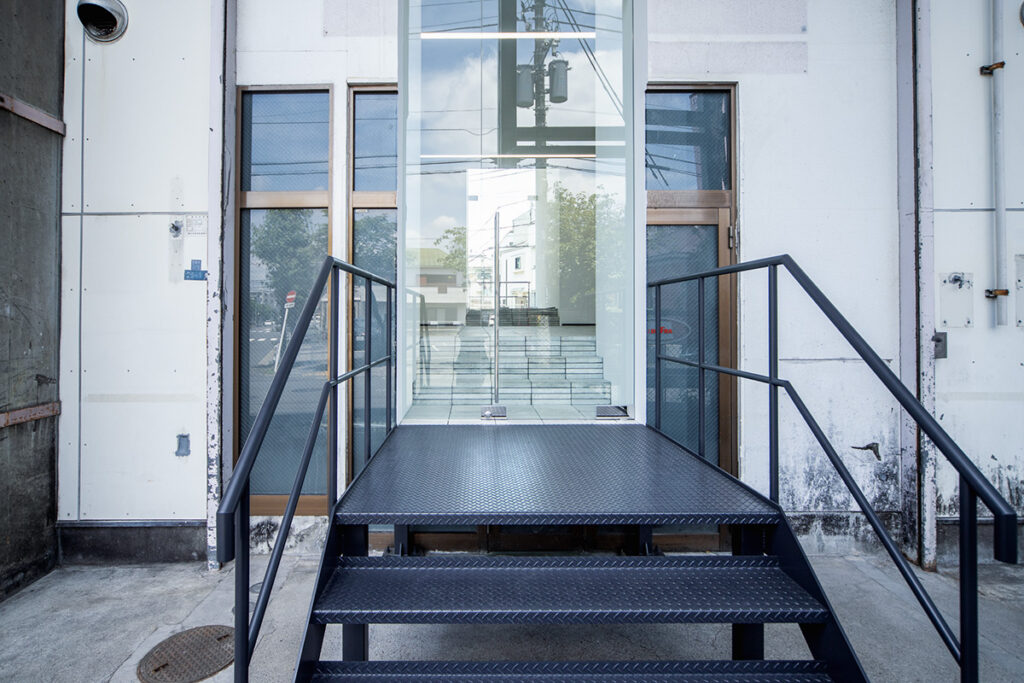
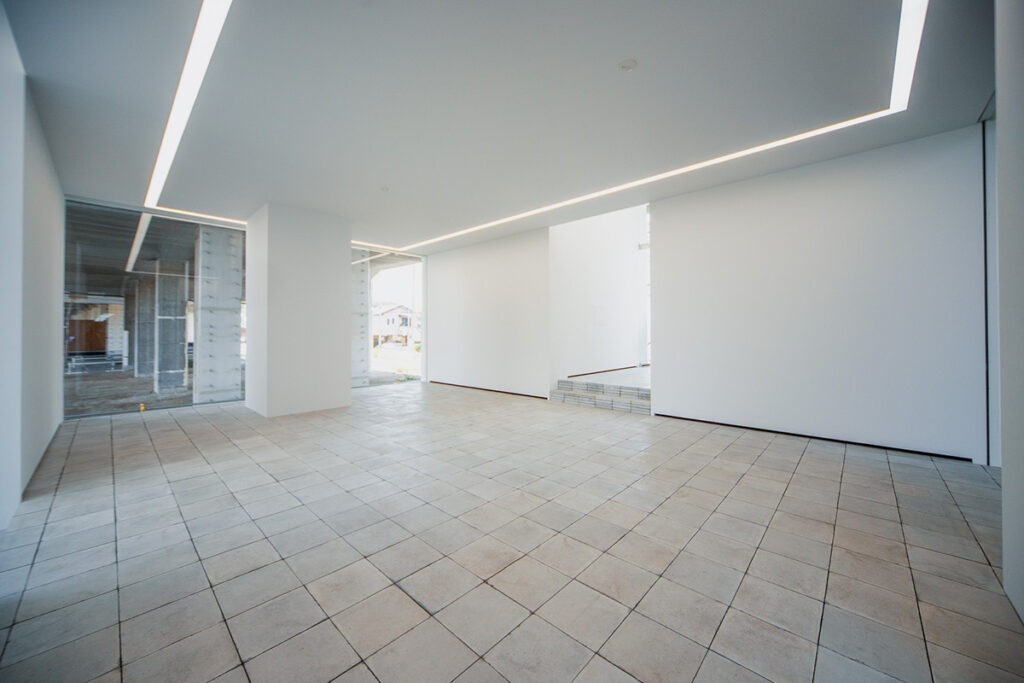
Also scheduled to open around the same time as Material Matters is the previously mentioned space lll, created by contemporary art collective mé. The area will further explore SKWAT’s approach to bringing contemporary art into everyday spaces.
Experiencing Art Through Everyday Life, Without Boundaries
SKWAT calls itself an art centre rather than a museum because it wants art to feel like a natural part of everyday life. This isn’t somewhere you need to make a special trip to or feel like you have to get involved in art. Picking up a book, listening to a record, enjoying a coffee or handling samples of design materials are all everyday, sensory experiences that naturally become part of what the art centre is about.
The idea is to create a gradual shift in the experience. Coffee, books and records offer an easy way in, while moving further into the space takes you deeper into contemporary art. As Shiro explains, “The entrance is easy to approach, but as you go further inside, you can encounter more serious art. We want that organic connection where someone who simply comes in for a coffee, without thinking too much about it, ends up becoming part of the creative experience without even realising it.”
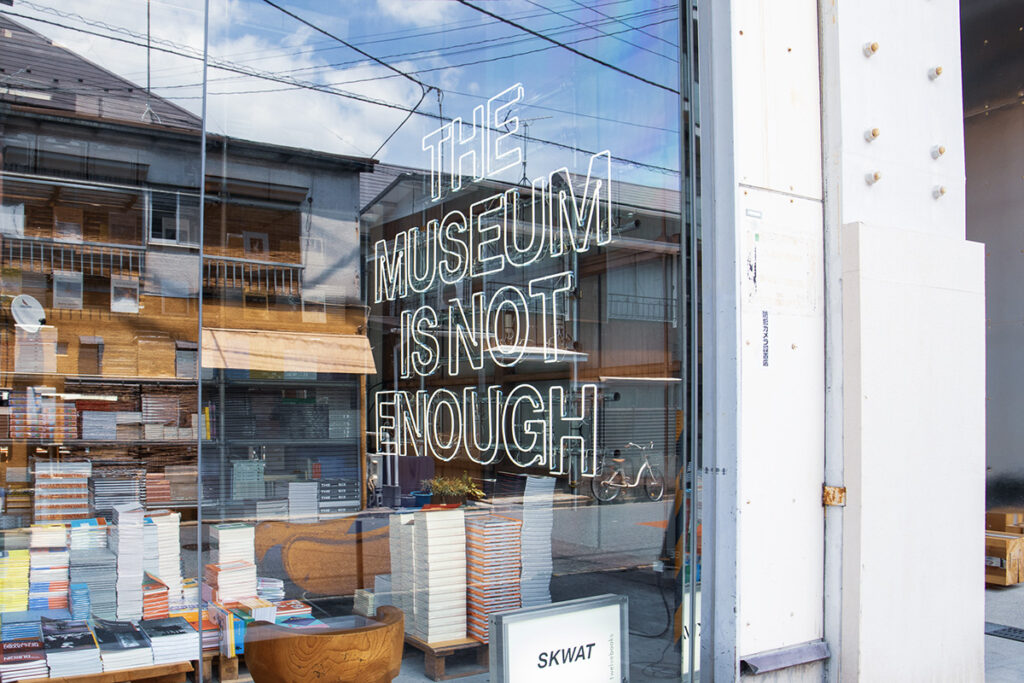
And that is already happening. A surprisingly diverse mix of people come together here. Local middle school students drop by after school to listen to records, while art-savvy visitors from overseas browse the art books and older residents from the neighbourhood stop in for a coffee as part of their everyday routine.
As Shiro puts it, “You walk through a residential neighbourhood, and suddenly this appears in a place where there seemed to be nothing. We want people to enjoy that contrast, too.” There are no rules about how you should experience SKAC, or the strict boundaries you might find in a museum. You can sit in a corner of the warehouse and get lost in a book, or simply let your thoughts wander while listening to the trains passing by. What you find here is culture in its most natural and unfiltered form.
SKAC(SKWAT KAMEARI ART CENTRE)
Address: 3-26-4 Nishikameari, Katsushika-ku, Tokyo, Japan
Instagram: @skwat.site
◾️Related Article