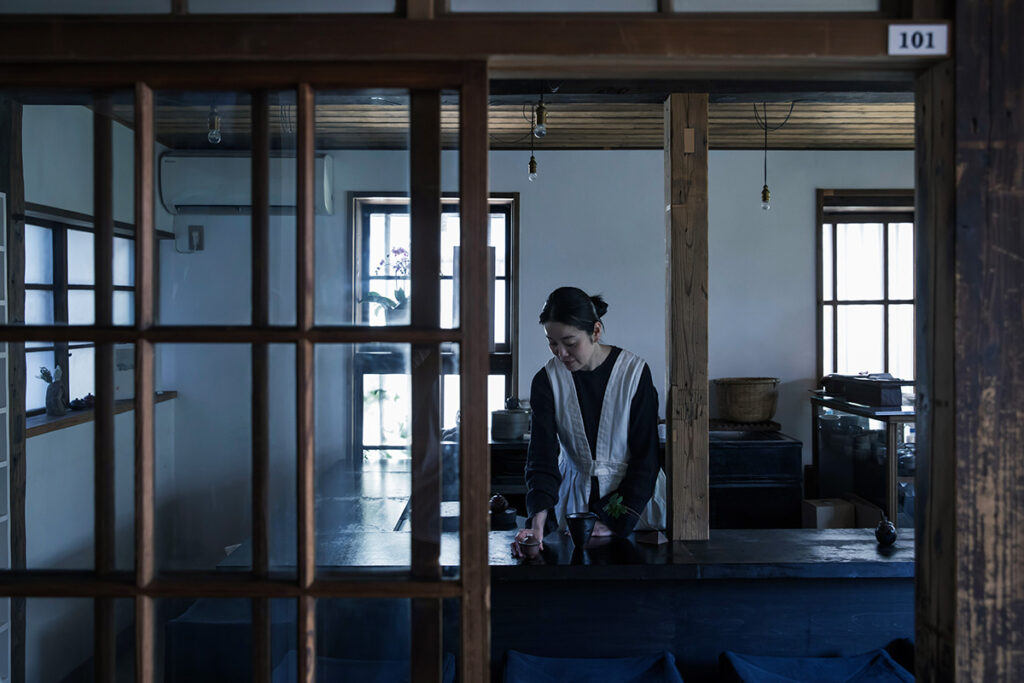
At the entrance of a timeworn Japanese house, shop manager Ryoko Saito welcomes visitors.
In Kagurazaka, Tokyo, the main street has taken on a more modern appearance these days, yet stepping one street in reveals a neighbourhood still rich in atmosphere.
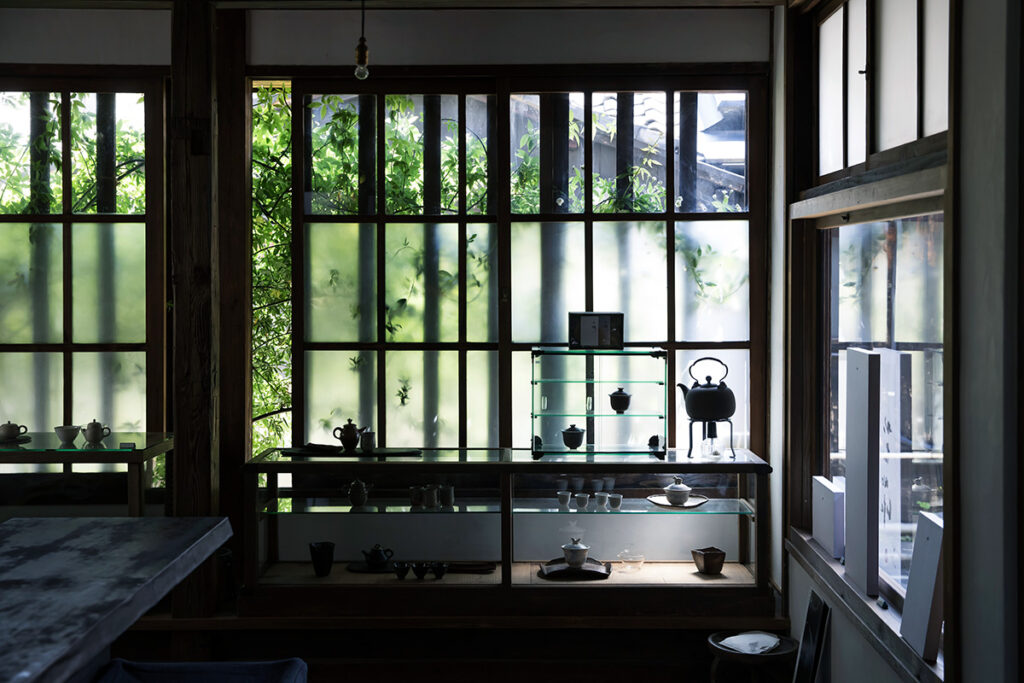
At first glance, it appears to be a modest, timeworn Japanese house. Wildflowers grow across the grounds, and an old handcart sits quietly half-hidden in greenery. Drawn in by the sense of stepping back in time, visitors arrive at the Seika Xiaoman Tea Experience, which opened on March 27, 2026 on the first floor of Issui-ryō. The tea space is led by Taipei-born Xie Xiaoman, a well-known figure among Taiwanese tea enthusiasts. As the sliding door opens, the soft vibration of frosted glass is heard and a space filled with gentle light unfolds.
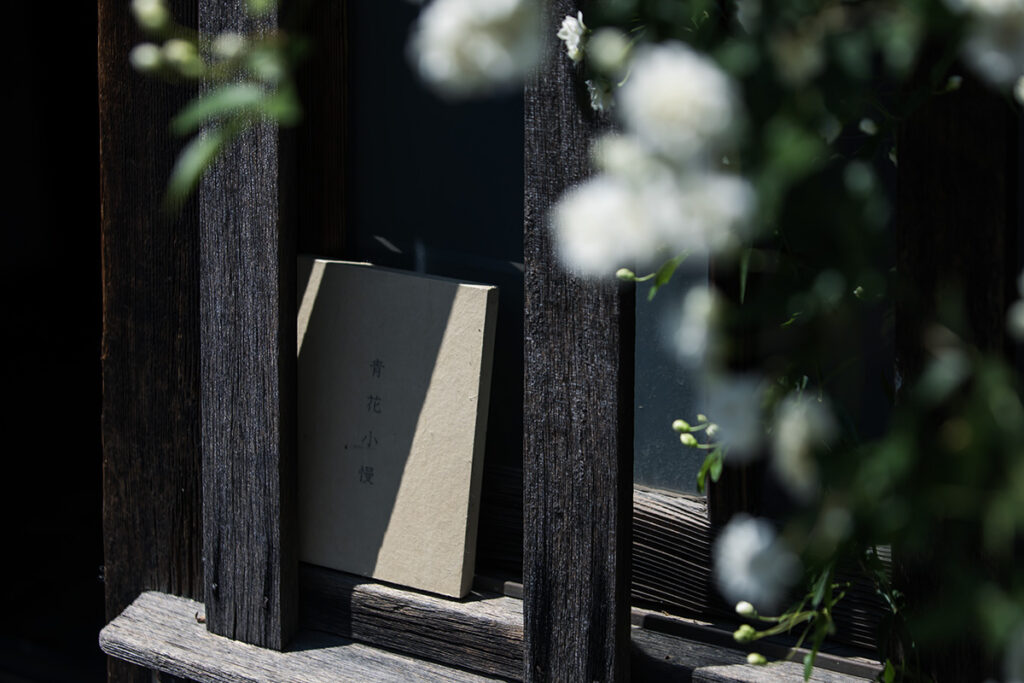
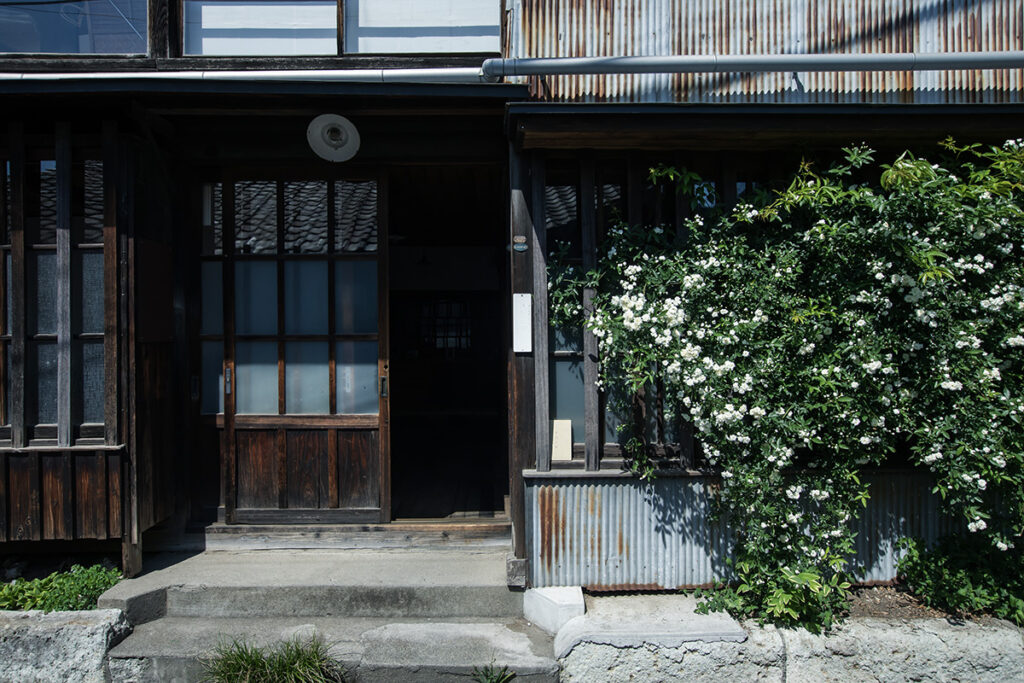
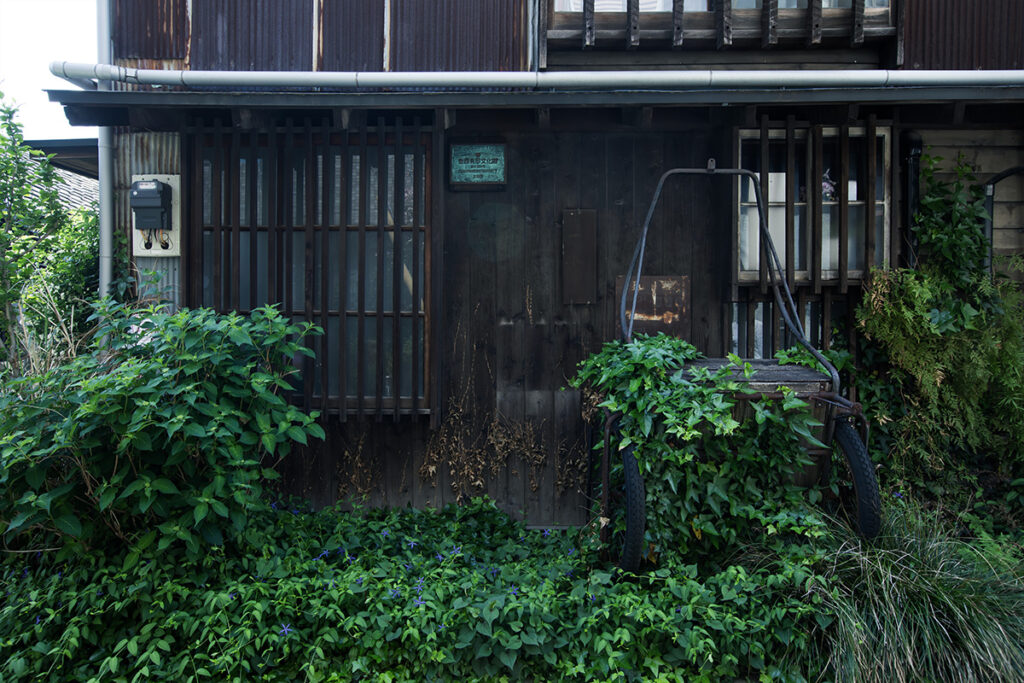
Issui-ryō, built in 1951. From spring through early summer, creamy white banksia roses fill the air with their fragrance, and a modest sign is quietly placed among the foliage.
Taiwanese tea arts can sometimes be associated with ceremonial practice involving the careful handling of delicate tools. Yet any sense of uncertainty or unfamiliarity with these formal conventions is gently eased by the calligraphy placed in front of the counter. The simple phrase “Let’s drink tea” invites guests into the world of tea with a sense of openness and ease.
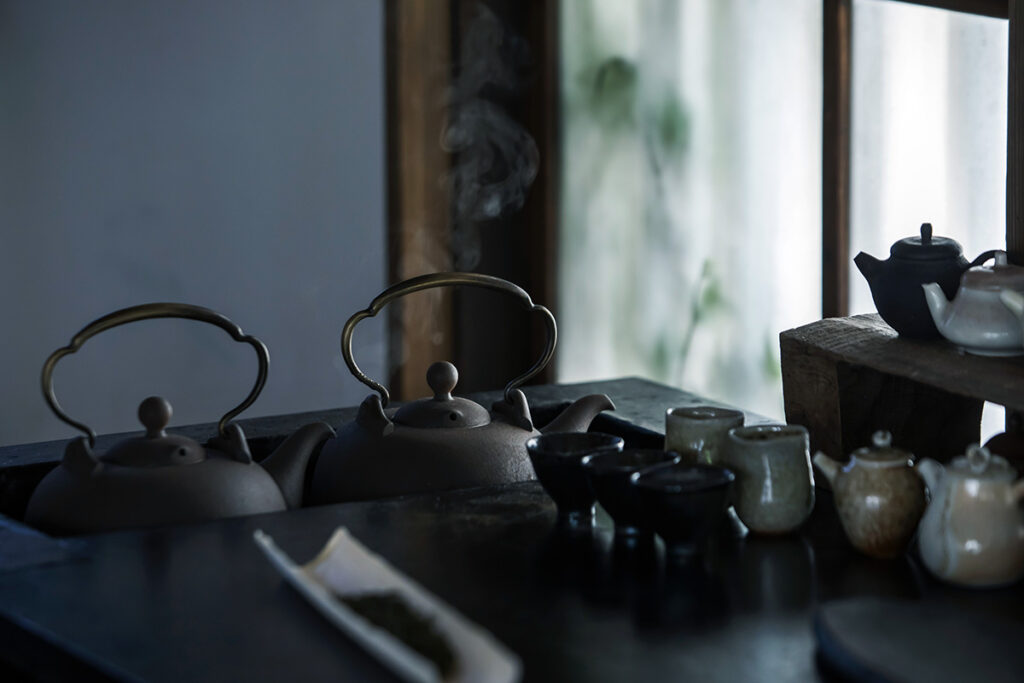
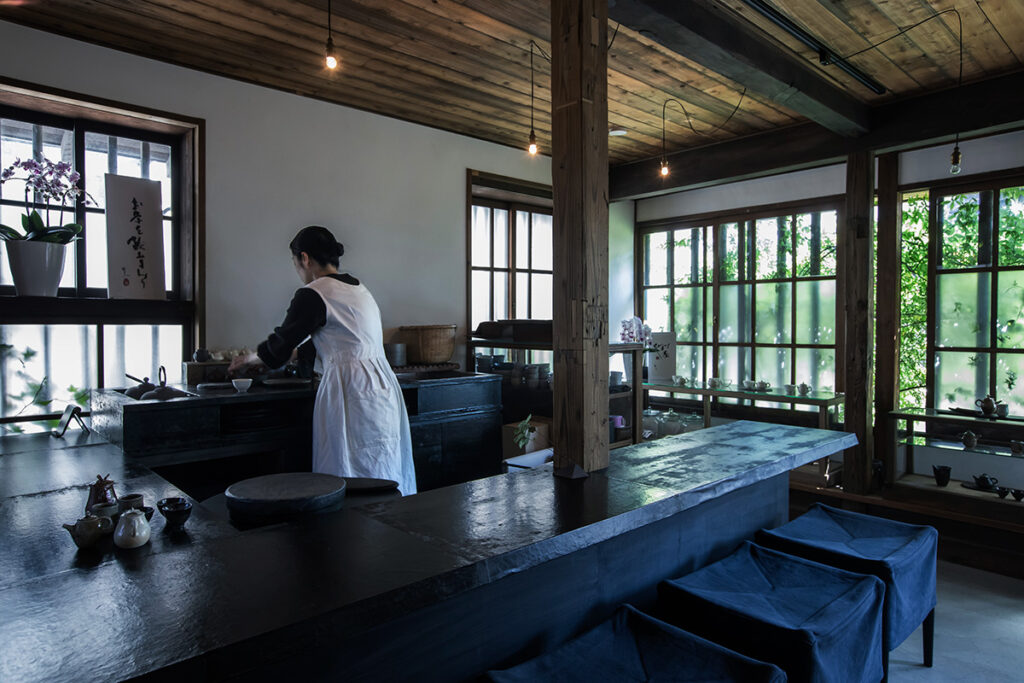
Soft natural light filtered through frosted glass, giving the passage of time a gentle, soothing rhythm.
The founder, Xiaoman, spent seven years in Japan while studying at university before returning to Taiwan in her late twenties. After taking up calligraphy, her interest gradually turned toward the world of crafts, eventually leading her to tea. Drawing on her time in Japan, she has actively introduced Japanese artisanal teaware to tea spaces in Taipei. This fusion of Japanese craftsmanship and Taiwanese tea culture sits at the core of her approach. She also places strong emphasis on naturally cultivated wild-grown tea, which is grown slowly without pesticides or fertilisers. For nearly 20 years, she has visited tea gardens directly, observing the land firsthand and assessing each tea through its environment and character.
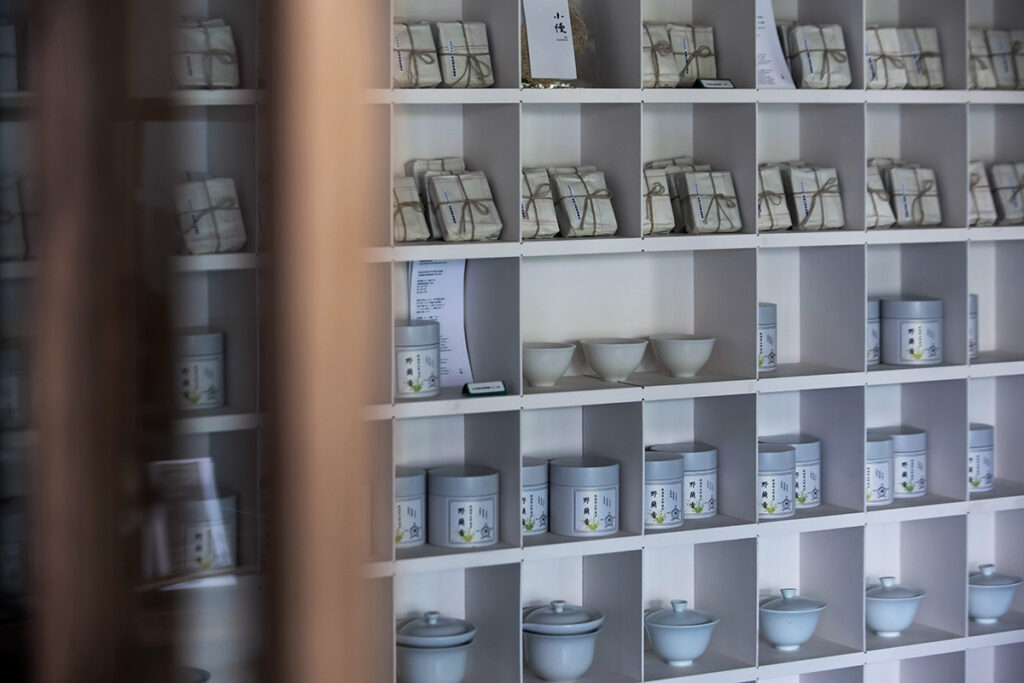
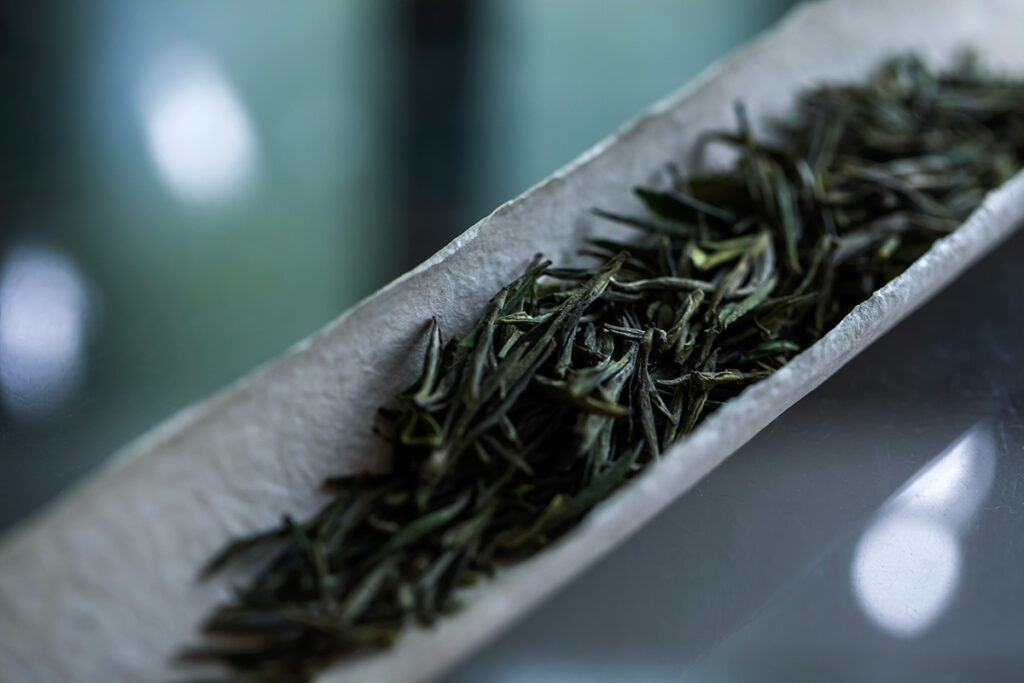
The tea selection changes with the seasons, with around eight varieties available at any given time.
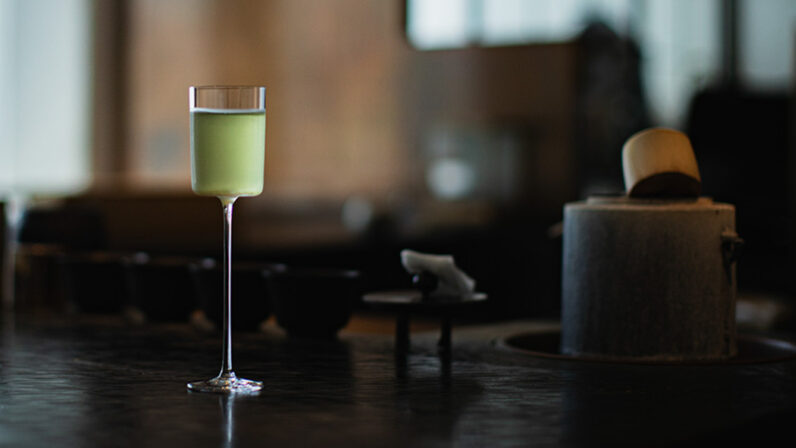
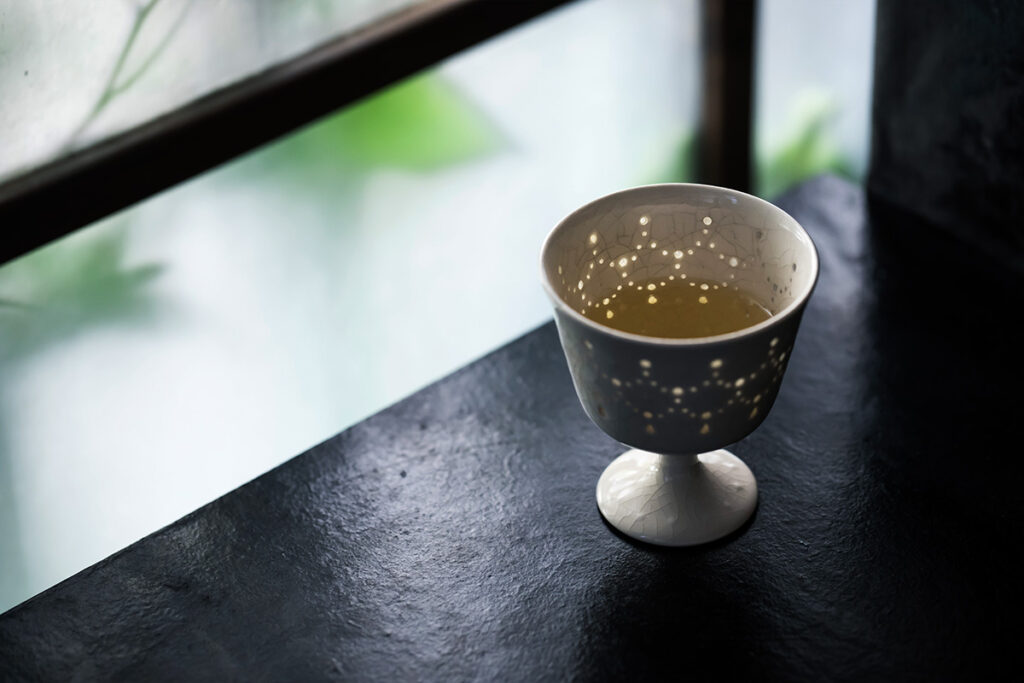
The tea served during our visit was the “2025 Dongyan Mountain Wild Oolong.” Dongyan Mountain sits at a high altitude where dense mist often lingers, with a wide temperature difference between day and night. In this pristine mountain environment, the tea is grown in gardens where the trees are left to flourish freely, resulting in the distinct characteristic of vitality found in wild-grown tea.
Watching the careful, almost reverent gestures of tea preparation, and listening to the rhythm between boiling water and poured tea, the first infusion offers a subtle floral aroma. The second reveals a gentle woody note, while the third brings a smooth, spring-water-like texture with a lingering sweetness.
As the oolong is savored, which seems to reflect the mist-laden forest air, a gradual sense of calm begins to settle in.
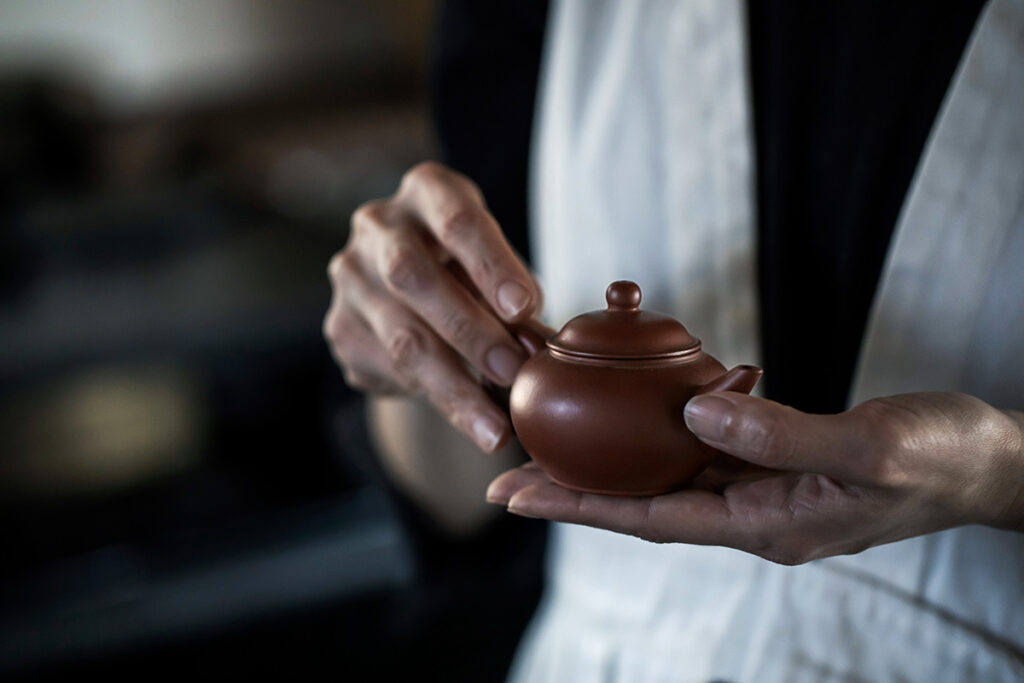
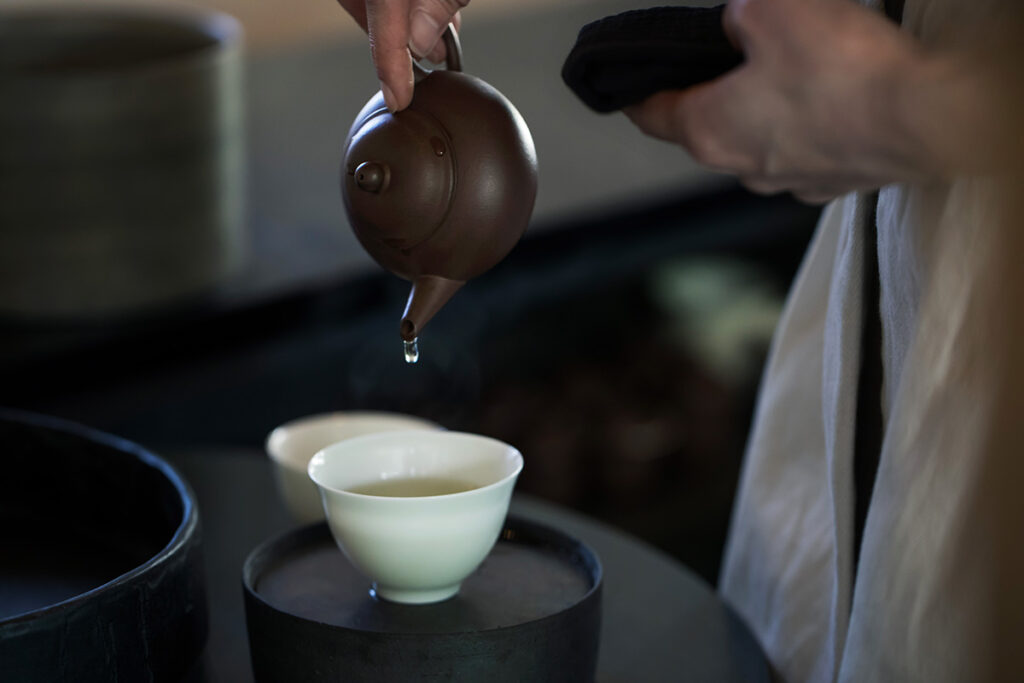
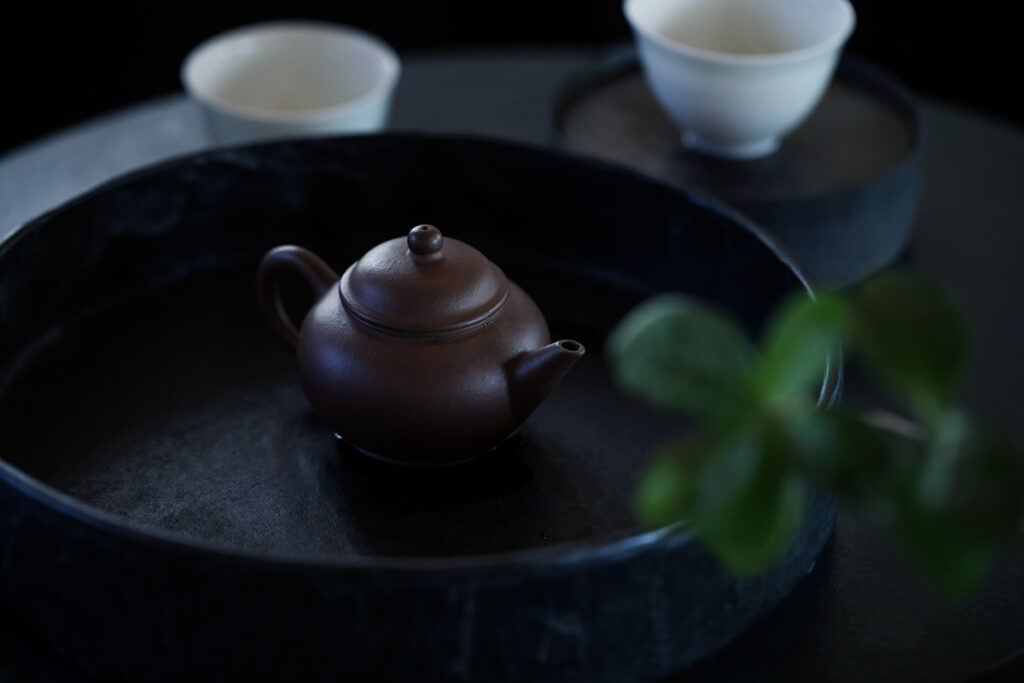
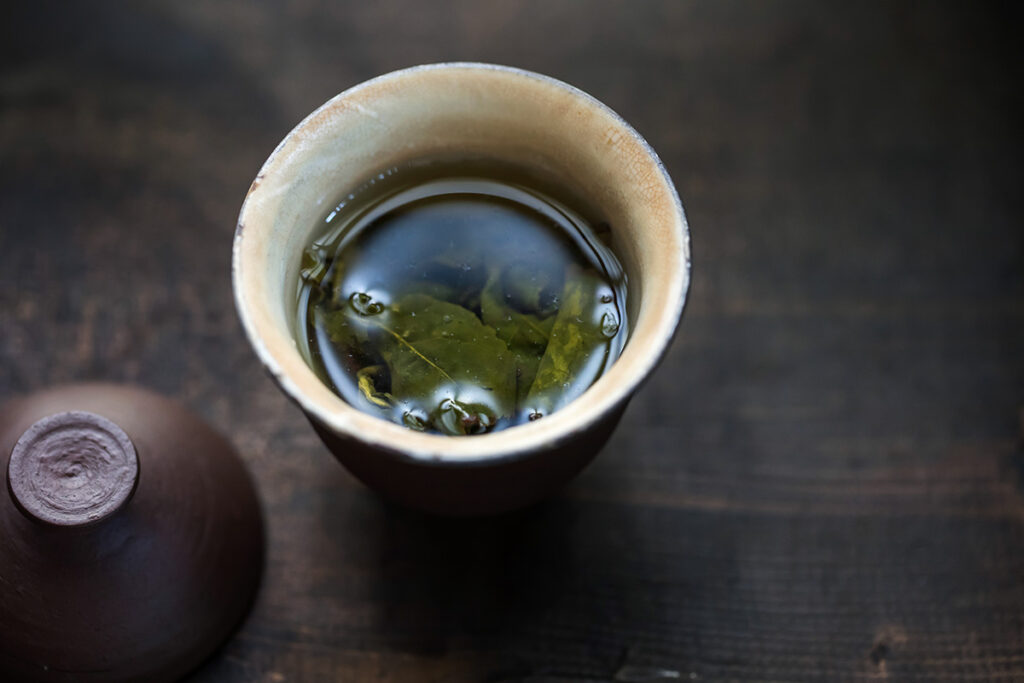
The reservation-only Tea Experience is available on Fridays, Saturdays, and Sundays (¥4,500 including tax for two teas and three Taiwanese sweets). On Tuesdays, Wednesdays, and Thursdays, visitors are welcome to drop in casually to sample teas and purchase tea leaves or teaware.
After finishing the tea, thoughts drift toward the idea of approaching everyday life with greater mindfulness and presence. It is a philosophy that may seem attainable to anyone, yet in reality it is not so easily reached. Even Soetsu Yanagi, founder of the Japanese folk craft movement, once expressed that the true value of a person is revealed most honestly in the details of everyday life.
It is easy to set aside the ordinary rhythms of daily living, although there is great value in steadying the breath and paying attention to the smallest corners of one’s life. Perhaps the simple habit of taking time to drink tea slowly each day offers a small glimpse into this idea of thoughtful living. Holding onto that quiet hope, our visit drew to a close, leaving with tea leaves and teaware. For those drawn to a more mindful way of living, Seika Xiaoman offers a place to slow down and embrace it firsthand.
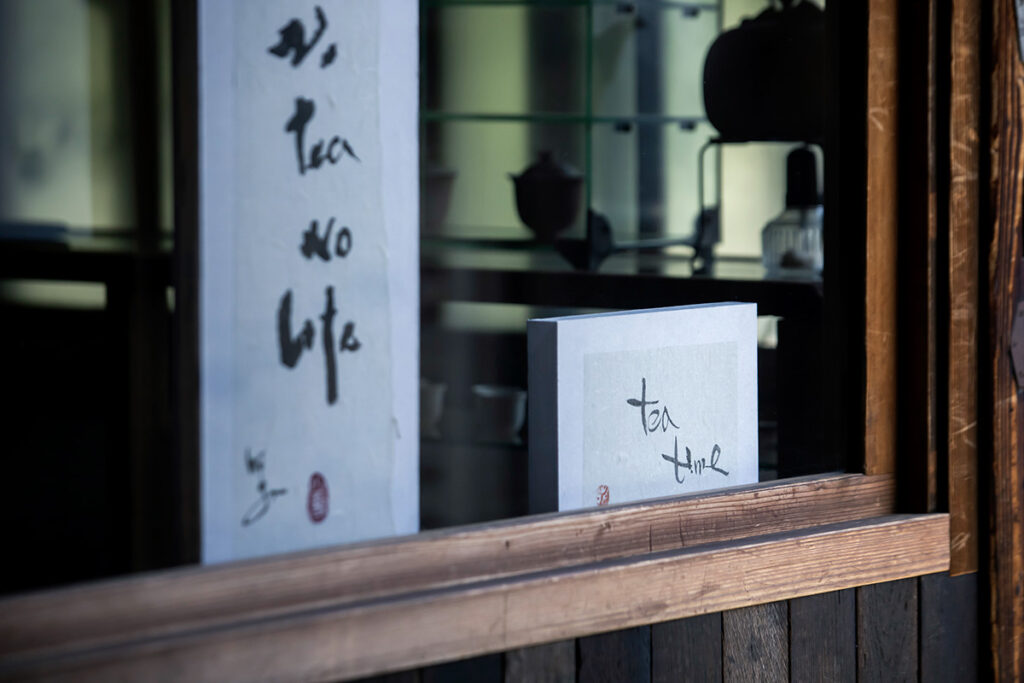
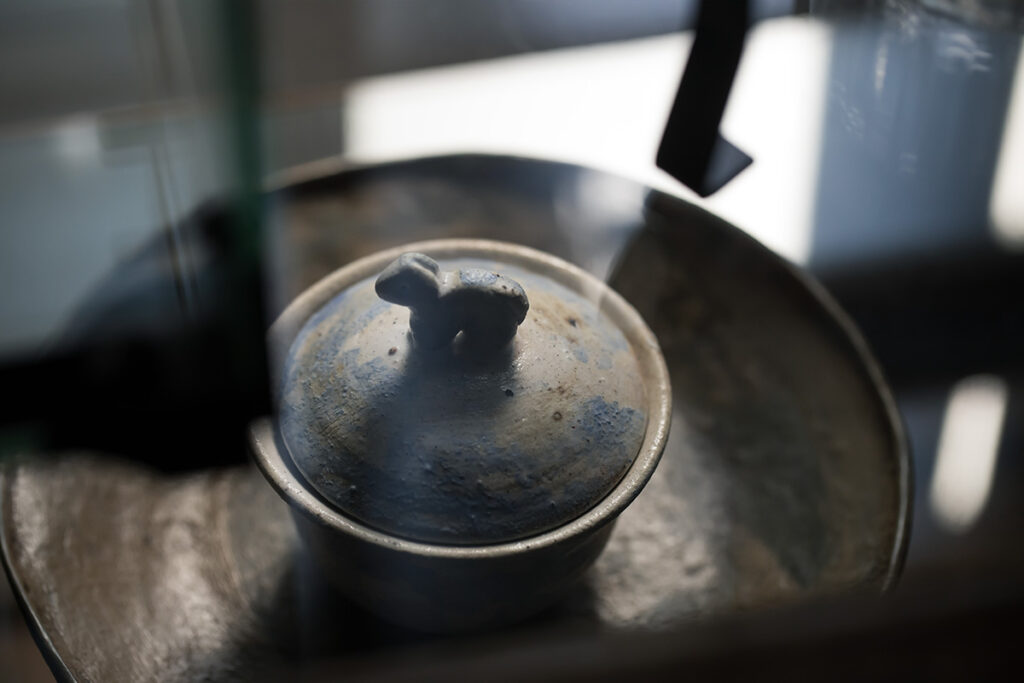
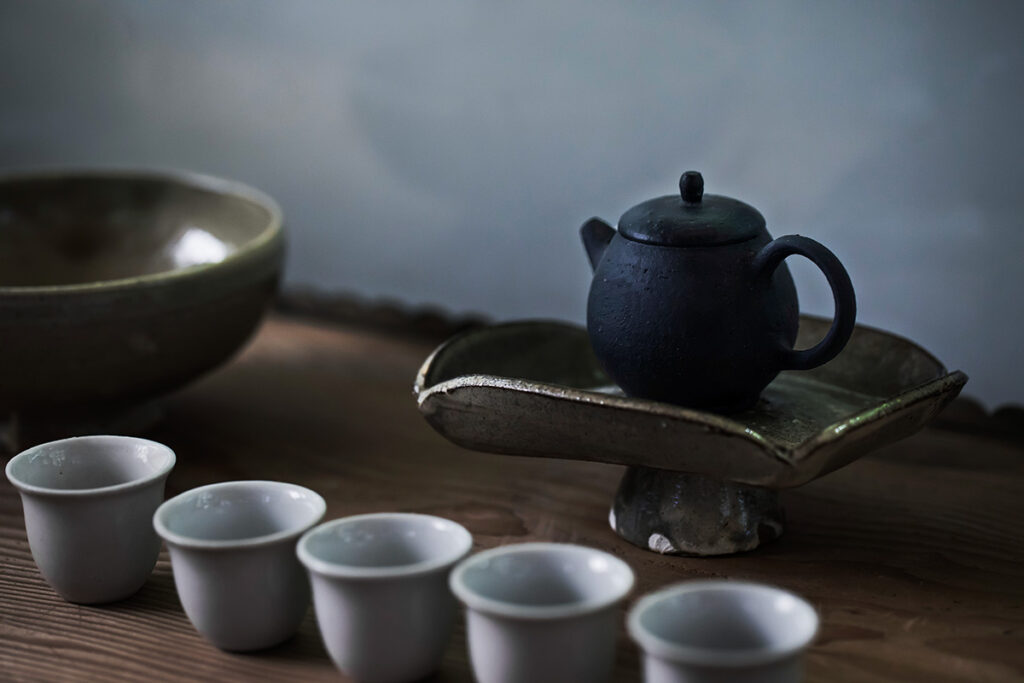
Xiaoman is also a calligrapher, and her works are available for purchase. Her calligraphy sits alongside tea utensils selected with a distinctive aesthetic sensibility.
Photography: Yuko Chiba
Seika Xiaoman Tea Experience
Address: Issui-ryō 101, 31 Yokoteramachi, Shinjuku City, Tokyo
Instagram: @seika_xiaoman
Reservations: https://seika-xiaoman.stores.jp/reserve/seika-xiaoman