Known as one of the hubs of the Setouchi Triennale, Takamatsu City in Kagawa Prefecture is layered with the legacy of postwar Japanese modernism. Architectural landmarks such as Kenzo Tange’s Kagawa Prefectural Government Office stand throughout its compact cityscape. The city also carries a rich creative legacy, having produced painter Genichiro Inokuma and served as a base for internationally renowned designers such as Isamu Noguchi and George Nakashima.
Within this culturally rich setting stands Anabuki-tei, a private estate distinguished by its striking castle-like tower and expansive 888-square-meter grounds.
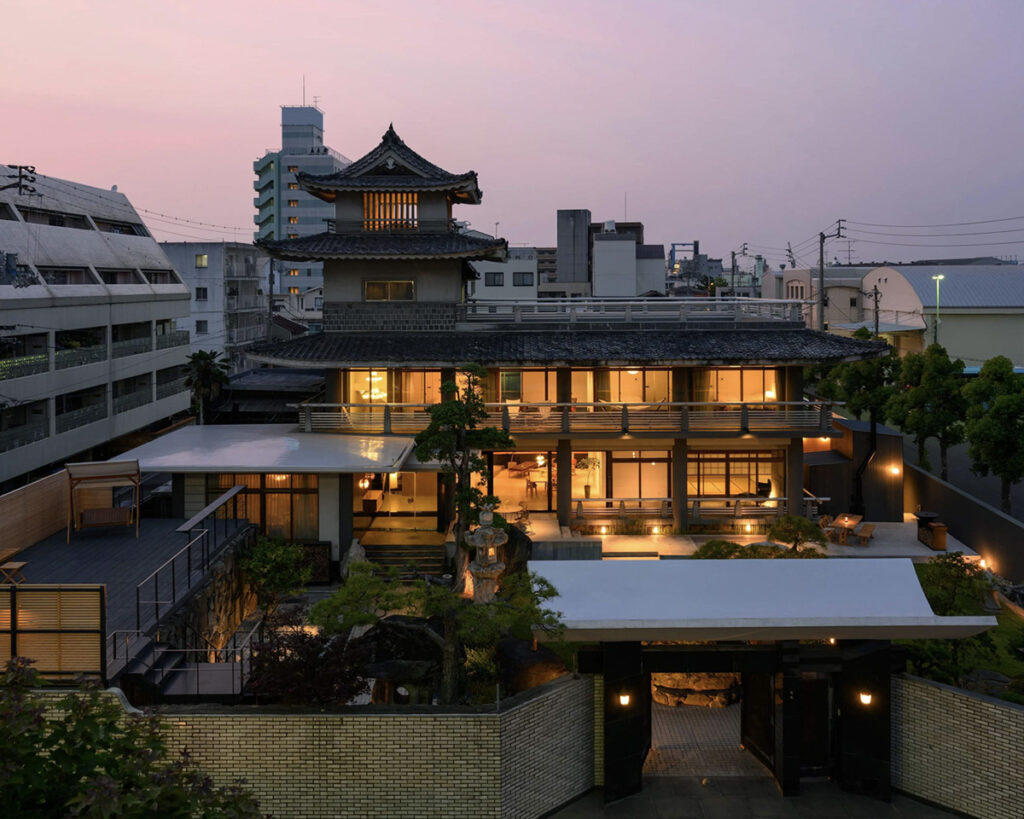
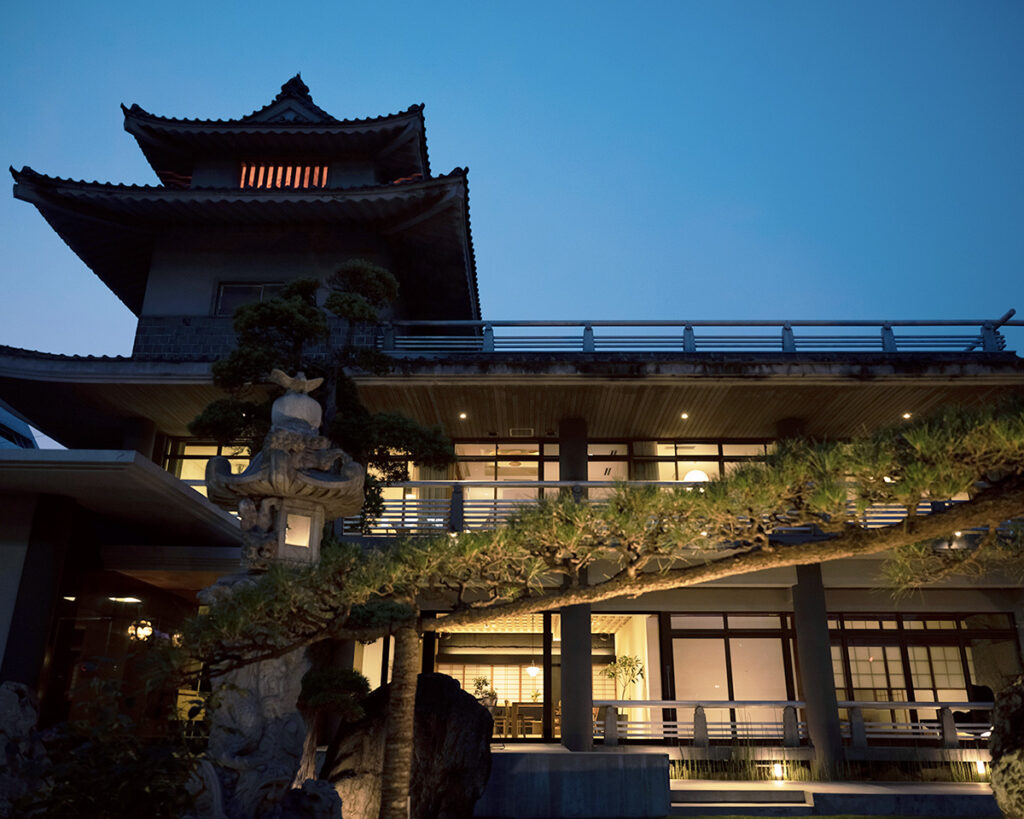
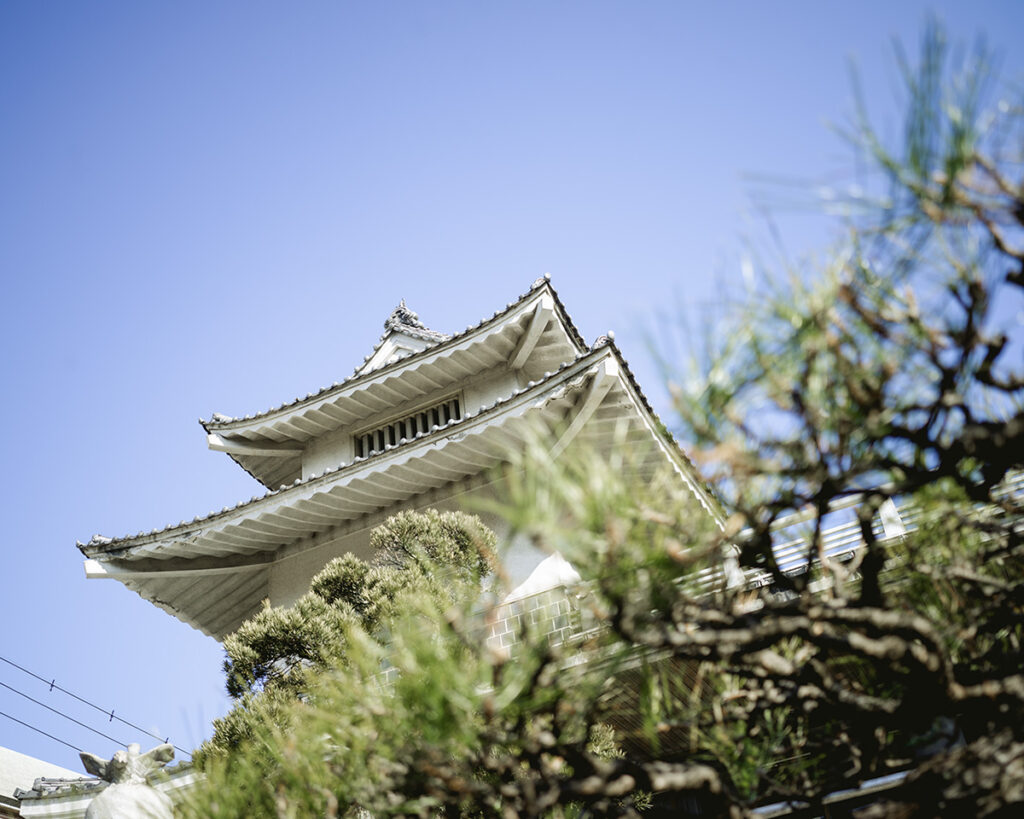
As the light shifts throughout the day, the castle-like tower reveals different dramatic expressions.
The estate’s first owner was Natsuji Anabuki, founder of Anabuki Komuten, who went from carpenter to construction company founder with the mission of rebuilding cities devastated in the aftermath of the war. The residence reflects his belief in enriching people’s lives through the homes they inhabit, expressed through the generous use of luxurious materials and a refined sense of grandeur.
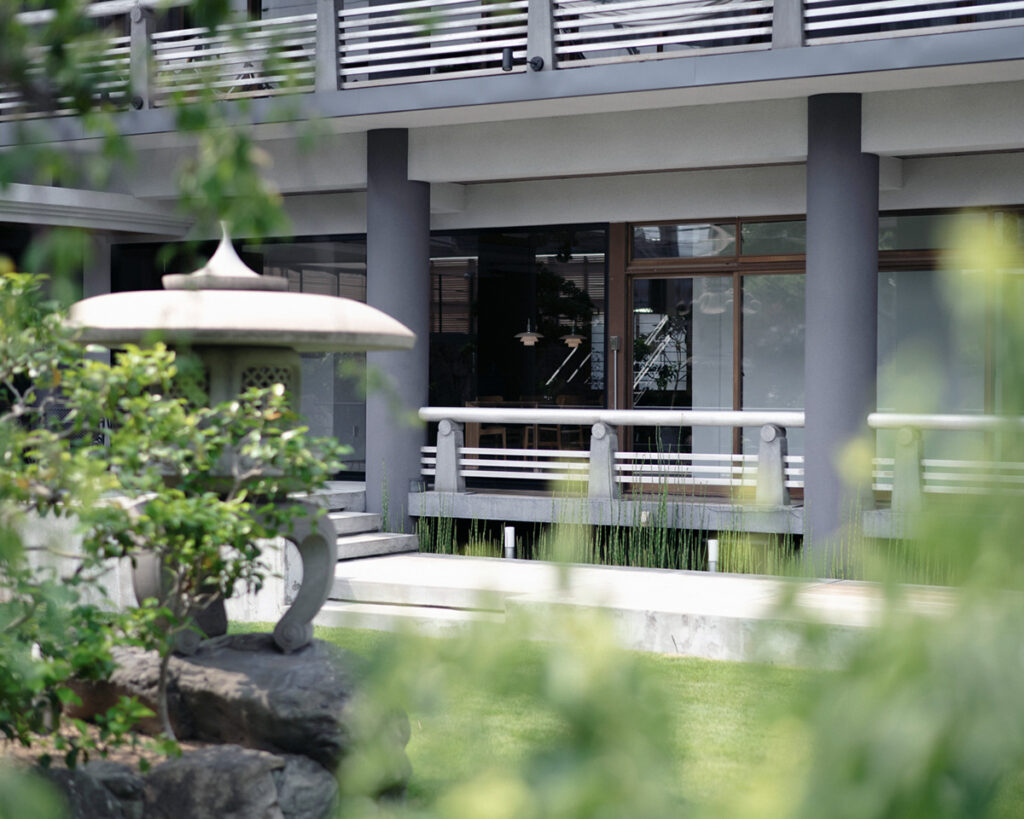
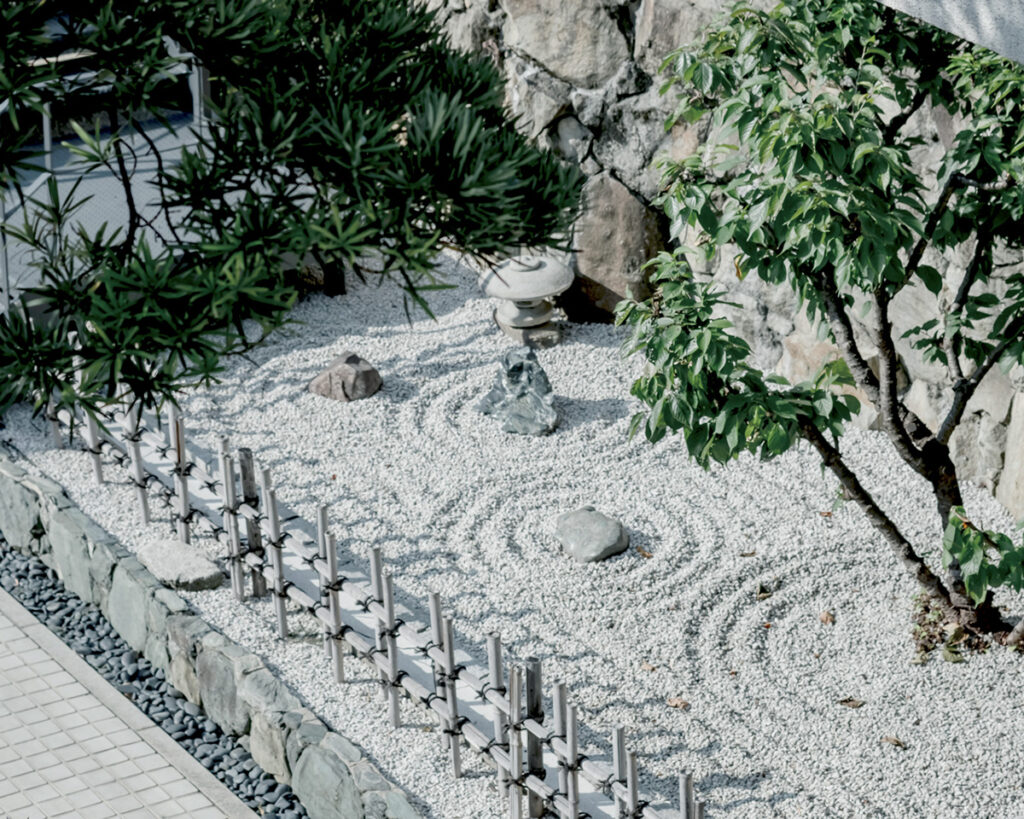
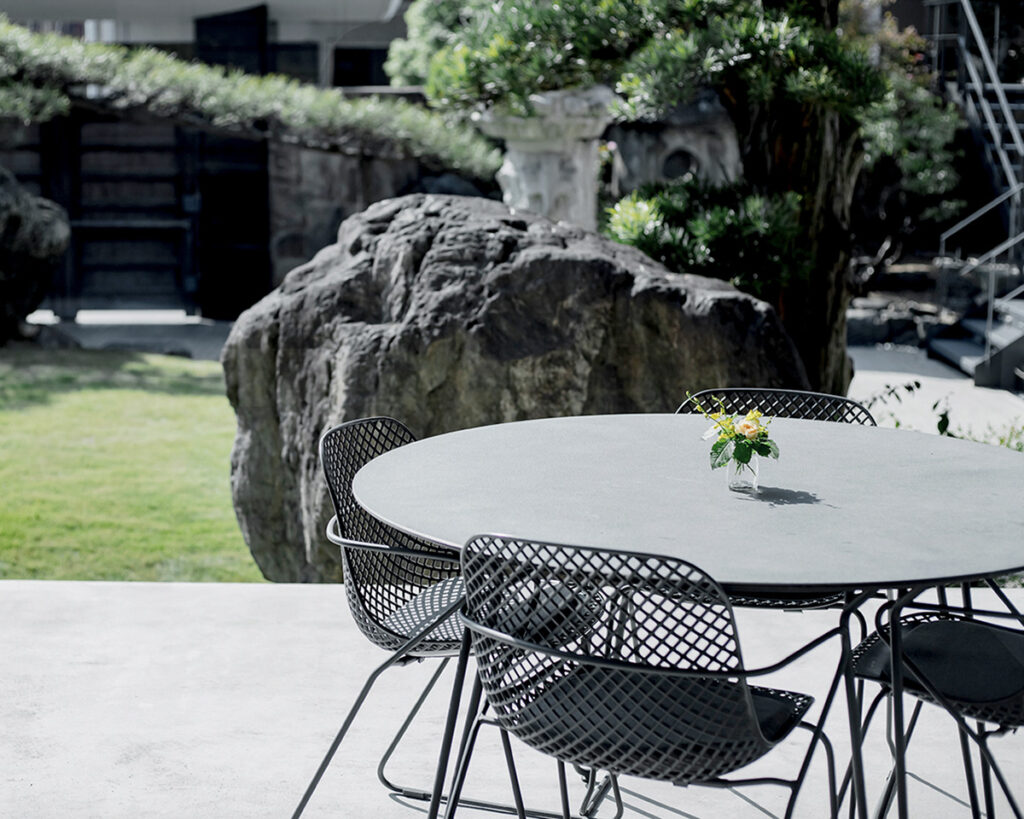
Built in 1970, Anabuki-tei is a private estate hotel quietly tucked away near Takamatsu Port. The Japanese garden was once home to a large koi pond and has since been reimagined with a contemporary sensibility.
After more than half a century, the grand residence stood vacant in 2015. With no one left to maintain it, the garden became overgrown, the building began to deteriorate, and the vitality that once filled the estate gradually faded away.
“I desperately wanted to preserve this home, both as a symbol of my grandfather’s life devoted to his hometown and as a place filled with our family’s memories,” says Eitaro Anabuki, the founder’s grandson and current owner of the estate. The solution he arrived at was to transform it into a lodging facility.
In 2020, the residence was reborn as a refined private estate hotel. Inspired by the Danish cocept of “hygge,” it draws a diverse range of guests, including affluent international travelers. “My grandfather expressed richness through the tangible form of a home. I want to carry that forward by creating a sense of richness for the heart. The methods may differ, but I believe the intention remains the same,” Eitaro explains.
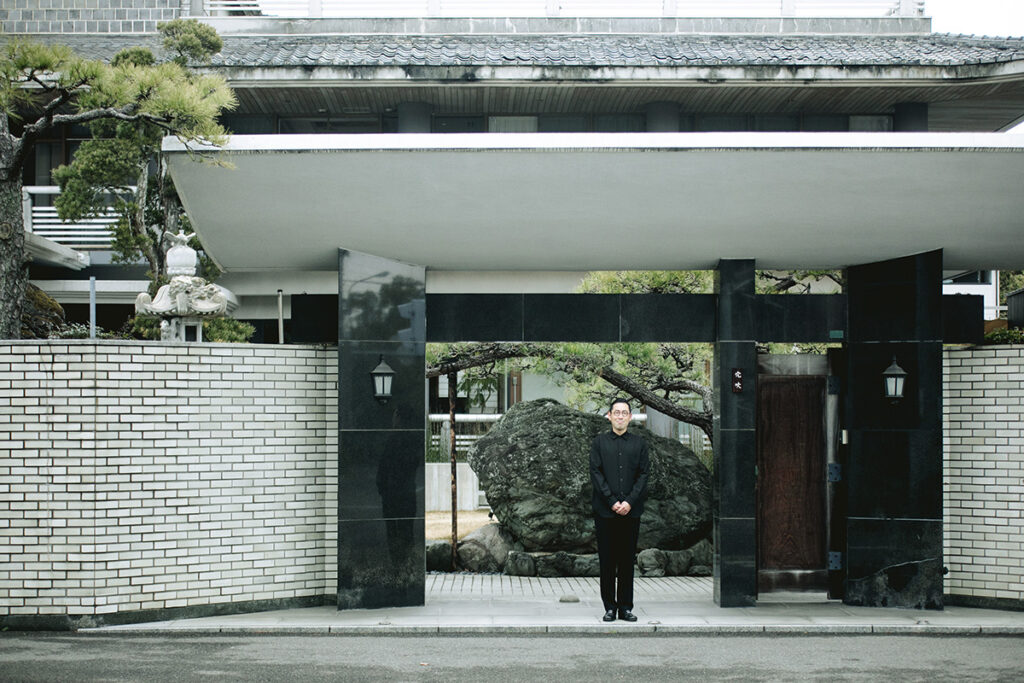
Eitaro Anabuki, the third-generation owner of the estate.
Eitaro Anabuki spent years refining his understanding of hospitality overseas and also has experience operating a guesthouse. Under his direction, the residence was carefully renovated to honor the vision of its original owner while preserving the context of the family life that unfolded within it.
Visitors are first welcomed by a dignified black pine tree over a century old, long regarded as the symbolic tree of the estate and one that Eitaro himself has looked up at since childhood. Continually maintained by the skilled pine caretakers of Ritsurin Garden, Takamatsu’s celebrated historic garden, its sculptural form resembles a living work of art.
The living room that was once shared by three generations of the family, now serves as both a reception room and private dining space for guests. Refined interiors furnished with Nordic pieces create a balance of quiet tension and warmth. Throughout the estate, great care has been taken to preserve the singular sense of story and atmosphere that could only emerge from a once-private home.
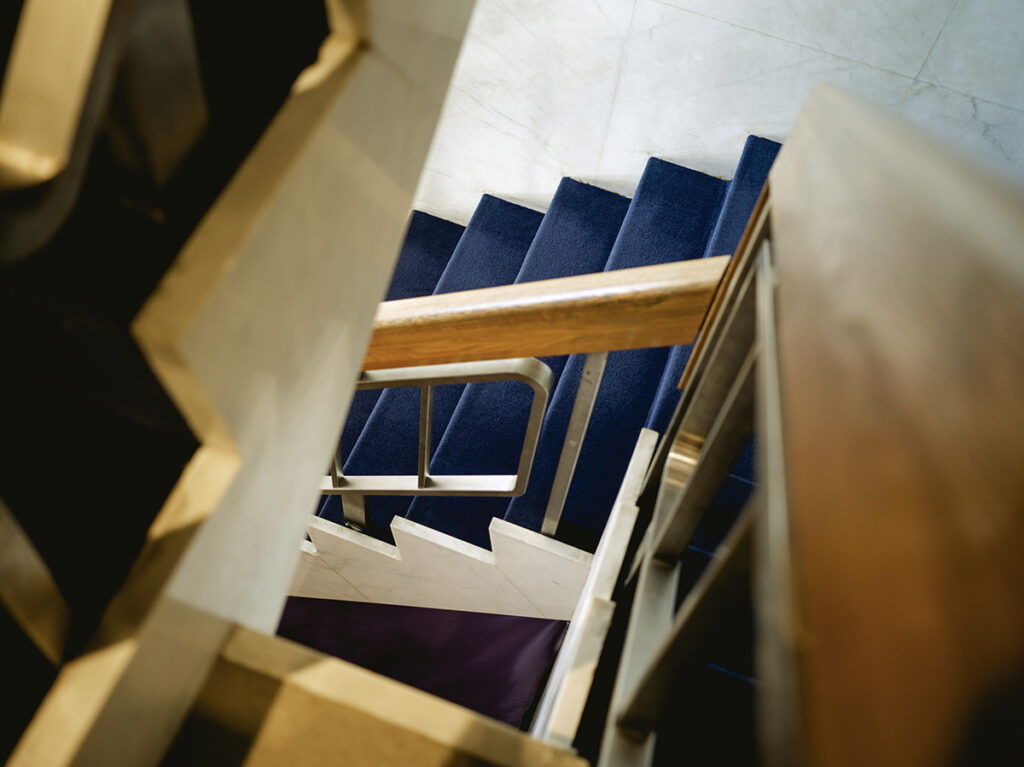
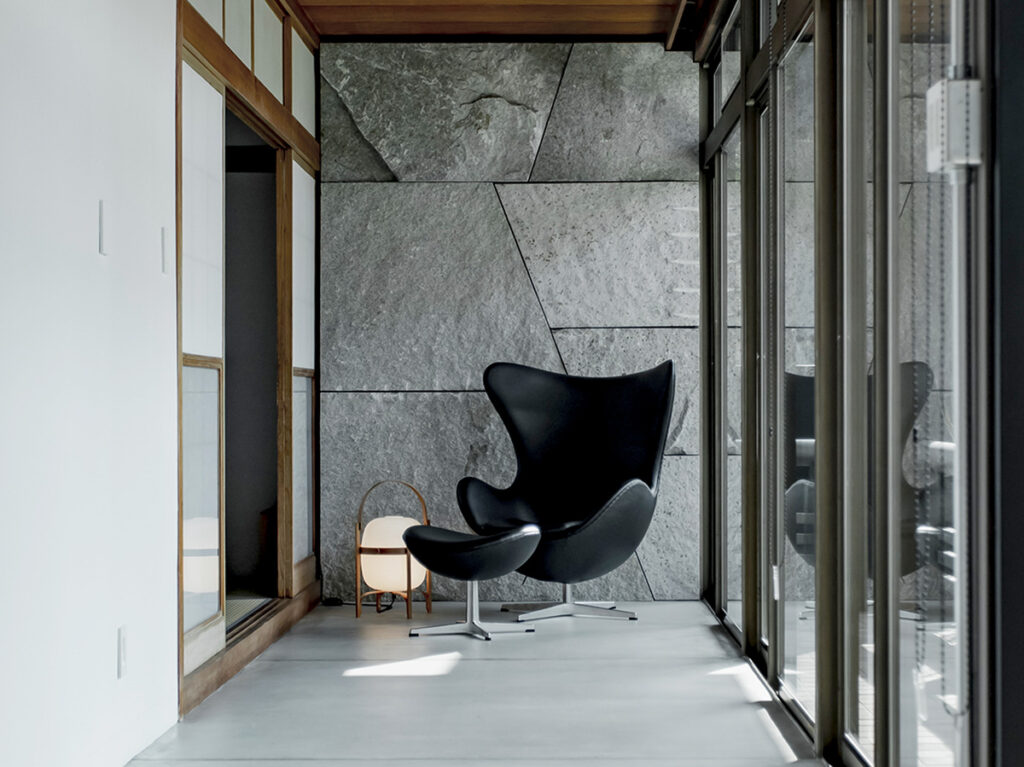
Original features from the time of the estate’s construction remain throughout the building, including marble staircases and walls made from Aji stone, one of Japan’s three great granites.
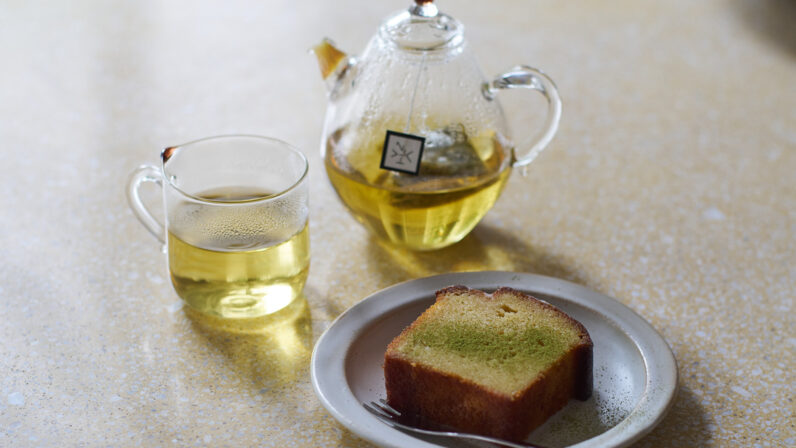
The coffee and tableware offered as part of the welcome service are carefully selected from local artisans and contemporary makers personally trusted by the owner. These personal bonds are what elevate the hospitality of Anabuki-tei into something uniquely rooted in the estate itself.
Through the estate, guests experience not only the sights of Kagawa, but a journey through its past, present, and future.
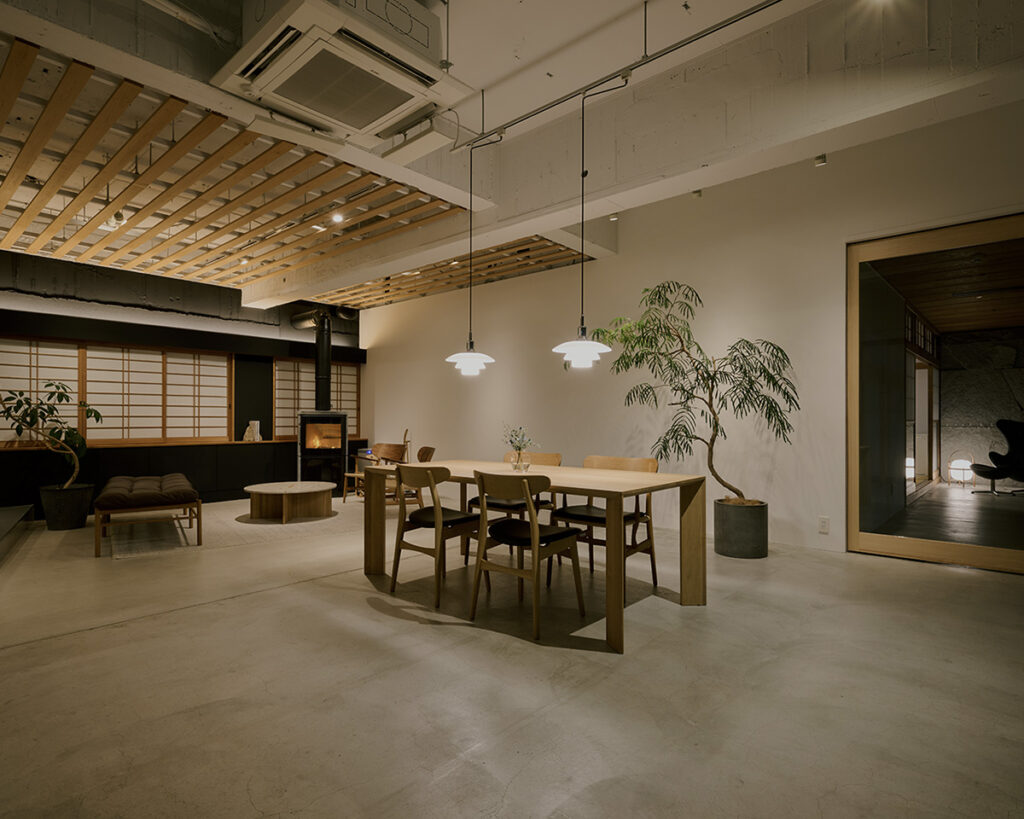
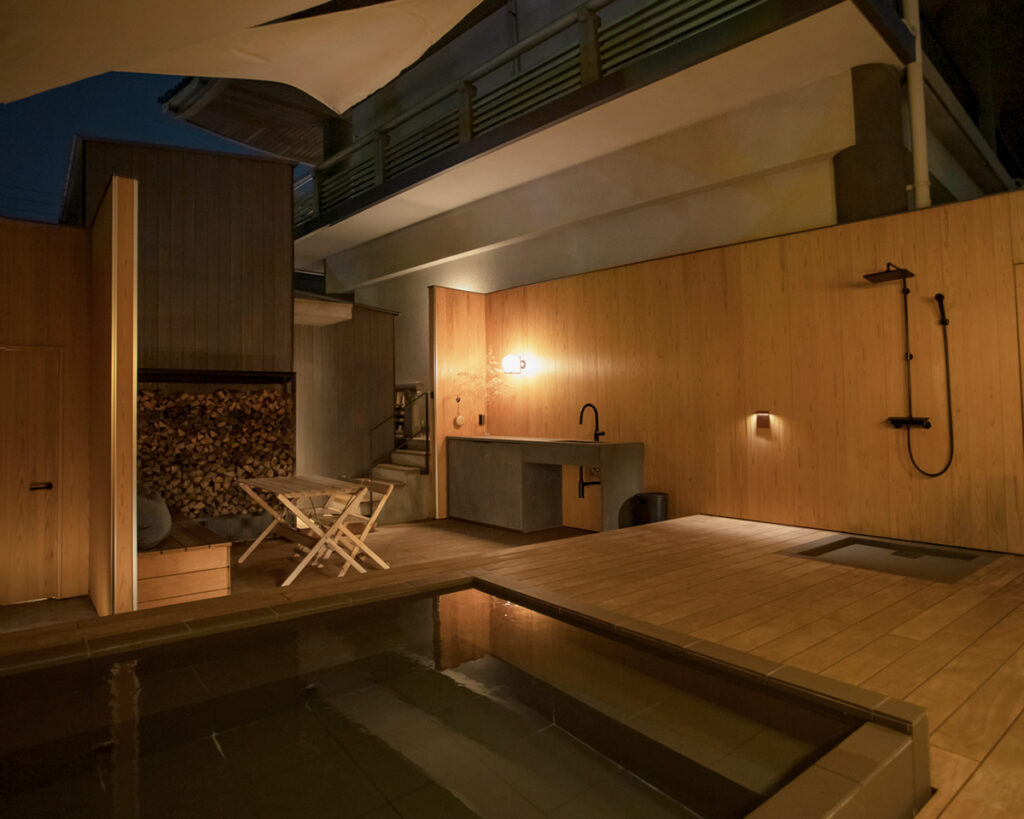
1st image: Reception & dining area
2nd image: Open-air bath with sauna
Anabuki-tei was reborn in April 2026. Following a renovation, the entire estate has been reconfigured into three master suite rooms, each equipped with a private bathroom. The design allows groups and families to stay comfortably while ensuring that each guest has a space to relax in privacy.
On the first floor, The Heritage Master Suite preserves the strongest traces of the building’s original architecture in a traditional Japanese-style room. On the second floor, The Modernist Master Suite features a Japanese-style room themed around George Nakashima and Isamu Noguchi, where the vitality of the furniture is balanced with a sense of refined stillness. Meanwhile, The Artisan Master Suite presents a more dynamic design, with works by contemporary artists bringing the space to life.
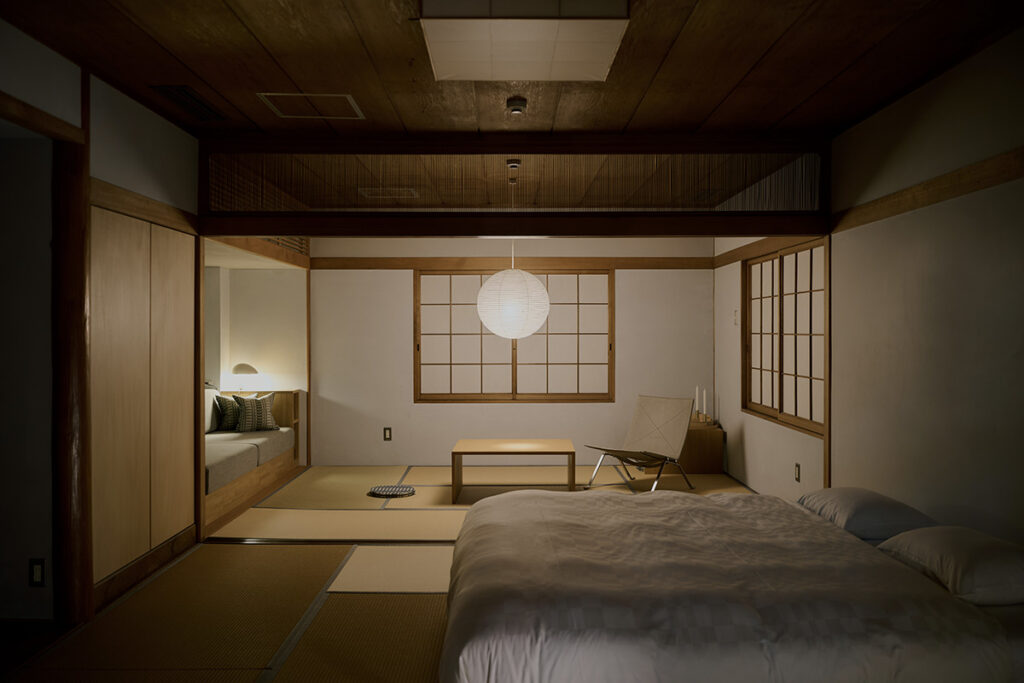
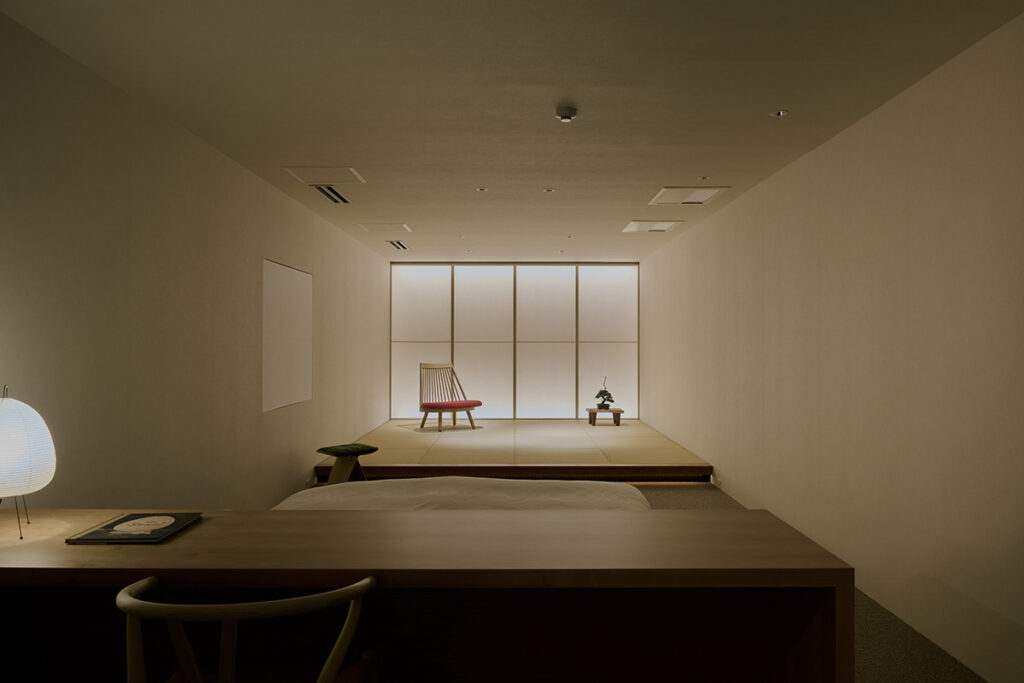
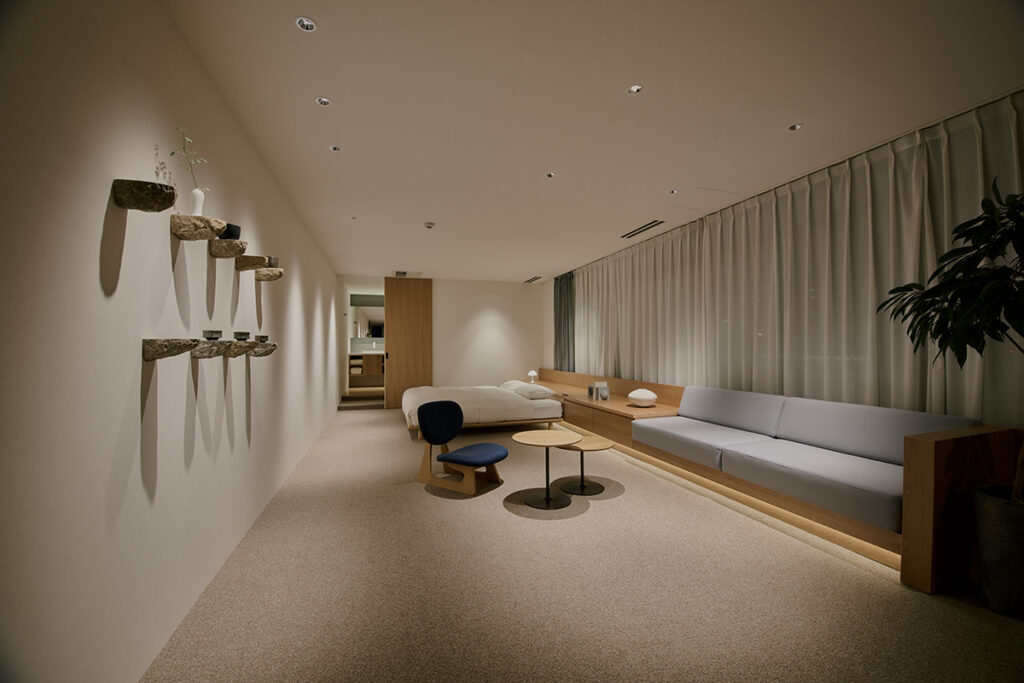
Image 1: The Heritage Suite
Image 2: The Modernist Suite
Image 3: The Artisan Suite
Alongside the appeal of the architecture itself, the concept of “jikyu” (time rest) introduces a subtle distance, one that frees guests from the constraints of scheduled time.
“Travel focused on sightseeing can easily turn into a kind of stamp rally. I want visitors to experience Takamatsu, Kagawa, with a sense of openness in time. This building is meant to create that sense of openness for time to unfold” says Eitaro.
At its core, this is an estate hotel defined by personal bonds, offering a kind of travel experience that moves beyond conventional luxury.
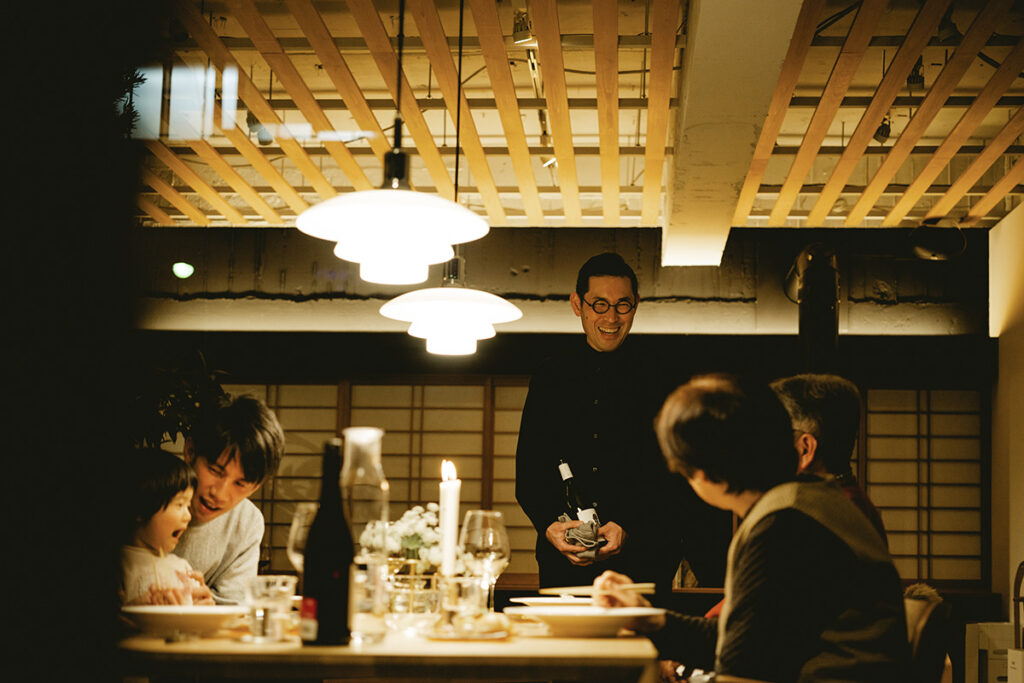
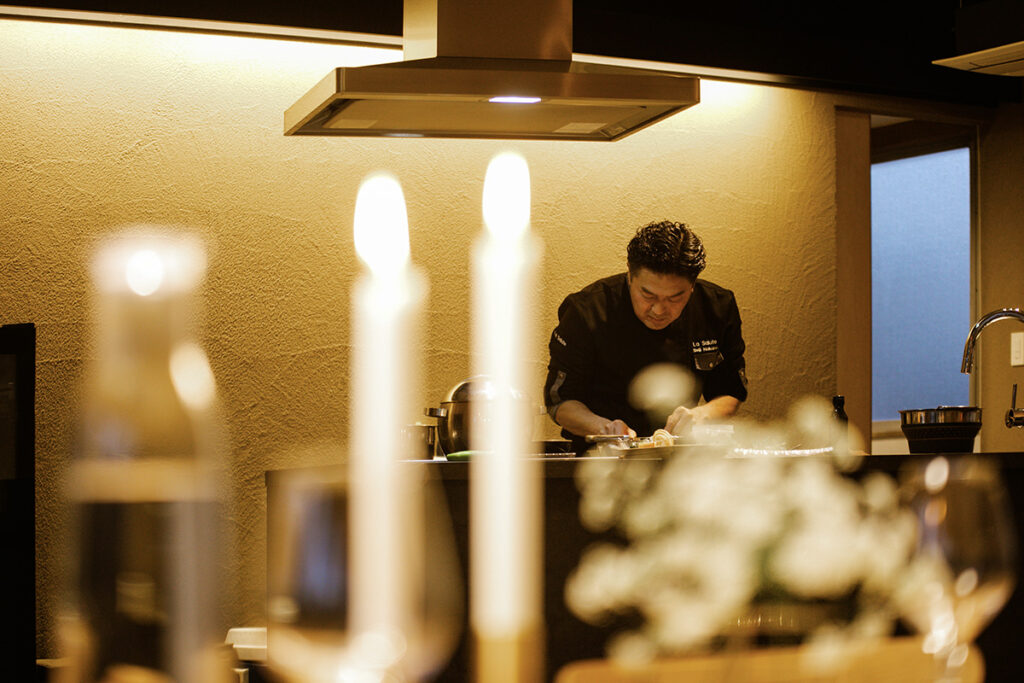
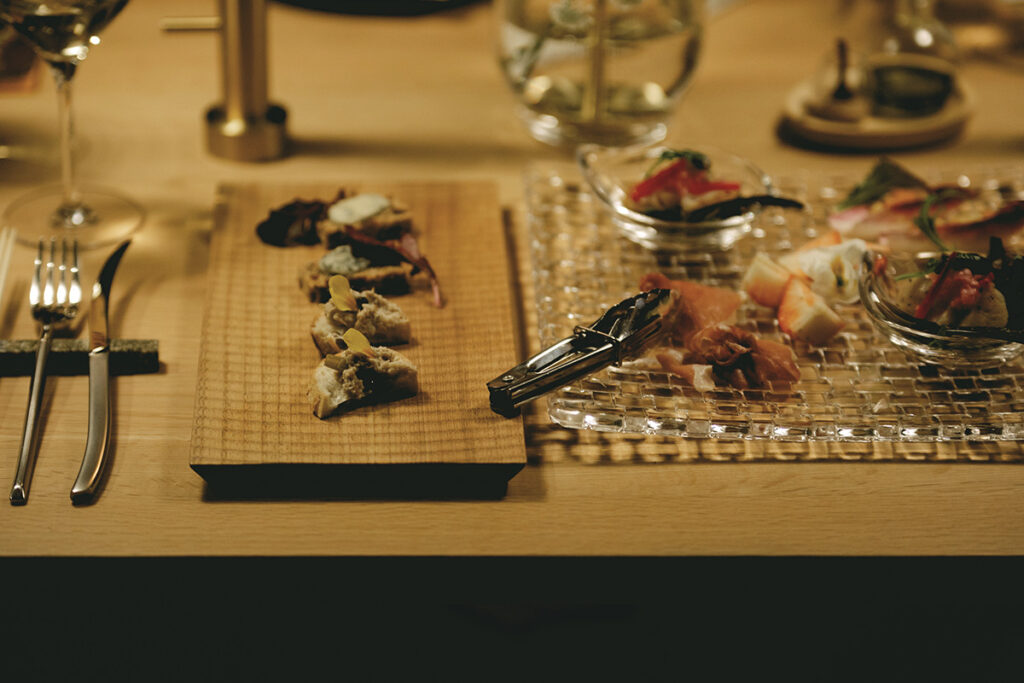
Dinner can be enjoyed in the dining room with private catering by French chefs or sushi artisans, while guests can also be guided to hidden local restaurants that are typically inaccessible without personal connections.
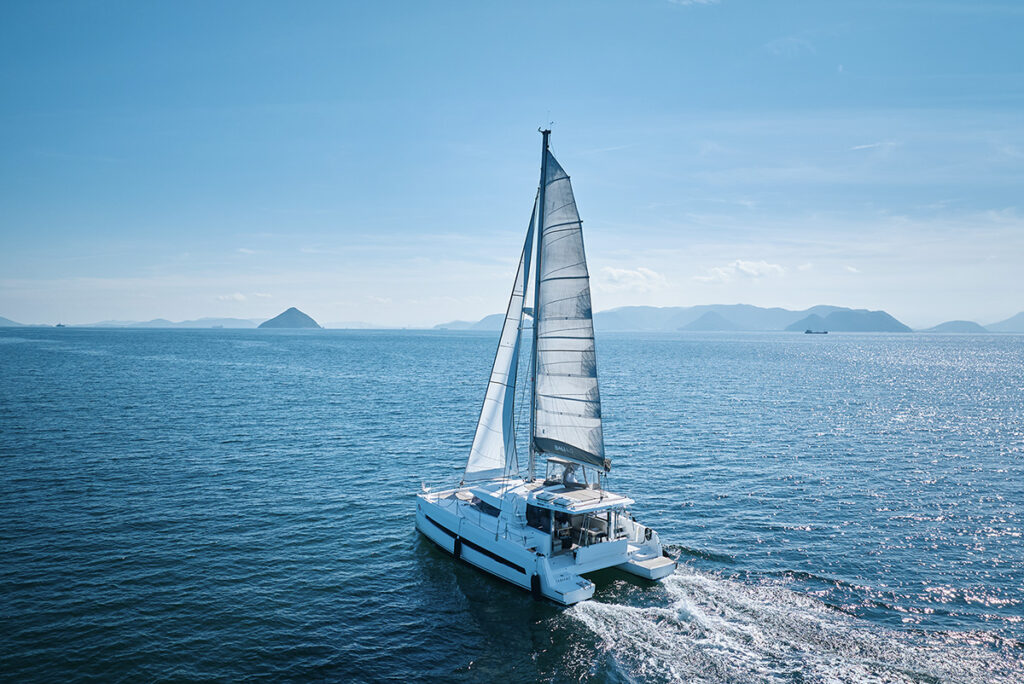
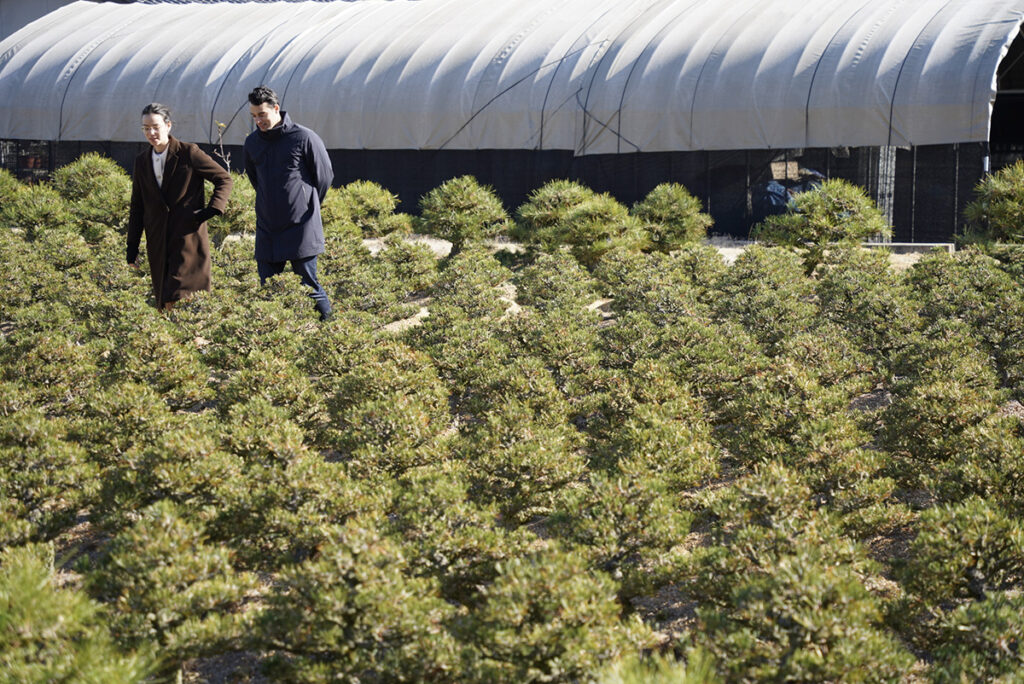
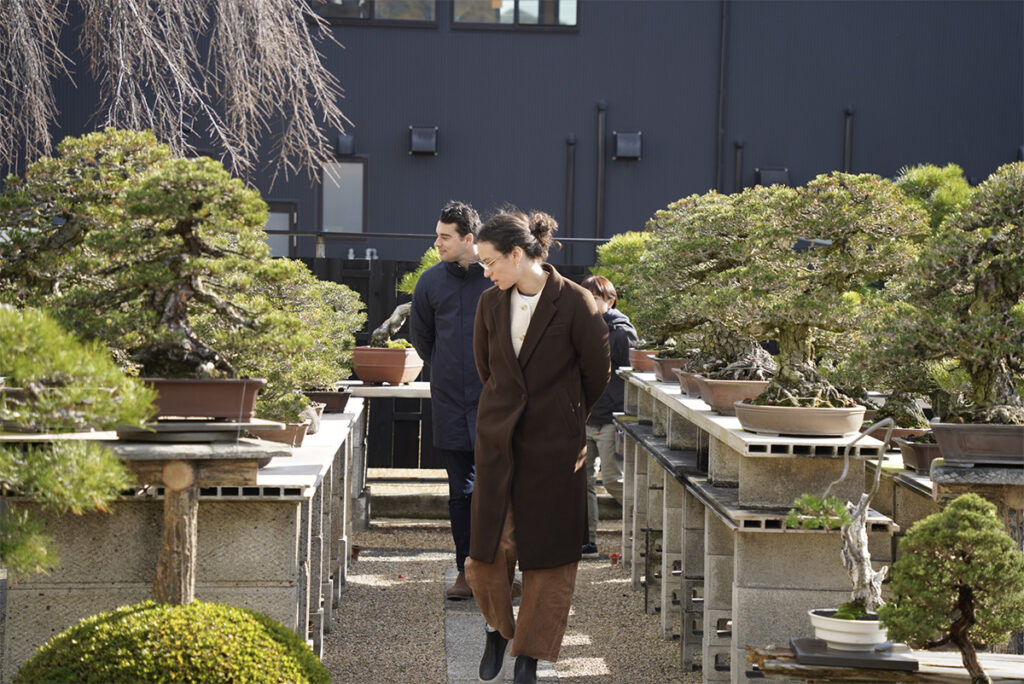
Whether it is island-hopping across the Seto Inland Sea or a private tour of Nakanishi Chinshoen, Kagawa’s premier bonsai nursery, even the destinations themselves can be tailor-made, far removed from conventional tour routes.
Anabuki-tei
Address: 1-7-15 Jotocho, Takamatsu City, Kagawa Prefecture
Website : https://www.anabukitei.jp/