(Photo courtesy of Smappa! Group)
A world-first exhibition is now being held in Shinjuku’s Kabukicho district, showcasing more than 300 “mameban shunga”, palm-sized woodblock prints from the Edo period.
At first, the question naturally arises: why Kabukicho, a neighborhood better known for nightlife and adult entertainment than art exhibitions? Yet walking its streets after dark, the faint sense of mischief and guilty pleasures somehow pairs perfectly with the exhibition. Shunga are a genre of ukiyo-e art that, while an important part of Japan’s cultural heritage, are also erotic in nature.
“A Small Love Story: The World of Mameban Shunga” serves as a bridging chapter in the cultural exhibition series “Shinjuku Kabukicho Shunga Exhibition WA“. In this report, I explore the full scope of this unique exhibition, along with the atmosphere experienced at the venues.
A Secret Art Tour: From a Traditional Noh Stage to a Host Club
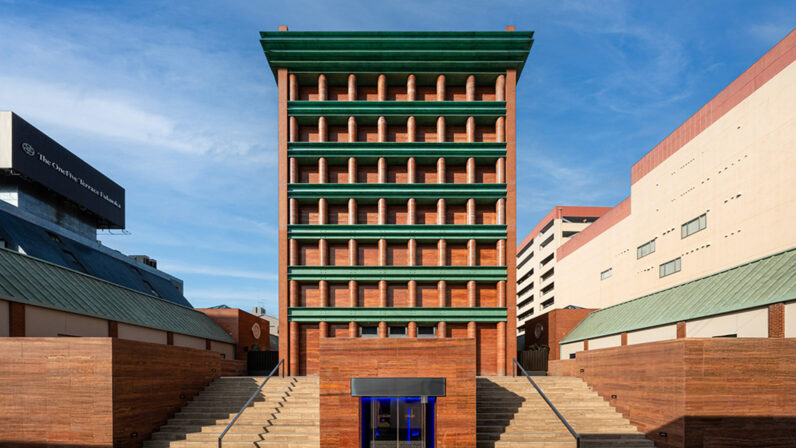
The exhibition is split between two venues. I first headed to the primary site, Shinjuku Kabukicho Noh Stage, where the reception is located. I had visited once before during the Kabukicho Art Night event BENTEN, but for first-time visitors the entrance may be a little hard to find. To get there, you pass through the garbage disposal area on the ground floor of an apartment building and climb the stairs to the second floor.


It feels like discovering a secret hideout.
Inside the venue, the lighting is kept low to prevent deterioration of the delicate works, allowing the stage to emerge softly from the darkness much like during a Noh performance. Display cases are arranged not only around the stage but also on it, with space for visitors to sit and view the works. With the setup, sitting directly on the floor feels almost as though you are looking at the shunga from the perspective of people in the Edo period.


(Photo courtesy of Smappa! Group)
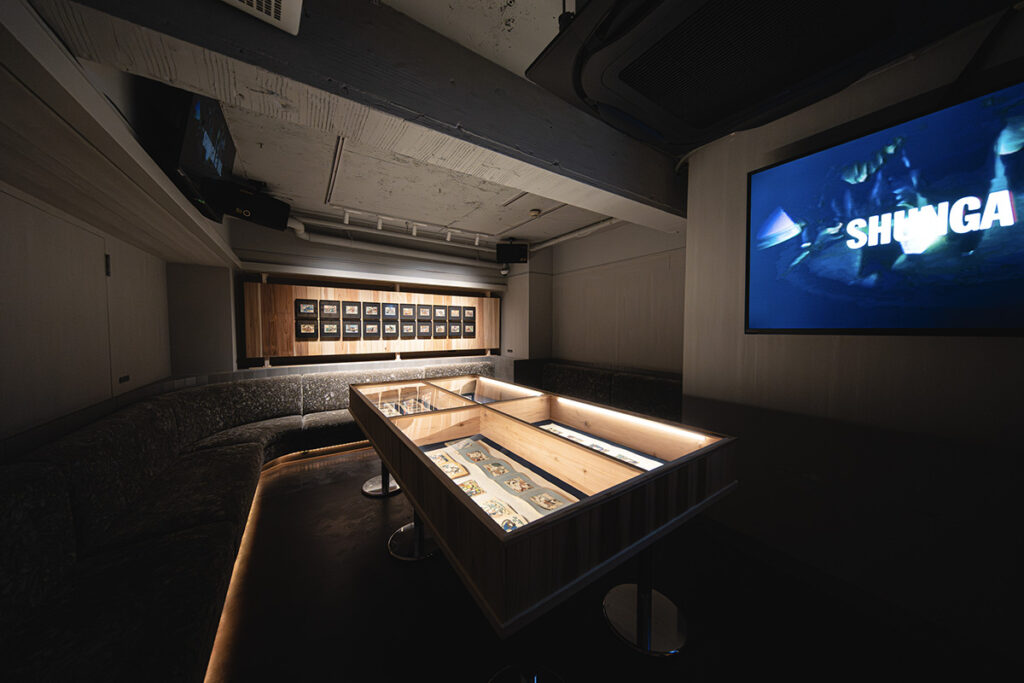
The second venue, the host club BOND, is about a three-minute walk away. The interior has been renovated for the exhibition and may feel a bit too moody for viewing art upon first thought. Yet considering the intimate nature of shunga, which was enjoyed quietly with someone else, the space feels perfectly suited to the experience.

(Photo courtesy of Smappa! Group)
A Shunga Exhibition in a Host Club? The Story Behind It
Why hold such a major art exhibition in Kabukicho, a district best known for nightlife? The answer lies in the significant hurdles involved in staging shunga exhibitions in Japan.
Shunga has long been subject to regulation in Japan, and even today it remains difficult to exhibit such works in public institutions. After the British Museum mounted a shunga exhibition in 2013, plans soon emerged to hold a similar show in Japan. Yet the exhibition didn’t materialize until two years later in 2015, largely because organizers struggled to secure a venue and sponsors. Holding such exhibitions in Japan still presents a number of challenges.
This exhibition is organized by Maki Tezuka, chairman of the Smappa! Group, which operates several host clubs and restaurants in Kabukicho. Well connected in the art world, he has also co-hosted events with the artist collective Chim↑Pom from Smappa!Group. Recognizing the importance of presenting shunga as a legitimate part of Japanese cultural heritage, he has since continued to stage shunga exhibitions in Kabukicho.
This mameban shunga exhibition showcases around 300 rare works from the personal collection of internationally renowned ukiyo-e collector Mitsuru Uragami. Although positioned as a prelude to the next installment of the Shinjuku Kabukicho Shunga Exhibition WA series, opening in April, the collection gathered here is so exceptional that it hardly feels like a mere warm-up.
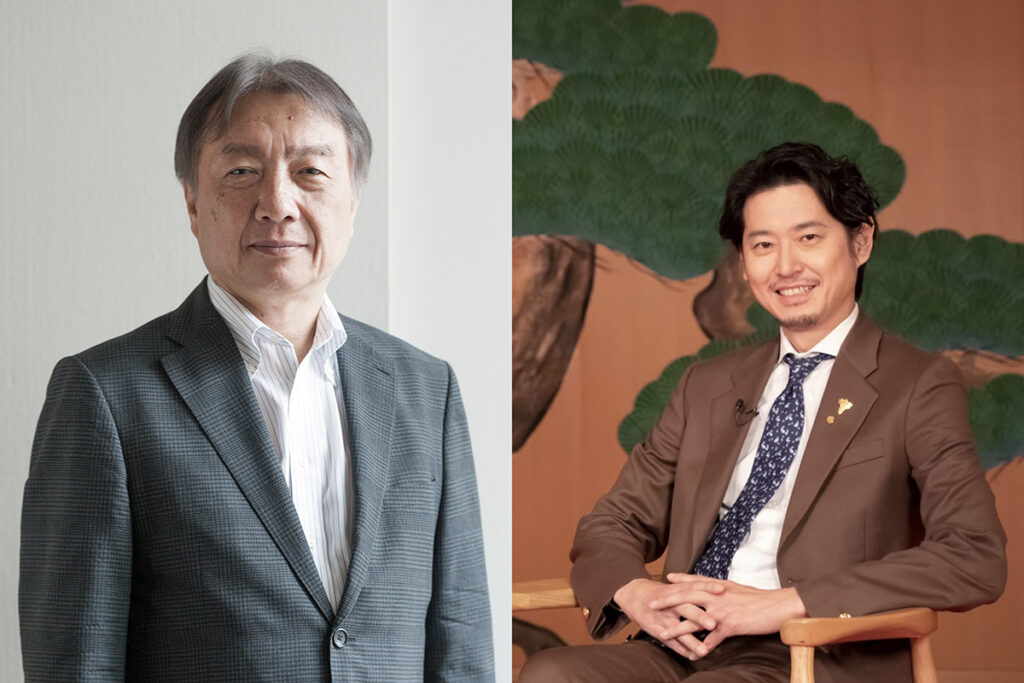
Left : Mitsuru Uragami Right : Maki Tezuka (Photo courtesy of Smappa! Group)
What Mameban Shunga Reveals About Japanese Sensibilities
Mameban shunga typically measure about 12.3 × 9 cm, roughly the size of a standard photo print. Many were originally sold at affordable prices in small bags containing sets of eight or twelve prints.
Their origins are often traced back to Edo-period calendars known as Daishō. These were sets of illustrated cards representing each month, distributed at the New Year much like greeting cards. Over time, shunga imagery began to appear in their designs. Daimyo are even said to have exchanged mameban shunga as a way of strengthening social ties. After all, in any era, a little risqué humor has always helped to break the ice and bring people closer together.


A lighted loupe is provided at reception, allowing visitors to examine the tiny shunga prints in detail.
As shunga, most of the works naturally depict sexual encounters between men and women. However, by looking beyond the main subject, other interesting aspects begin to emerge.
One is a sense of playfulness that feels surprisingly modern. Many of the works feature pop, charming designs, some also have gingham-check backgrounds and bright, colorful palettes. The packaging for mameban shunga, also reveal a playful design sensibility that would not feel out of place in contemporary merchandise. Parodies of classical literary works also seem to have been a popular theme.


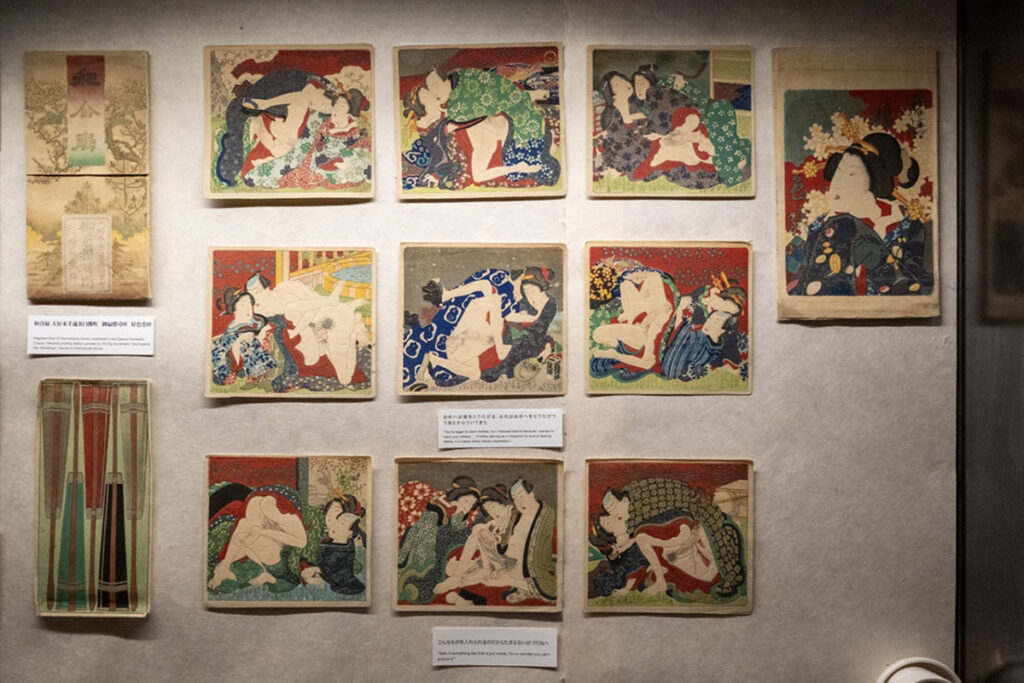

1: The gingham-check color palette is especially charming.
2: Scroll-like borders at both ends add a visual accent to the color scheme.
3: The bag at upper right originally contained the mameban set.
4: Tanzaku-style shunga, named after a type of Japanese sweet.
Another aspect well worth noting is the extraordinary quality of these works. They are woodblock prints, with a separate block used for each color and printed repeatedly in layers to produce their vivid tones. Even contour lines measuring less than a millimeter and individual strands of hair are areas of the wood that were carefully carved around and left intact. The precision required to layer these prints without the slightest misalignment represents a level of craftsmanship often said to be impossible to replicate today.

Though not visible in the photograph, the black fan is painted with a pigment that catches the light to reveal silver stripes when viewed from different angles.
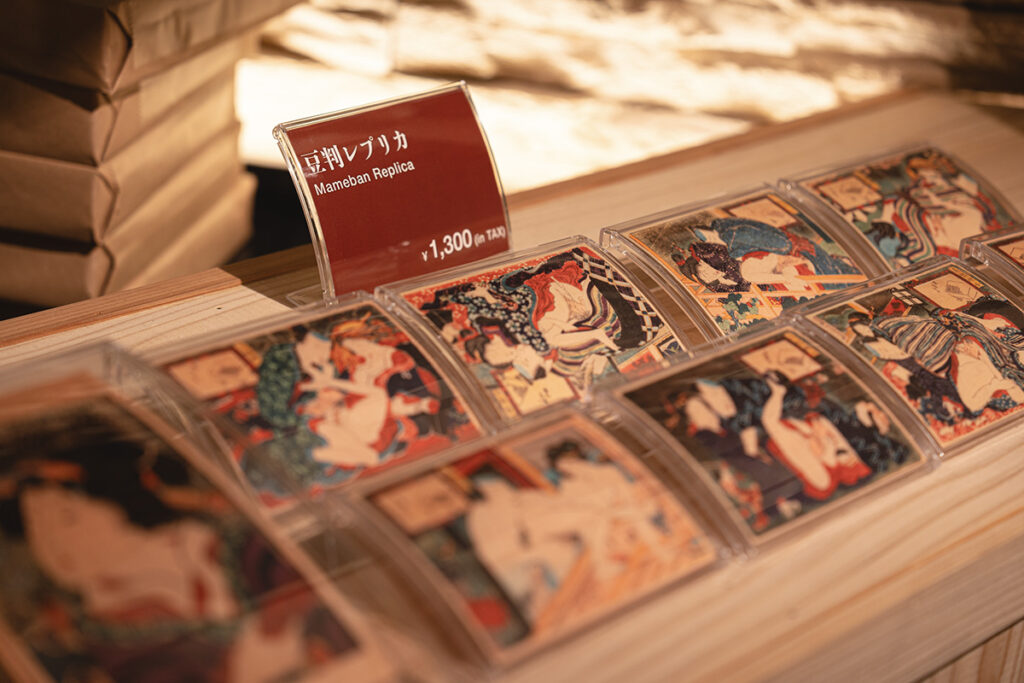
After taking in the shunga, visitors can stop by the original merchandise corner at the second venue, BOND, to pick up a souvenir. The designs are cleverly made so they don’t obviously appear to be shunga, making them easy to wear or use in everyday life. There are also card sets and replicas that allow visitors to experience the size of mameban shunga, making it fun to show them to others or exchange them, much like people did in the past.

Mameban Shunga and Attitudes in the Edo-Period
Shunga may not be the kind of artwork that can easily be displayed in public spaces. Yet the values we hold today are far from fixed, having shifted and evolved over time.
We are, after all, animals. Just as eating and sleeping are natural, so too is sexual activity. The openness toward sexuality in the Edo period perhaps reflects how people of the time viewed sex not as a hidden taboo, but as something lighthearted that could be enjoyed by everyone.
When viewing shunga, it may help to imagine living in the Edo period, sharing these palm-sized cards with friends or acquaintances, laughing together, and bonding over their playful depictions of intimacy. Doing so allows their unique charm to come into sharper focus, while also offering a glimpse into how people of the time understood pleasure, humor, and social connection.
This exhibition runs until March 15, but beginning on April 4, the exhibition “A Contest of Allure: Hokusai and Eisen, Kabukicho in Full Bloom” will be held as part of the Shinjuku Kabukicho Shunga Exhibition WA series. If your interest has been piqued, it is well worth paying that exhibition a visit as well.
A Small Love Story: The World of Mameban Shunga
Shinjuku Kabukicho Shunga Exhibition WA – Bridging Chapter
Dates: February 14 (Sat) – March 15 (Sun), 2026
Venues: Shinjuku Kabukicho Noh Stage (Reception) and BOND
Website: https://www.smappa.net/shunga/exhibition/ex15.html

A Contest of Allure: Hokusai and Eisen, Kabukicho in Full Bloom
Shinjuku Kabukicho Shunga Exhibition WA
Dates: April 4 (Sat) – May 31 (Sun), 2026
Venue: Shinjuku Kabukicho Noh Stage
Website: https://www.smappa.net/shunga/exhibition/ex20.html