A short walk uphill from JR Kyoto Line’s Yamazaki Station toward Mount Tennozan, beyond a very brief tunnel, stands a refined, historic residence. The villa was built by Masataro Kaga, an entrepreneur who lived through Japan’s turbulent years from the Meiji era to the postwar Showa period. A man of many talents, Kaga began work on his retreat here in 1912. He took a hands-on role in designing both the building and its gardens, a process that took nearly 20 years to complete. He named the finished residence Oyamazaki Villa.
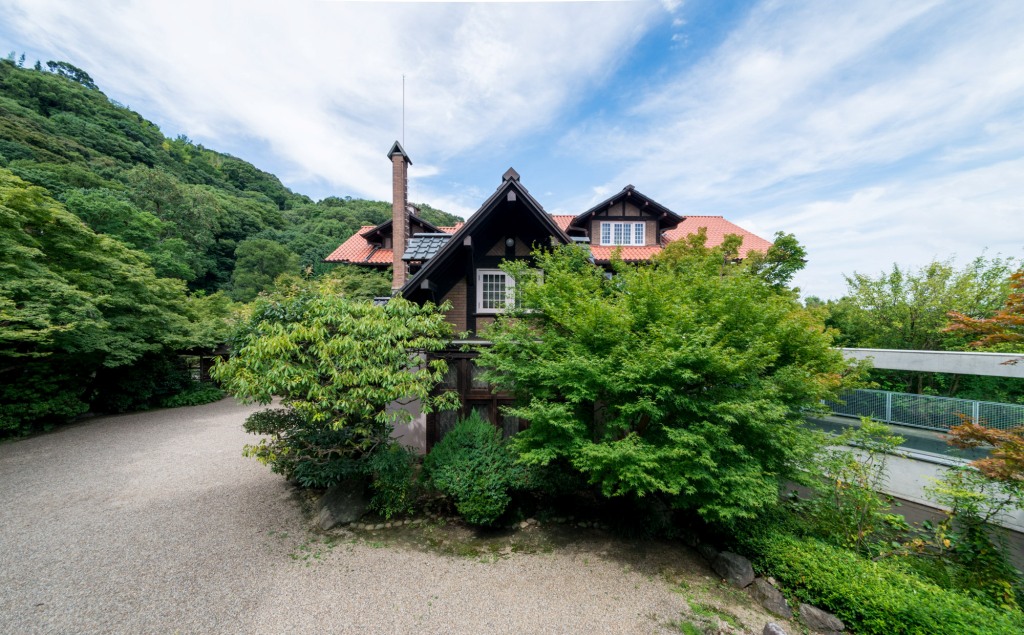
Photo courtesy of Asahi Group Oyamazaki Villa Museum of Art
After Kaga’s death, Oyamazaki Villa passed through the hands of several owners. By the end of the 20th century, it had deteriorated significantly and was close to being lost to redevelopment. In response, a preservation movement took shape to protect the villa’s cultural value. Working in partnership with Kyoto Prefecture and Oyamazaki Town, Asahi Breweries, Ltd. (now Asahi Group Holdings, Ltd.) restored the site and reopened it as the privately run Asahi Beer Oyamazaki Villa Museum of Art. Renamed the Asahi Group Oyamazaki Villa Museum of Art in 2023, the museum celebrates its 30th anniversary this year
Western-Style Architecture with Eastern Influence
During the first phase of construction, Kaga is said to have drawn inspiration from the coal miners’ houses he encountered while studying in the UK. The building that remains today, completed after a second phase of work, also recalls the look of an English Tudor-style residence. While the interior largely follows this Western design, subtle touches of Eastern aesthetics appear throughout, creating an intriguing contrast. One such detail can be found in the metal fittings of the tiled fireplace, where Chinese-style patterns and lion motifs are incorporated.
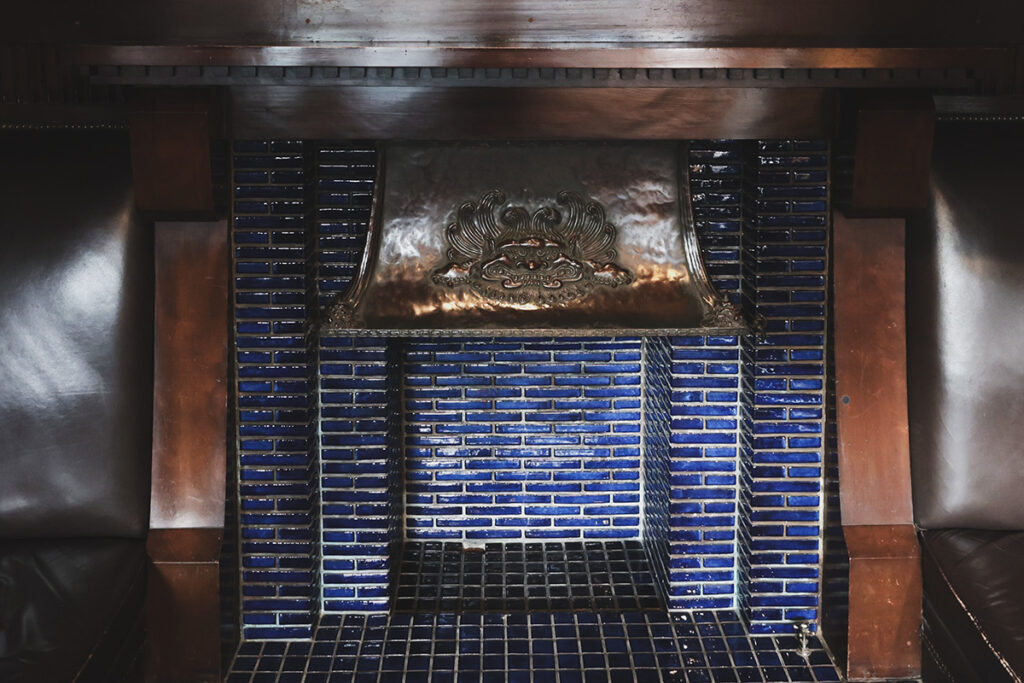
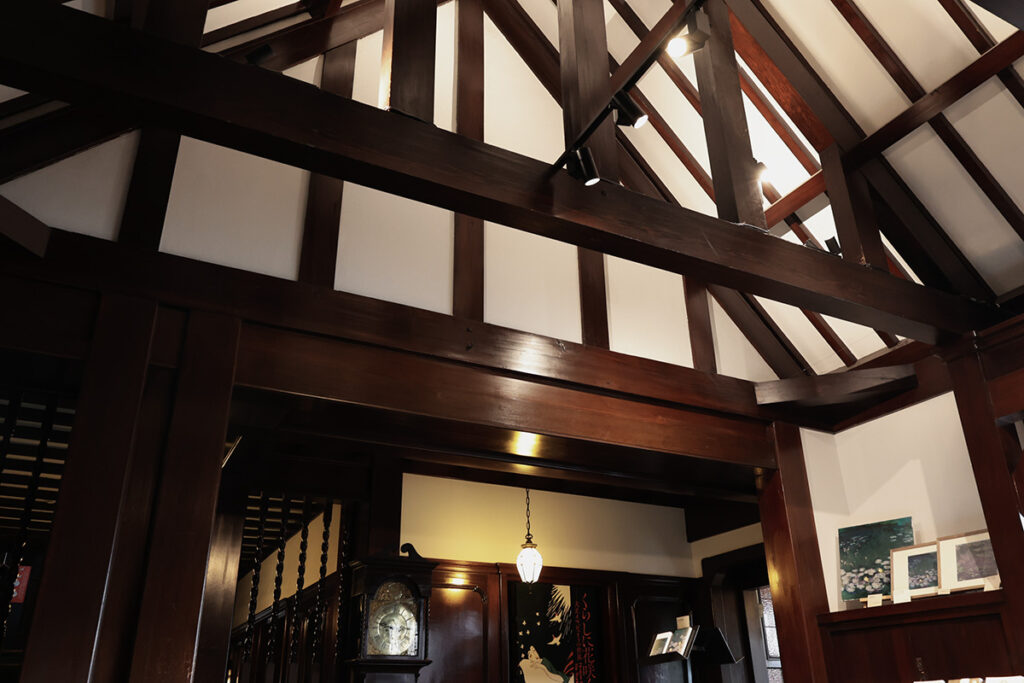
The building is composed of a three-story section and a single-story wing that houses the fireplace and the museum shop. Exhibition spaces are located on the first and second floors, while the third floor is not open to the public.
Art Shaped by the Rise of Print Culture
During our visit in January, a special exhibition titled Designs That Bloom in Everyday Life: The World of Taisho Imagerie was on display. “Imagerie” is the French word for pictorial imagery. During the Taisho era, when publishing culture was thriving, painters and graphic designers found opportunities to showcase their work through book and magazine covers and illustrations. They also gained recognition in the world of picture postcards and posters.
Many of the pieces show the influence of French Art Nouveau and Art Deco, while blending harmoniously with traditional Japanese aesthetics, creating a style all their own. The exhibition brought together around 320 of these works in one place.
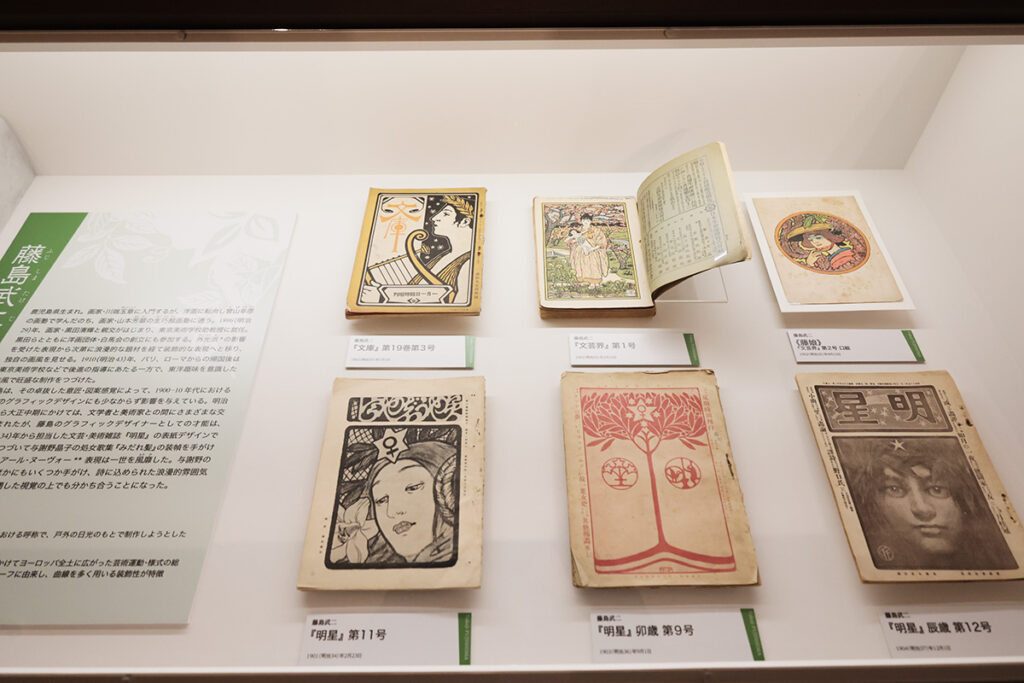
Among the most notable figures is the Western-style painter Takeji Fujishima. From the literary magazine Myojo, first published in 1900, to publications such as Bunko and Bungeikai, he produced numerous cover illustrations and artwork. The works on display here clearly reflect the elegant, Art Nouveau-inspired atmosphere of his time.
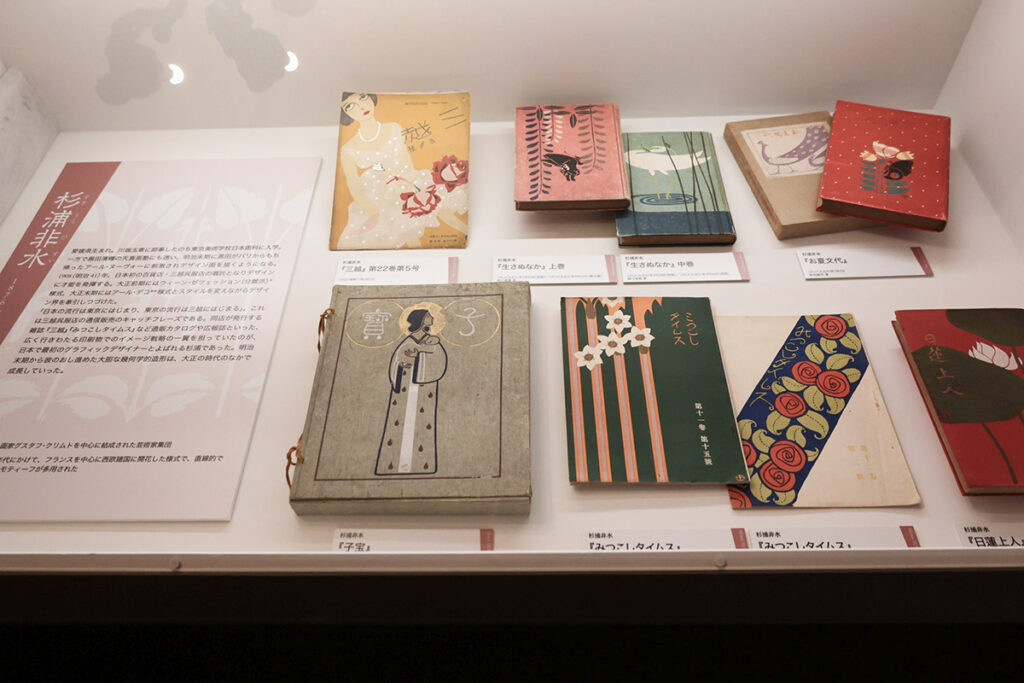
The exhibition also features numerous works by Hisui Sugiura, widely recognized as Japan’s first graphic designer. He made a name for himself designing mail-order catalogs for Mitsukoshi Gofukuten, Japan’s first department store (now Mitsukoshi), and quickly became a trendsetter. Even today, his innovative style still impresses with its originality and boldness.
Defining Works of Taisho Romanticism
At the landing of the staircase leading to the second floor, a stunning stained-glass window catches the eye. Said to have been brought from Europe by Kaga, it holds artistic value in its own right.
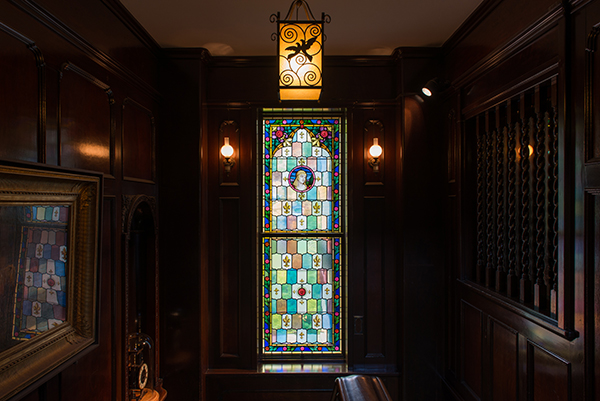
Photo courtesy of Asahi Group Oyamazaki Villa Museum of Art
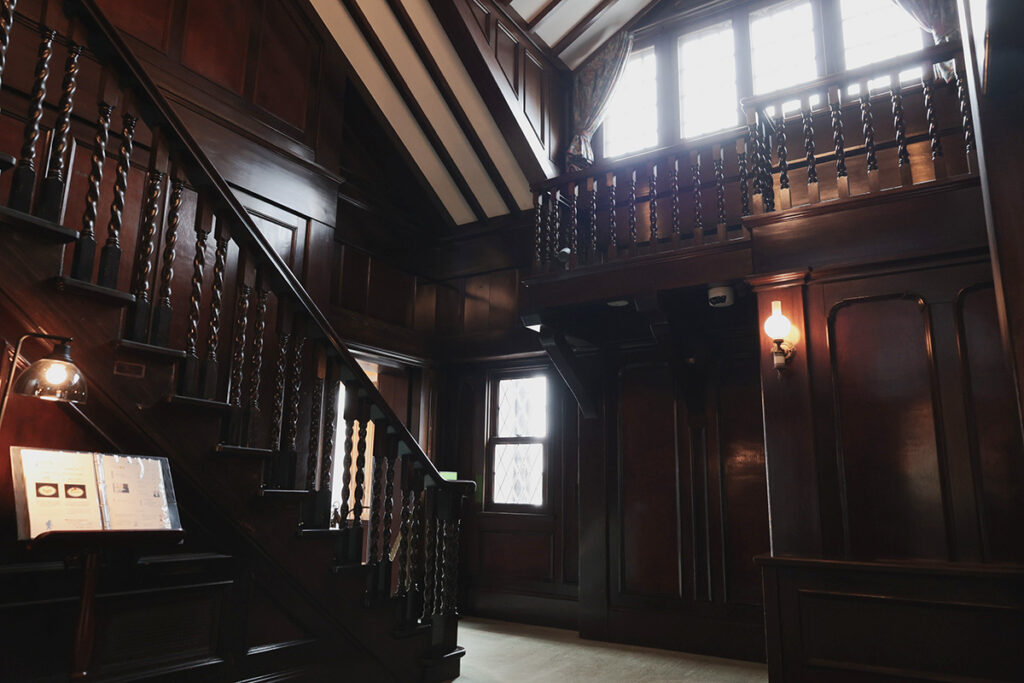
At the top of the stairs, you enter a space that opens onto the café and exhibition rooms. Kaga reportedly would invite friends here to dance to live music.
Descending the stairs leads to an exhibition room displaying the works of Yumeji Takehisa. Through magazine and sheet-music cover illustrations, visitors can glimpse different facets of this leading painter of Taisho Romanticism.
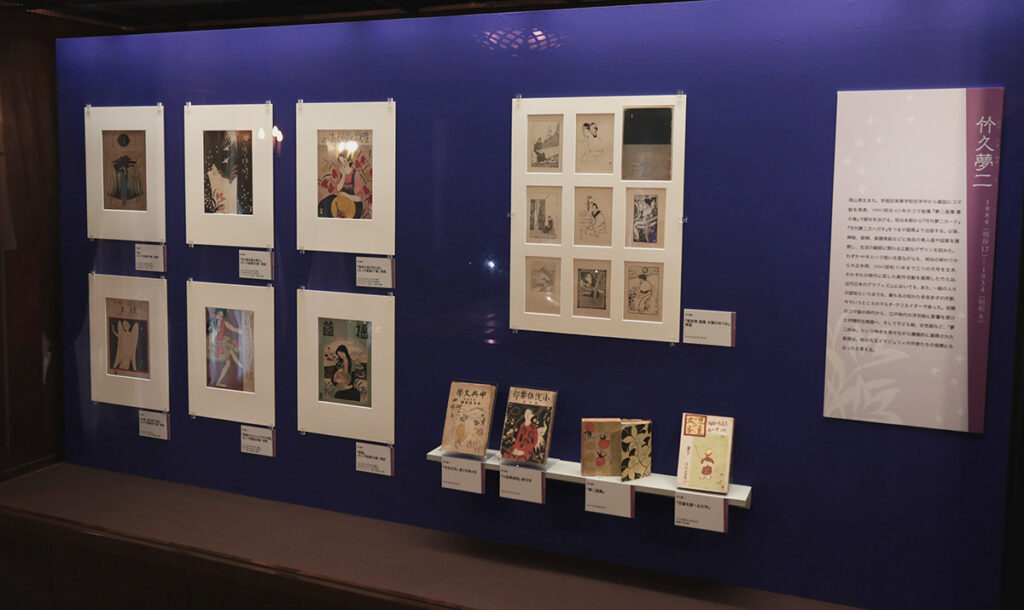
Designs That Won the Hearts of Taisho-Era Maidens
During his time studying in Europe, Kaga was captivated by orchids, and after returning to Japan he threw himself into cultivating them. At the time, a greenhouse next to the villa nurtured some 10,000 orchid plants.
Although the greenhouse no longer exists, it has been replaced by a separate building called the Dream Box, designed by architect Tadao Ando. The imagerie on display here is wonderfully varied, but the pieces that stand out most are the illustrated envelopes and postcards from the Taisho era. All were designed by graphic artist Kaichi Kobayashi and were known to have been especially popular among young women of the time.
1925-26年頃-さくら井屋(京都)-647x1024.jpg)
Postcard set by Kaichi Kobayashi, Young Girls of Second Street (detail), circa 1925–26, Sakuraiya, Kyoto
In Awe of Monet’s Water Lilies
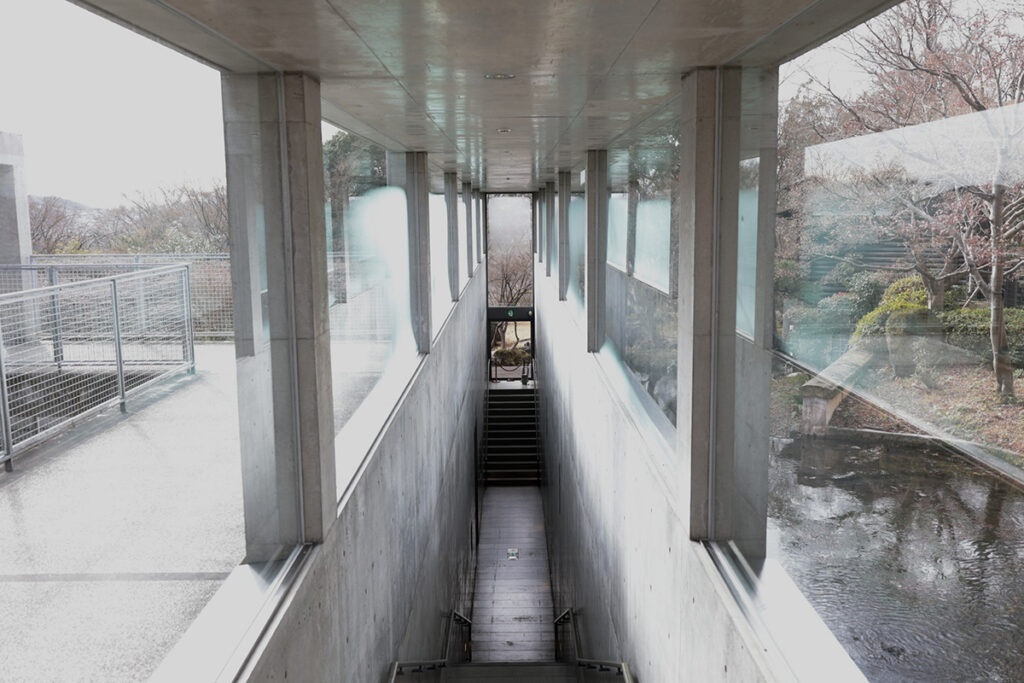
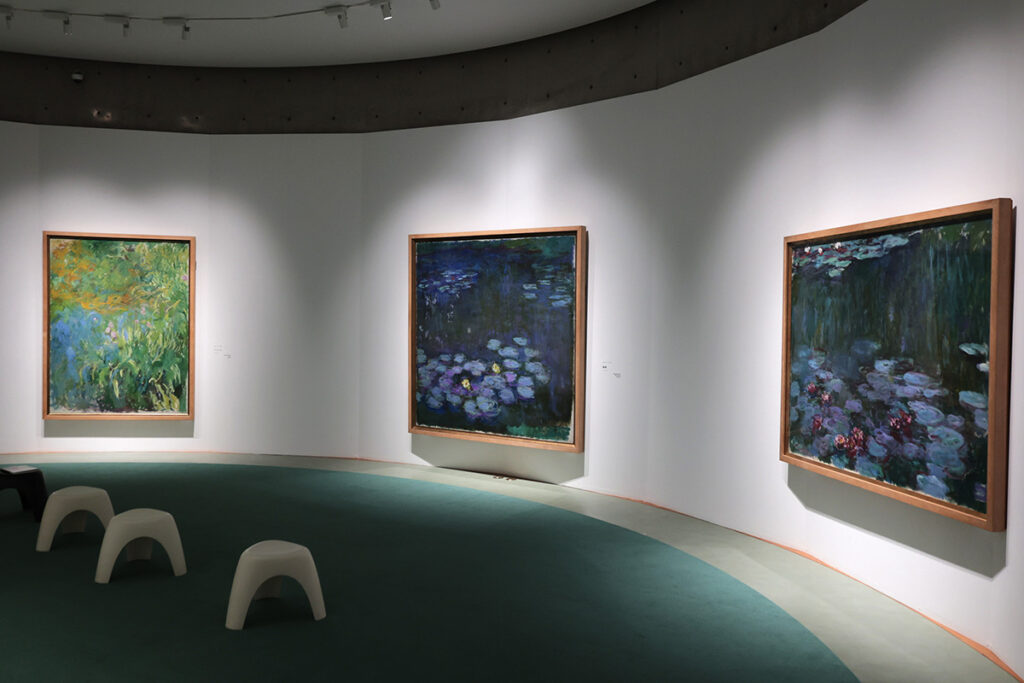
The museum also includes another new building designed by Tadao Ando, called the the Underground Jewel Box. As its name suggests, it is partially underground. Visitors descend a staircase framed by glass and concrete, arriving at a striking cylindrical exhibition space.
Three paintings from Claude Monet’s Water Lilies series were on display there. These are part of the museum’s collection of eight Monet works. Their impressive scale and delicate, dreamlike brushstrokes leave a lasting impression when seeing them in-person.
Ten orchid paintings are also displayed facing the Water Lilies.
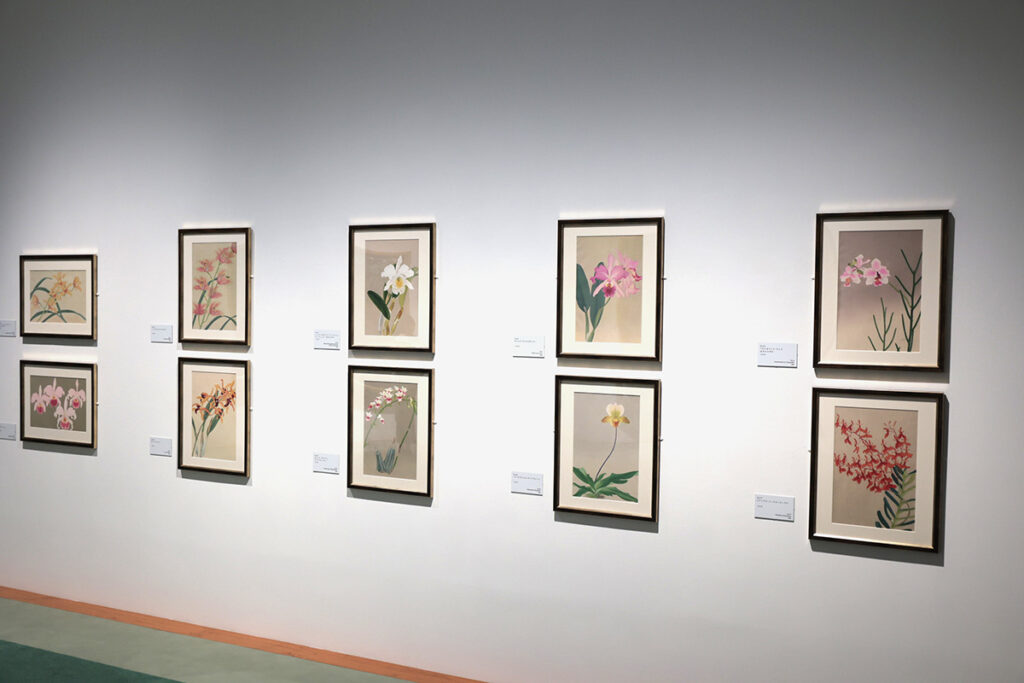
These works were created at Kaga’s request, with the painter Mizuki Ikeda producing the original drawings and the images rendered using woodblock printing techniques. Kaga compiled over 100 of these prints into a collection titled Ranka-fu (Orchid Album). All of the orchids depicted were ones he had personally cultivated, reflecting his deep and abiding love for the flowers.
Although the museum is not large, it is packed with highlights, from the building itself to the exhibitions on display, offering endless charm. The surrounding grounds are equally enchanting, with camellias in winter, cherry blossoms in spring, water lilies in early summer, and maples in autumn, creating a sense of seasonal renewal. For those looking to experience a side of Kyoto beyond the bustling city center, the museum is a highly recommended destination.
Asahi Group Oyamazaki Villa Museum of Art
Address: 5-3 Zenihara, Oyamazaki Town, Otokuni District, Kyoto 618-0071, Japan
Hours: 10:00 a.m. – 5:00 p.m. (last entry 4:30 p.m.)
Closed: Mondays (or the following Tuesday if Monday is a holiday), occasional closures, New Year holidays
Website: https://www.asahigroup-oyamazaki.com/english/
Instagram: @asahibeer.oyamazaki/