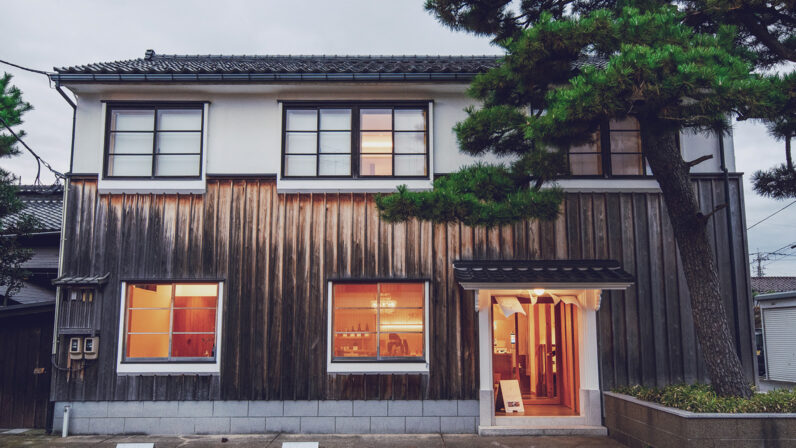
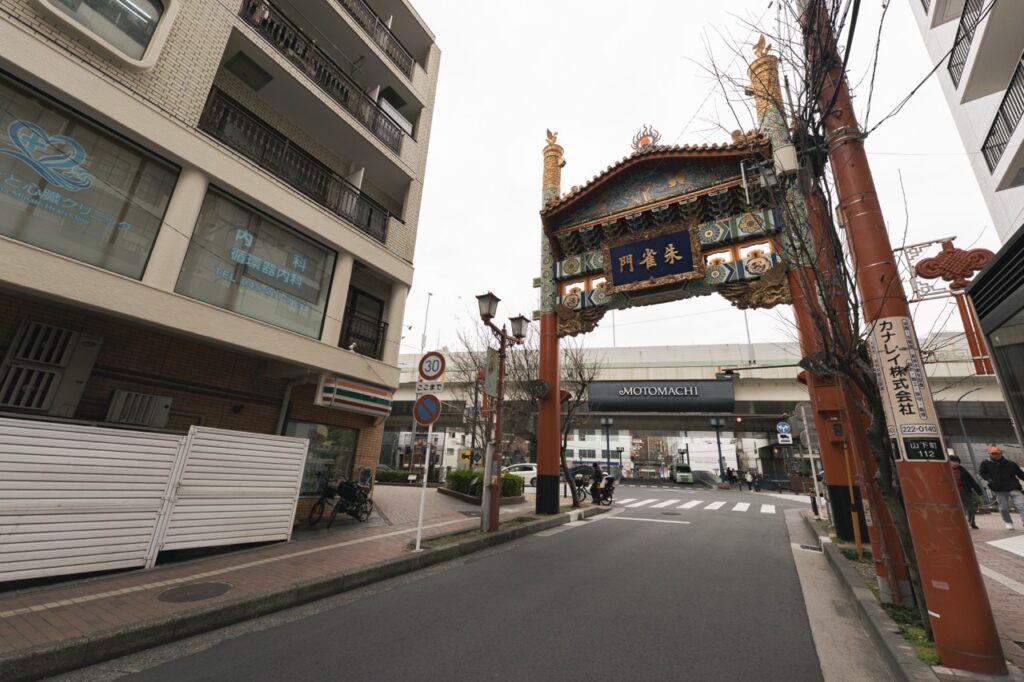
About 40 minutes by train from Shibuya, if you step out of Motomachi-Chukagai Station on the Minatomirai Line and stroll along the river, you’ll find Motomachi on your left, with its hints of Western influence, and Chukagai on your right, crowned by a vivid, colorful gate. Across the river, east and west face each other, creating a boundary that always feels like stepping into another world.
Along this street, at the intersection of these two cultures, is the Japanese tea café and apparel select shop “no count”.
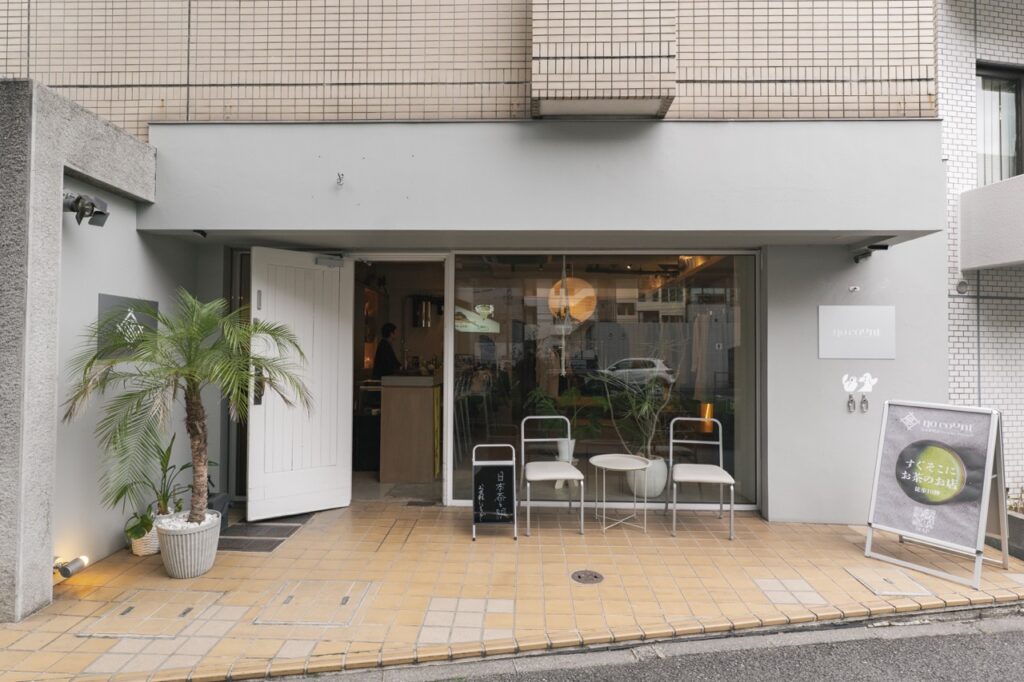
Japanese Tea and Curated Apparel
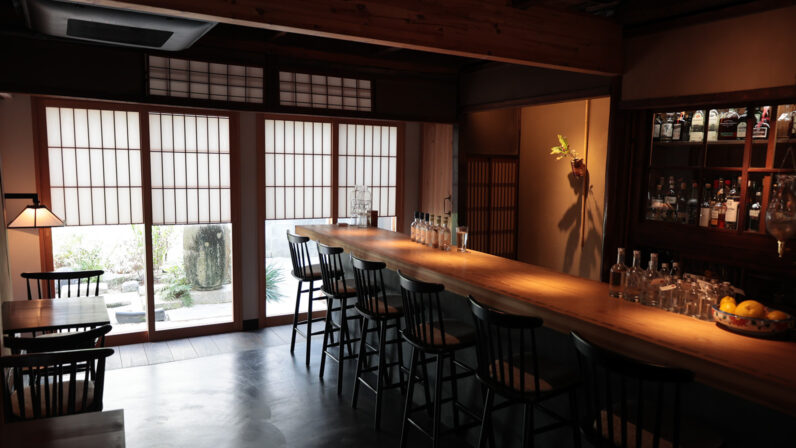
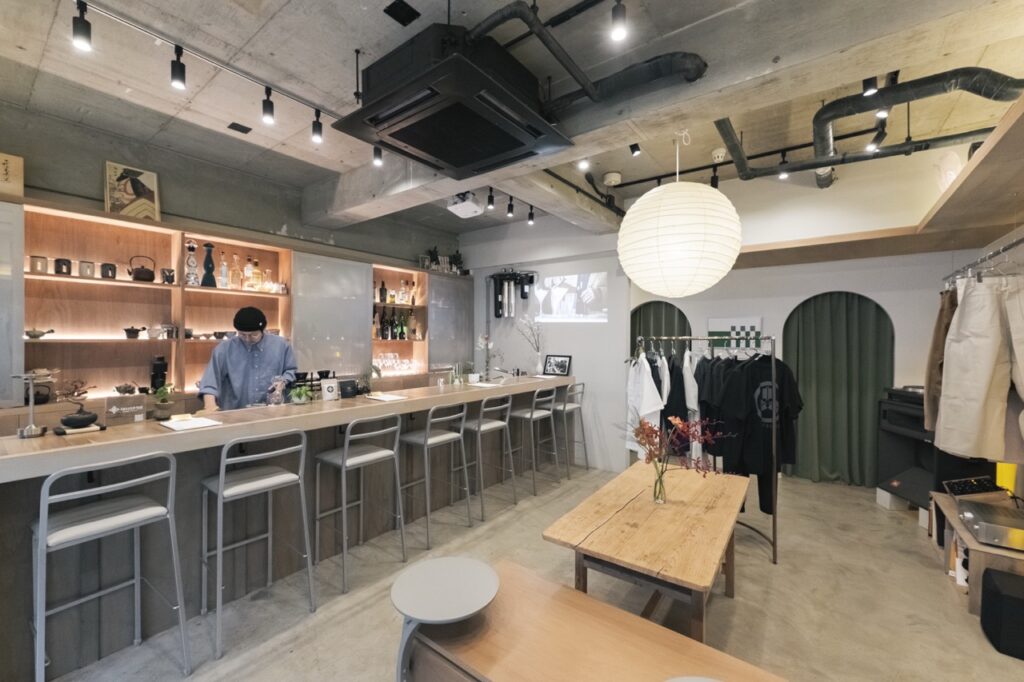
Exposed concrete walls are softened by wooden tables and counters, giving the space a warm, inviting feel. Along the bar counter, tea kettles sit beside a modern espresso machine, while designer apparel is displayed on the opposite side.
no count is run by Kenta Arai, who has spent around ten years in the food and beverage industry, and his wife Aira, who comes from an apparel sales background. From the start, they envisioned a space that seamlessly blends dining and fashion.
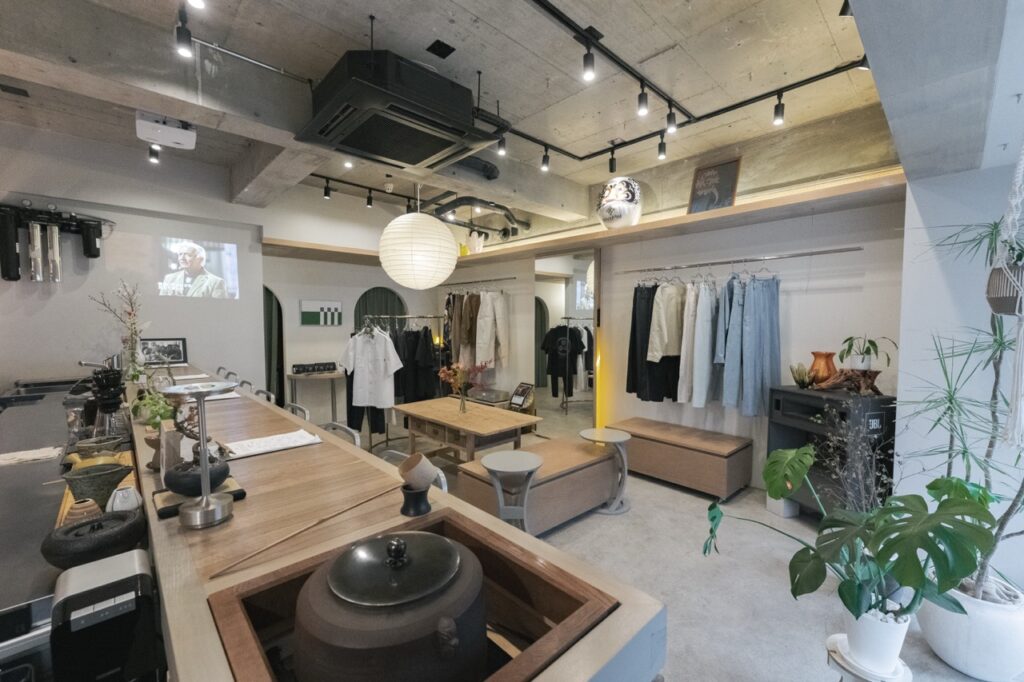
Every product in the store has been carefully sourced through direct negotiations with the brands themselves. On the day we visited for the shoot, there were items from a Thai brand that Aira had fallen in love with during a buying trip abroad.
The name “no count” comes from a playful piece of Japanese-English slang. In Japan, people say “no kan!” to mean “let’s forget that” when something goes wrong or a mistake happens.
Kenta explains, “When we were thinking of a name that would fit a mixed-culture store, Japanese-English felt just right. We wanted a place where even the unpleasant things could be shrugged off, and that’s how no count came to be.”
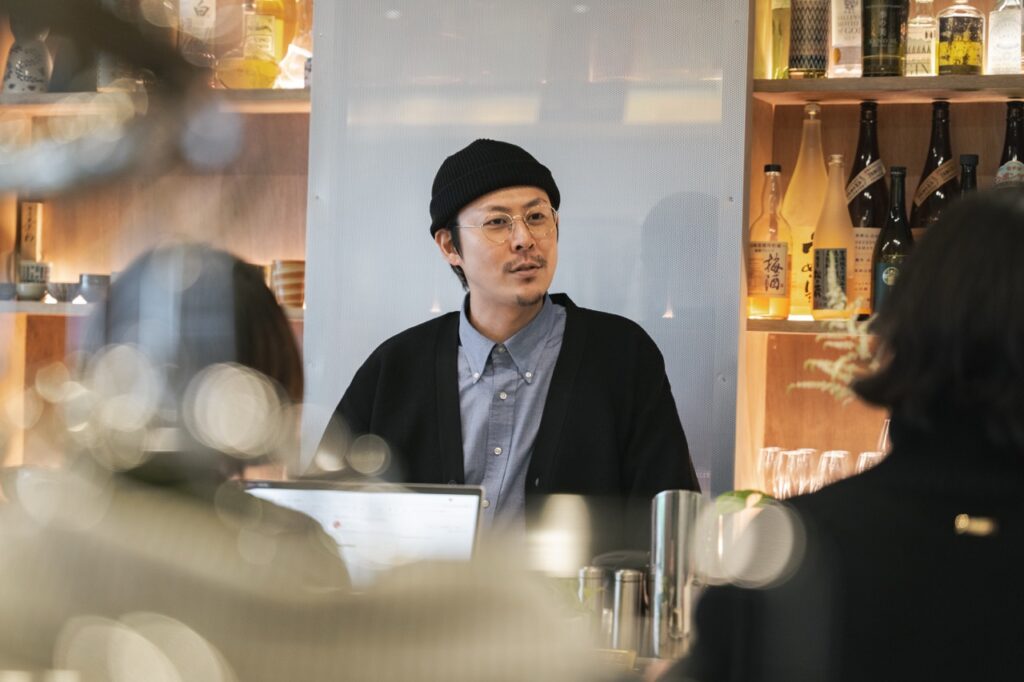
Tea Without Formalities, Enjoyed in Your Own Rhythm
The café features around 25 varieties of tea, with a special focus on Miyazaki tea. While not widely known, Miyazaki tea ranks fifth in production across Japan and is celebrated for its rich umami and fragrant aroma.
Choosing Today’s Three-Tea Tasting lets you sample three distinct types: sencha, Japanese black tea, and hojicha.
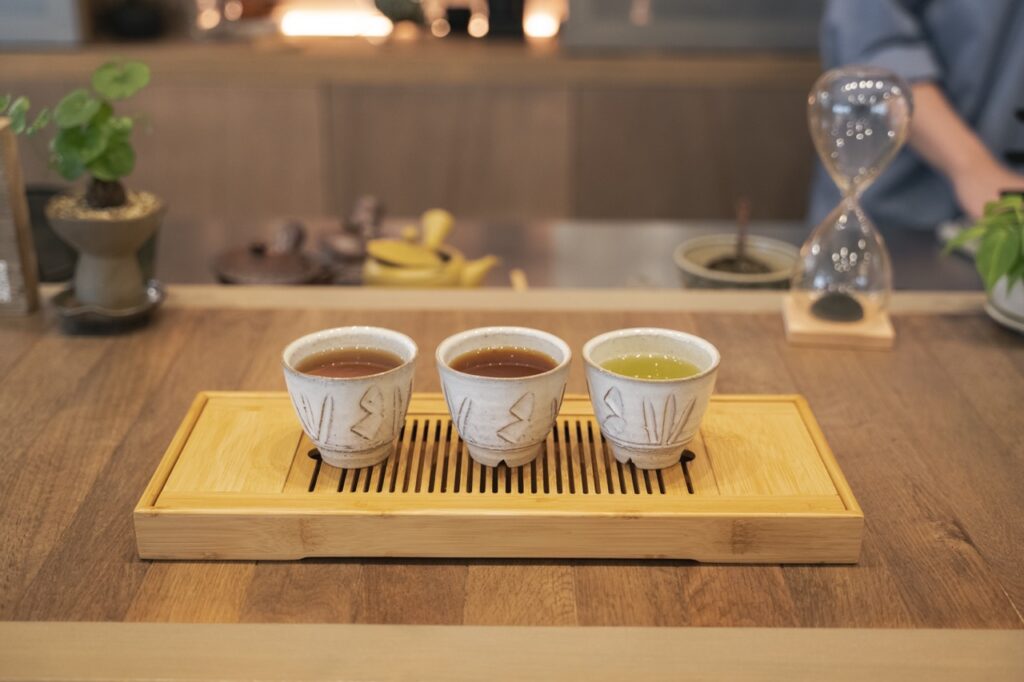
The Kirari sencha took home the top honor, the Platinum Prize, in the Ordinary Sencha category at the Japan Tea AWARD 2025. One sip floods the palate with a rich, savory umami, almost like sipping a delicate broth.
The Misatocho Japanese black tea is light and refreshing yet fragrant and elegant. Made by fermenting Chinese tea leaves into black tea, it is less astringent than traditional Assam-based black teas.
The Miyazaki Ichibancha hojicha is crafted from high-quality first-harvest leaves rarely used for hojicha(roasted tea), offering a toasty aroma balanced with a soft, gentle sweetness.
Beyond Japanese tea, the café’s menu also includes drip coffee, espresso, and creative tea-based cocktails. On this visit, we couldn’t resist trying the Matcha Beer, a playful twist on the classic.
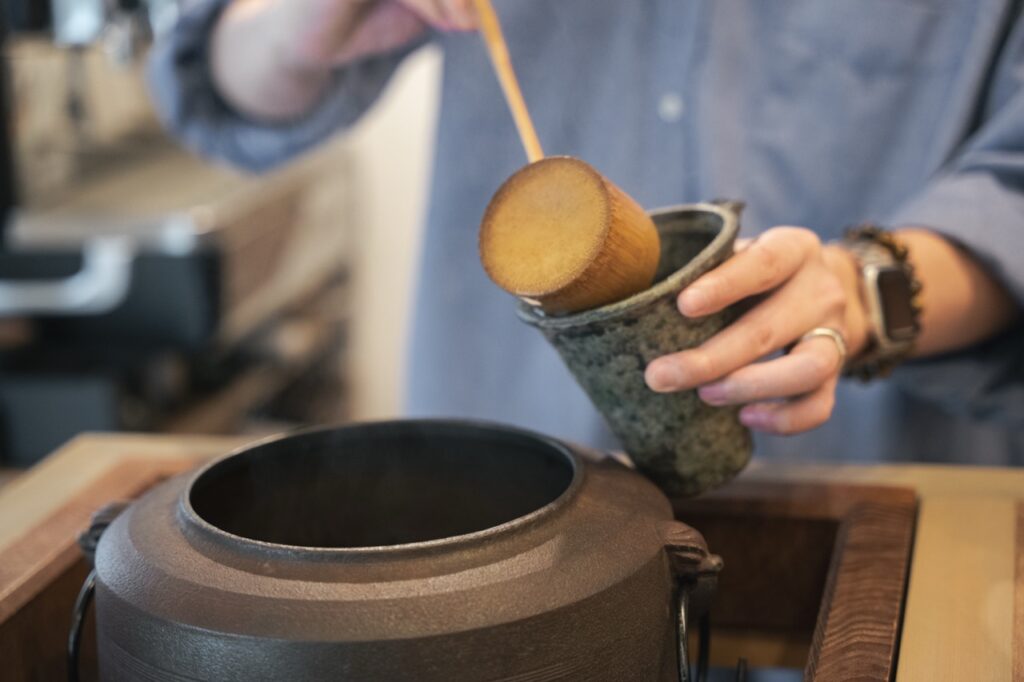
The tea kettle he bought at first sight.
When preparing the matcha, I almost felt the tension of a traditional tea ceremony, but Kenta began smoothly mixing the lukewarm water in the tea kettle with the boiling water from the espresso machine. He explained that this method allows him to adjust the temperature depending on the type of tea and the customer’s preference.
“My way might seem unorthodox to tea lovers,” he says. “What I care about isn’t the formal rules, it’s enjoying the timing and rhythm of making tea. Here, everyone is free to spend their time however they like.”
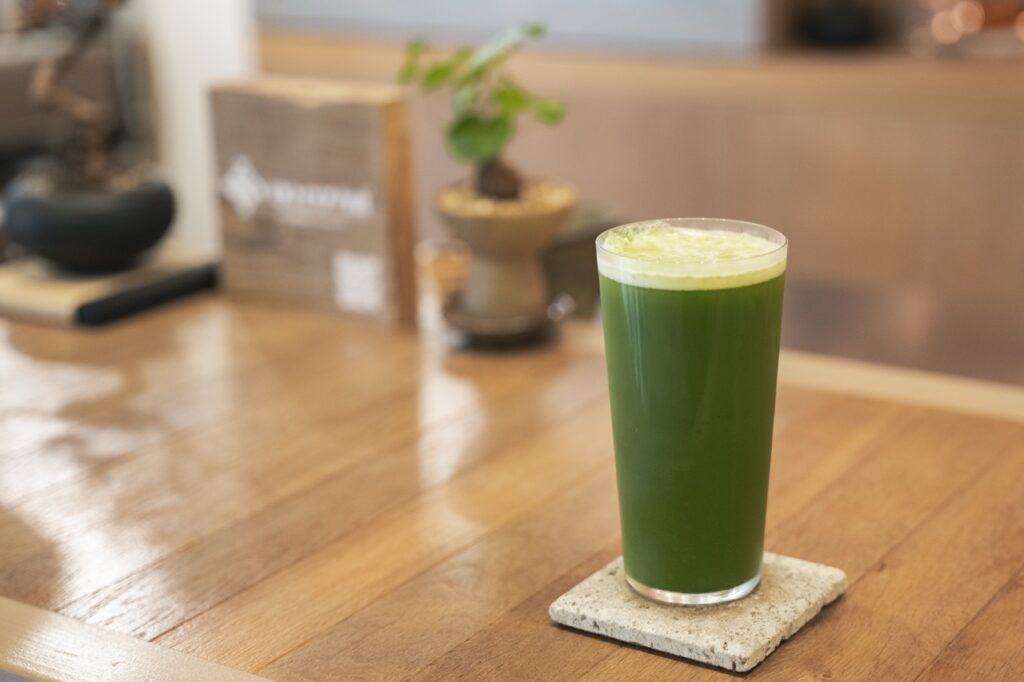
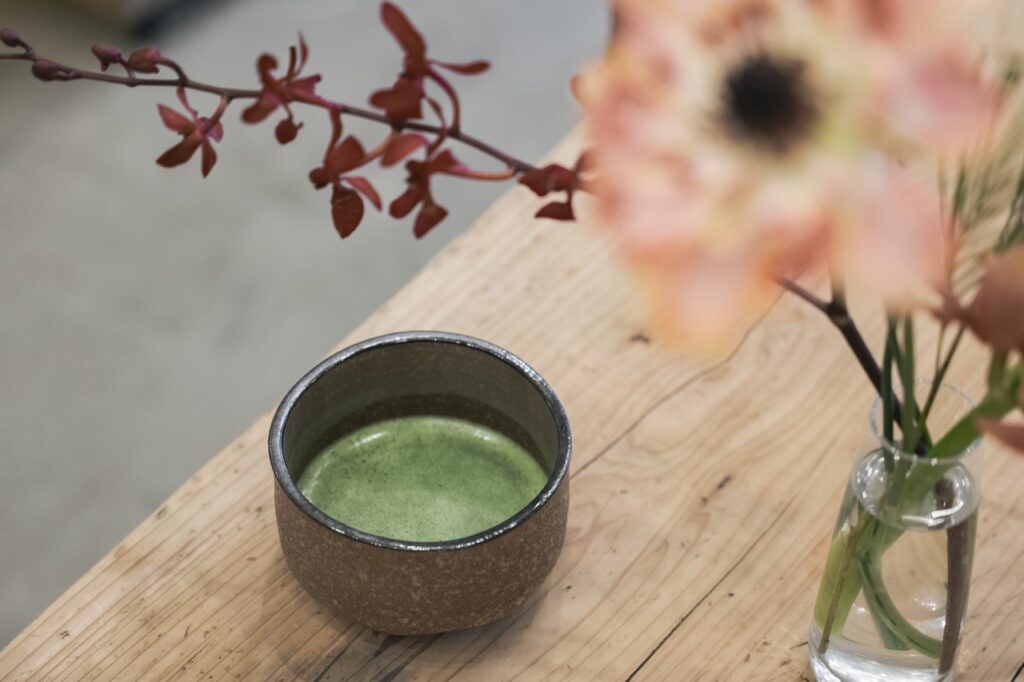
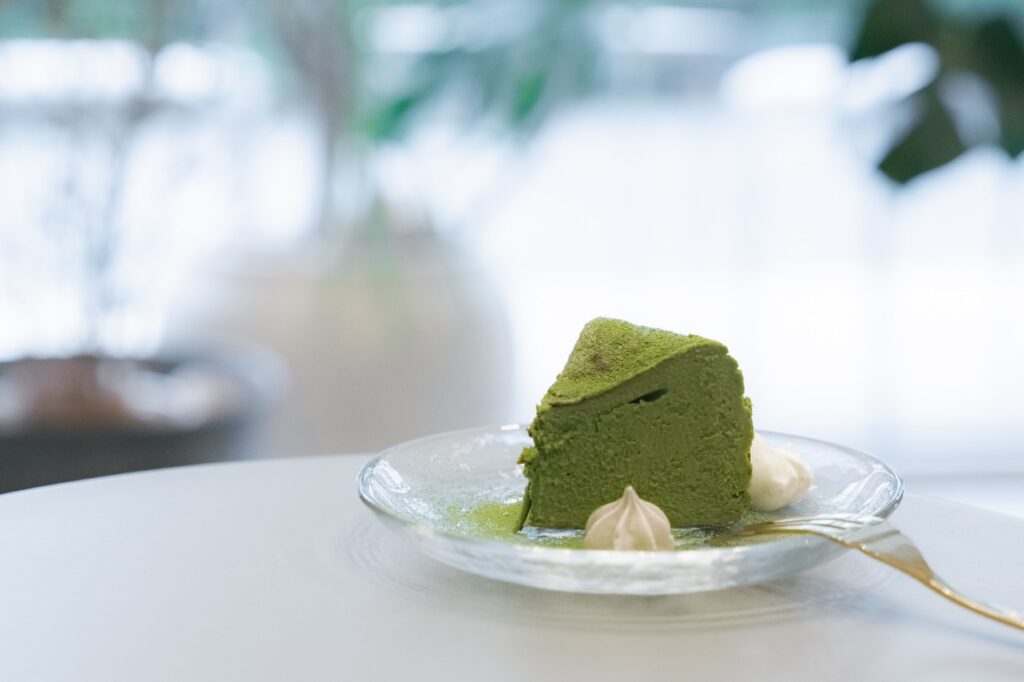
1st image: Matcha Beer. After enjoying the smooth finish of the beer, the gentle aroma of matcha rises refreshingly.
2nd image: The menu also features straight matcha, best enjoyed with sweets.
3rd image: The Matcha Basque Cheesecake is so popular that some customers have even requested to buy it as a whole cake.
“From the moment we decided to open a tea shop, I wanted people our age and younger to enjoy tea in a casual way. Because it’s our own culture, I think it’s fine to treat it a little more freely and playfully.”
In reality, if tea becomes something only a select few can enjoy, demand will drop, tea farmers could disappear, and the tradition itself might vanish. There’s room for both approaches: high-end spaces that celebrate tea as a cultural treasure, and casual spots where it can be savored as an everyday drink. This balance is how long-standing fashion brands have managed to survive through the years.
Finding Your Own Style Beyond Time and Culture
Kenta’s decision to open a Japanese tea café bar was deeply influenced by the grandparents he spent time with as a child. His grandfather ran a café, and his grandmother practiced the art of tea ceremony. When he was considering opening his own shop, he instinctively felt a connection upon holding the tea utensils his grandmother had left behind, thinking, “This is what I’m meant to use.” The choice to call it a Japanese tea ‘café’ bar is also a tribute to his grandfather.
Food and fashion. Tradition and modernity. And the personal histories and passions of both husband and wife. By blending these influences through their own perspective, they created the unique mix of culture that is no count.
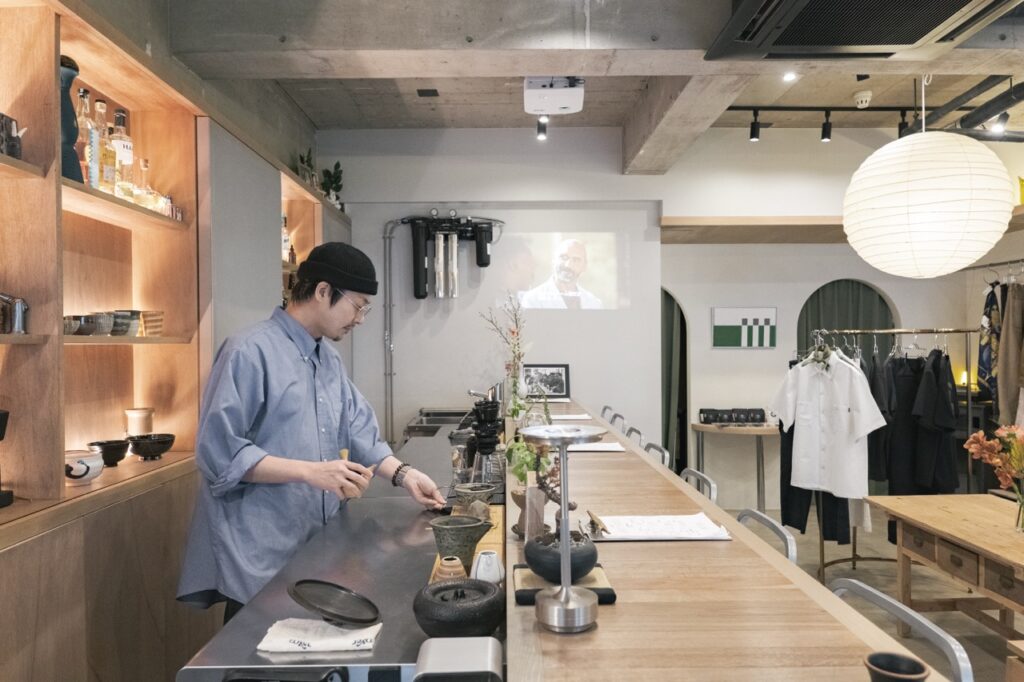
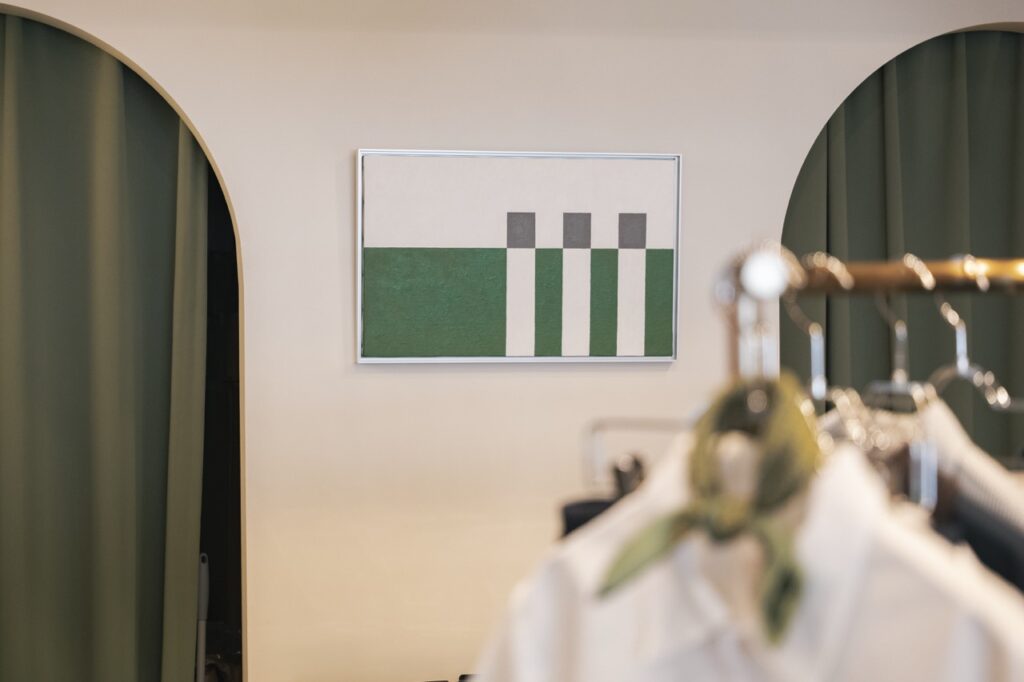
“We didn’t want our shop to be just a place that shows Japanese or Yokohama products to outsiders. Instead, we bring discoveries and ideas from outside to Yokohama, proving that it’s not only Tokyo that can do something cool.”
By mixing outside influences with their own passion, they create something entirely new. This mindset echoes the spirit of Yokohama itself, a city that has absorbed cultures from across the seas since its opening and built its own distinctive style.
Honoring tradition while following their own instincts, they are freely shaping the future. Standing at the boundary between Motomachi and Chinatown, no count offers a glimpse of Japanese tea’s fresh possibilities and the hidden richness of Yokohama.
Japanese Tea Café Bar & Apparel Select Shop no count
Address: 1F Sunriver Motomachi, 112-1 Yamashita-cho, Naka-ku, Yokohama, Kanagawa 231-0023
Hours:
Monday to Saturday: 2:00 PM – 11:00 PM
Sunday: 2:00 PM – 9:00 PM
Closed: Every Thursday
Instagram: @nocount_yokohama