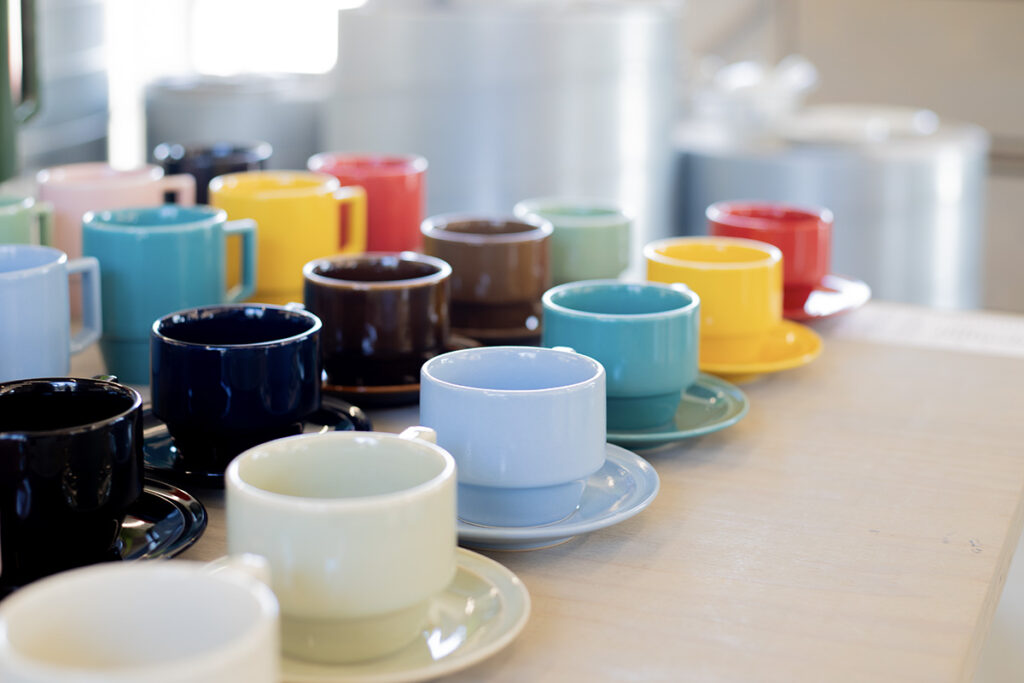
Hasami, Nagasaki Prefecture. Nestled among gentle mountains, this town is known as a pottery-producing region with over 400 years of history. We spoke with its representative, Kyohei Baba, about Maruhiro’s three-generation journey of breaking conventions while upholding the traditions of its production region.
The Story Behind the Name Maruhiro
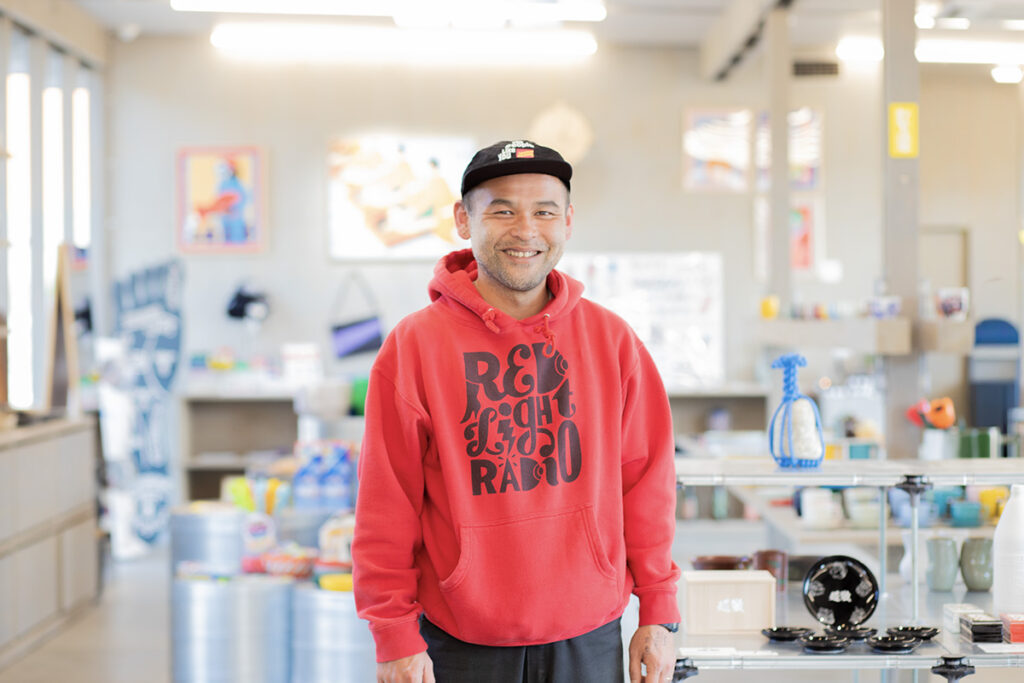
Kyohei Baba, Representative of Maruhiro
Maruhiro is a ceramics manufacturer based in Hasami, Nagasaki Prefecture. Rather than operating its own kiln, it works in collaboration with local artisans to design and sell tableware. From its hit HASAMI series to partnerships with apparel brands and artists, the company continues to push the boundaries of Hasami ware.
Now widely recognized across Japan, the origin of the name Maruhiro is surprisingly lighthearted. The company was founded in 1957 under the name Baba Hiroo Shoten by the grandfather of current representative Kyohei Baba. A turning point came in 1989, when his father took over as president.
“At the time, many businesses in the production region were changing hands, and there was a brief trend of adding ‘Maru’ with the head of the family’s initial. Since his name was Hiroo, it became ‘Maruhiro.’ A place run by someone named Mitsuo became ‘Marumitsu.’ My dad just went along with the trend,” Kyohei recalls with a laugh.
Back then, the company mainly sold kiln tools and teapots. But amid the booming atmosphere leading up to the economic bubble, Maruhiro began carving out its own distinct way of doing business.
From Bargain Sales to Sustainability
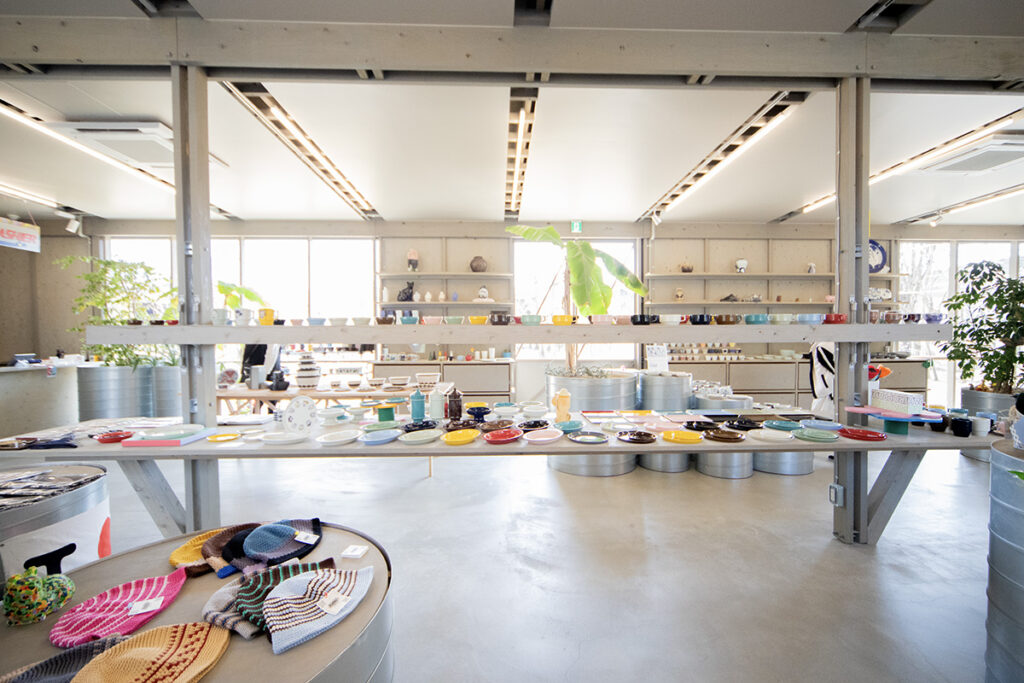
Hasami ware is produced through a system of division of labor, with multiple companies involved in a single piece. Maruhiro operates as a kind of trading company, purchasing goods made by kilns and distributing them. In its early days, the founder’s grandfather mainly dealt in so-called “B-grade” items and pieces on the verge of being discarded.
Chipped rims or damaged bases didn’t deter him. He would buy these pieces in bulk, filling baskets known as santena. “We fixed them all up and sold them off at bargain prices. That’s how Maruhiro started. Looking back, it was ahead of its time. Sustainable, you could say,” Kyohei recalls.
But when the economic bubble burst, the environment changed dramatically. Kilns improved their techniques to avoid producing B-grade goods, while price wars intensified at department store sales. Maruhiro was forced to adapt, and in 2000, the company made a decisive shift toward handling A-grade products.
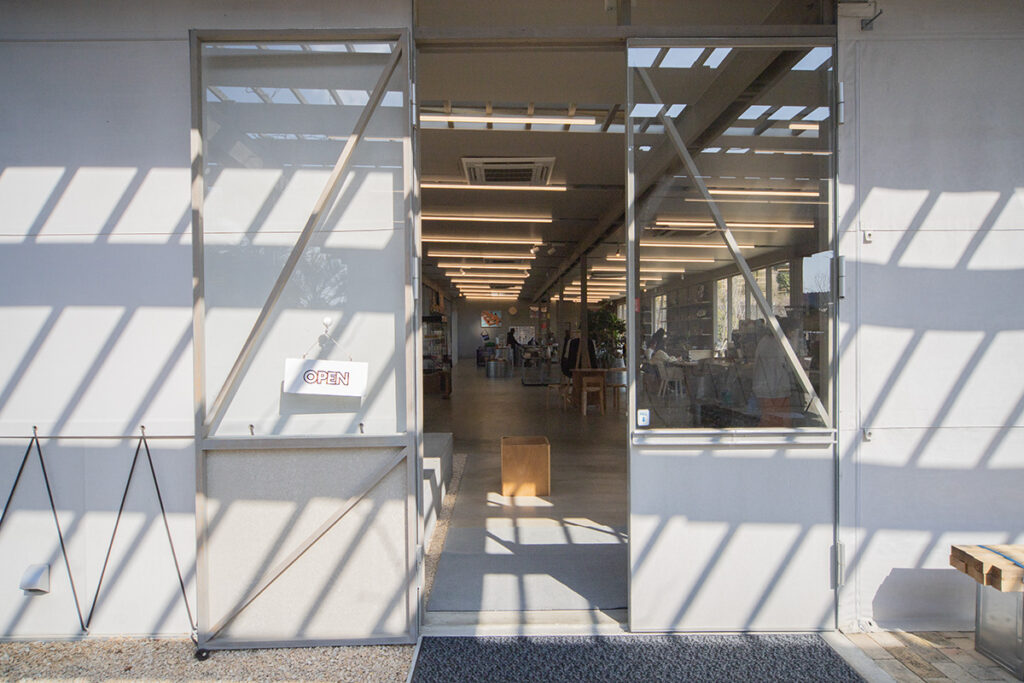
At first glance, the building looks like a simple, modern white-walled bungalow. Step inside, and you’re greeted by a burst of color, a playful contrast to its understated exterior.
In the early days, however, the fledgling trading company faced a tough uphill battle. Many kiln owners flatly refused to work with them, saying they couldn’t trust a company that had never purchased even a single piece. The breakthrough came thanks to five kilns run by the father’s former classmates. These early allies would become the backbone of Maruhiro’s signature approach, crafting “semi-original” pieces that balance tradition with fresh creativity.
2010: The Revolution of the HASAMI Brand
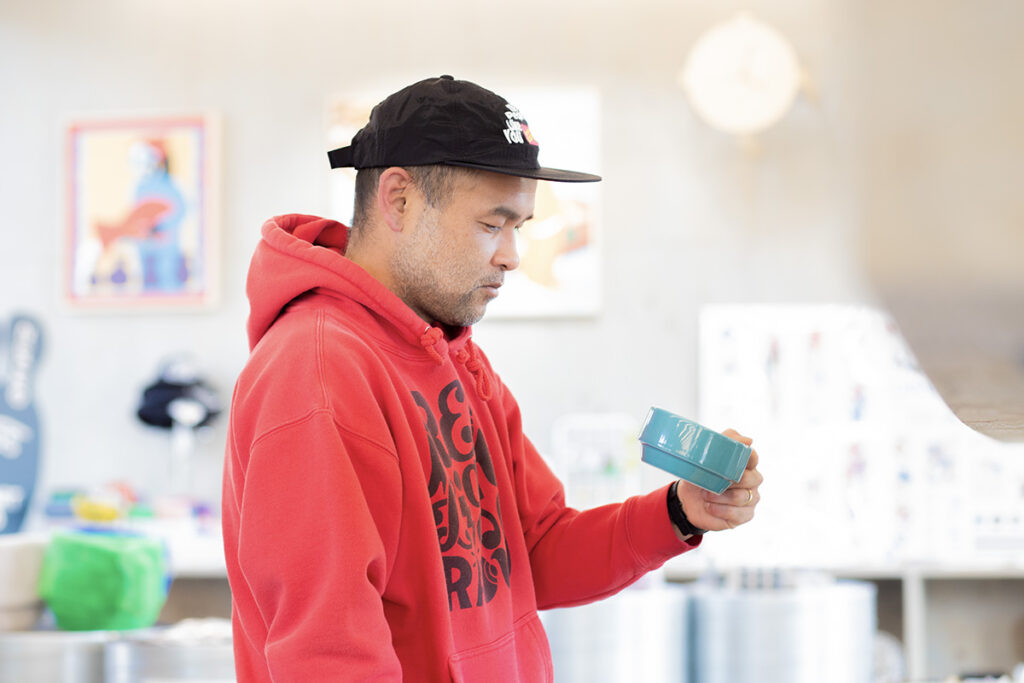
In 2008, Kyohei Baba returned to the family business. Without formal training in design or ceramics, he unveiled the company’s own brand, HASAMI, in 2010. Created with guidance from Nakagawa Masashichi Shoten, the brand broke new ground from its very launch.
“We decided to release new products three times a year, treating each release as a single ‘Season.’ Like a drama, Season 1 and Season 2 would build on each other to complete a series over the course of a year. We approached it as a horizontal, narrative-style rollout” Kyohei explains.
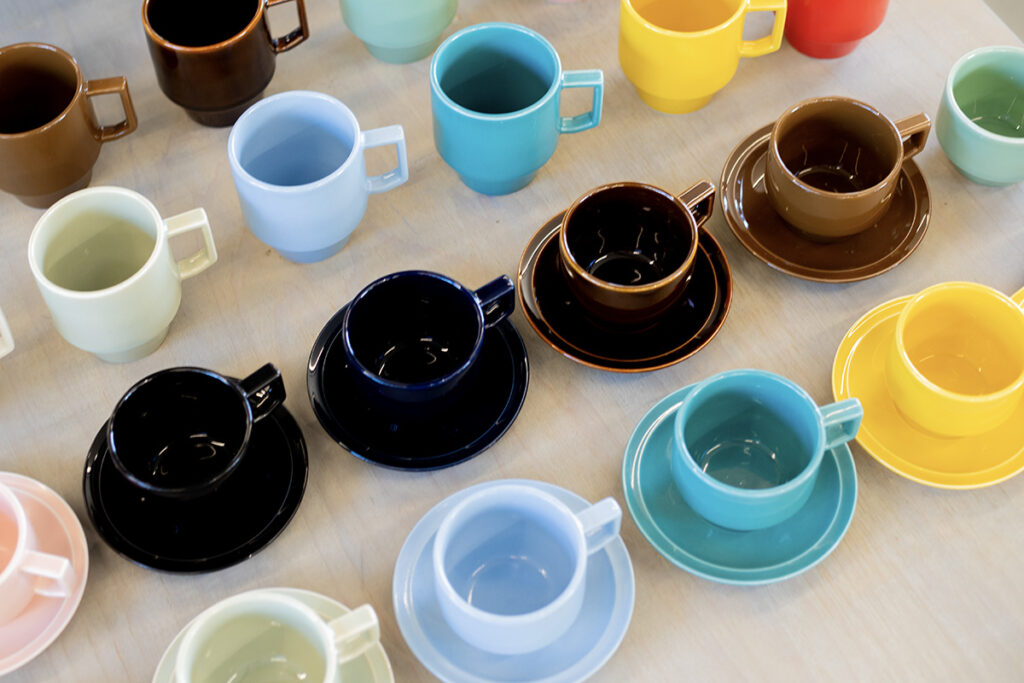
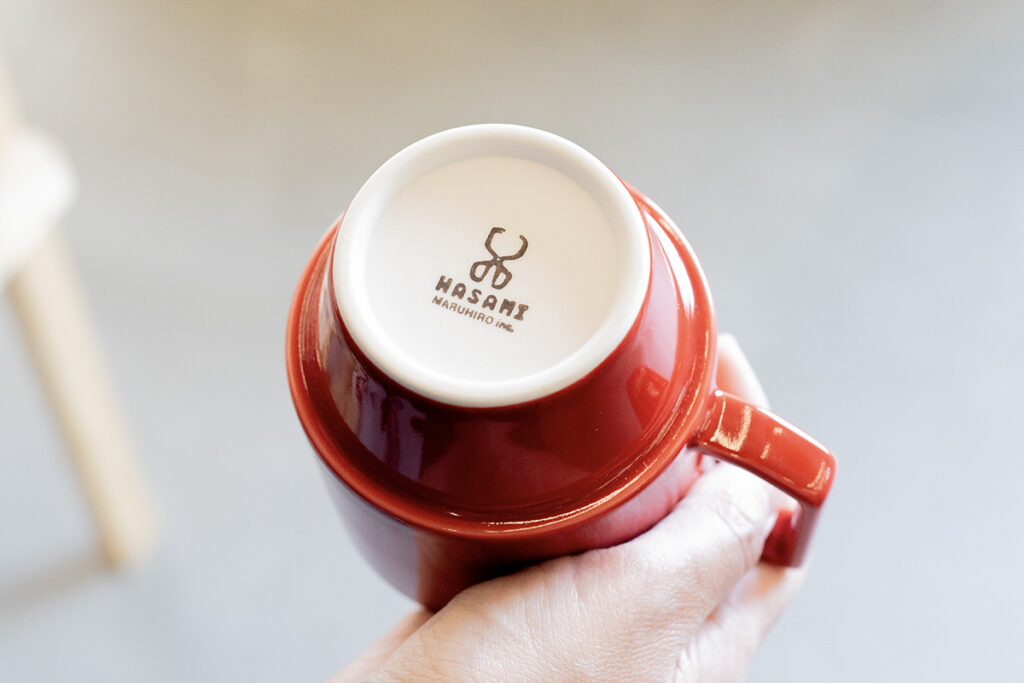
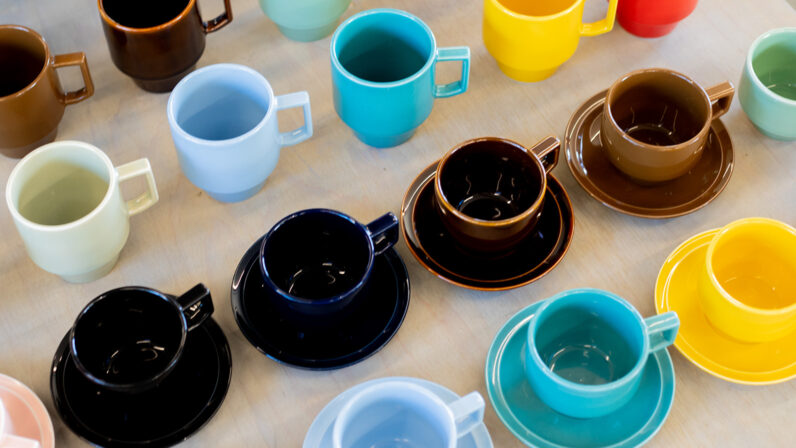
Colors can be mixed and matched with Maruhiro’s popular HASAMI line.
The star of Season 1 was the brand’s now-iconic mug. The concept: “a ceramics brand like a T-shirt.” Available in 11 colors and designed for stacking, the mug cleverly responded to Japan’s compact living spaces.
“You don’t need to store them in a cabinet, leave them out, even casually, and they still look beautiful. We even considered the aesthetics of how they stack together,” Kyohei explains.
Overseas customers can also purchase these items. For individuals, Maruhiro partners with cross-border e-commerce services, while businesses can arrange orders directly through the wholesale section of the official site. Pop-up events abroad are also in the works.
The HASAMI Founder’s Favorites
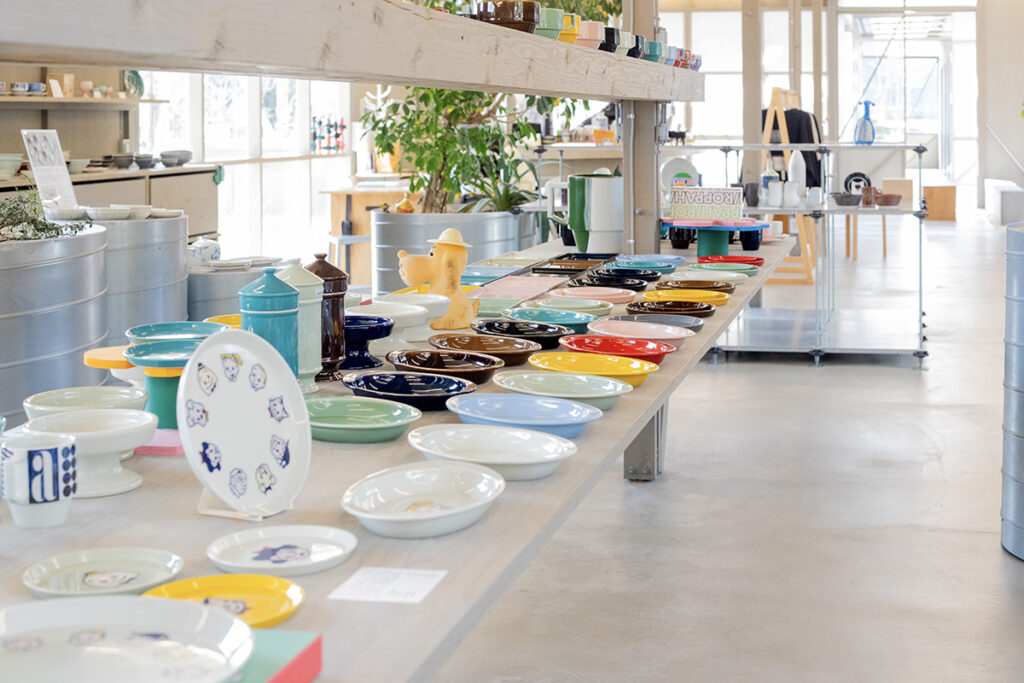
The distinctive approach lies in artfully arranging each piece individually rather than stacking them.
Maruhiro offers a dazzling range of products, but which pieces does its creator, Kyōhei Baba, actually use at home? “By far, the one I’ve used longest and most often is the ‘Toy Gratin.’ The ones we have at home have been around for ten years now. They’re very durable,” he says. For the family of four, this Season 3 piece is a table staple. Safe for the oven and made to endure, it’s survived years of everyday use.
Another favorite is the BARBAR series soba cups, pieces that go far beyond their traditional role as mere vessels for soba.
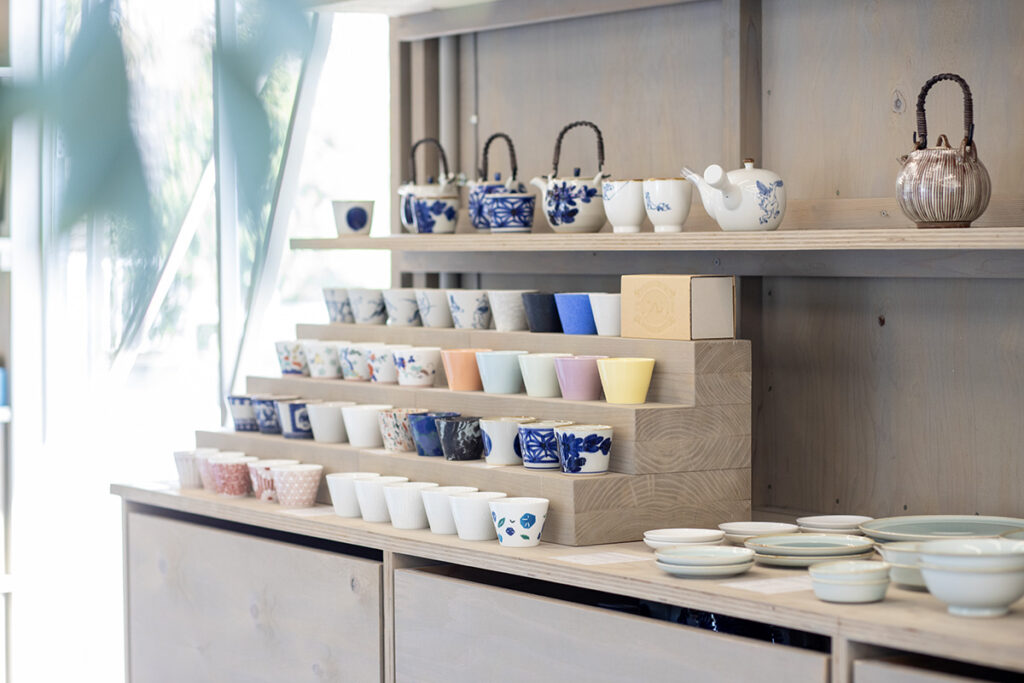
The BARBAR soba cups can also be used as a dipping sauce vessel or as a small cup for aperitifs.
“I want people to choose a soba cup like they would choose a pair of sneakers. You can use it for drinking sake, holding sauces, or even storing a bit of leftover food in the fridge after covering it with plastic wrap. My wife even uses it to make chawanmushi. It works in both the microwave and a steamer.”
This blend of clever functionality and playful charm is exactly why Maruhiro’s pieces continue to win fans across generations.
A Bridge of Respect to the Makers
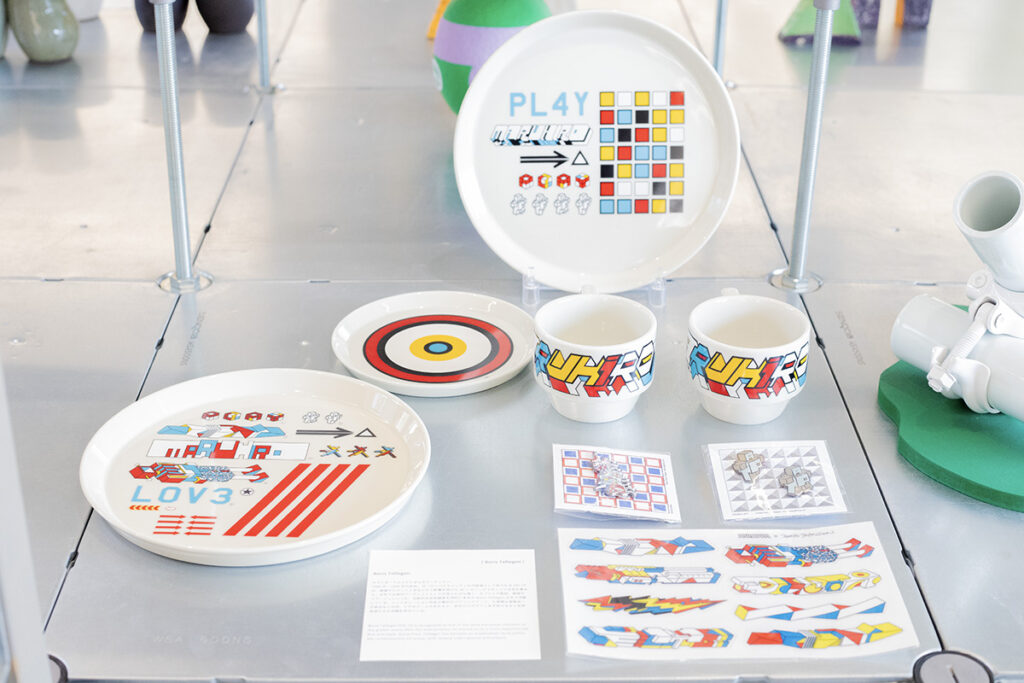
Part of Maruhiro’s appeal also lies in its active collaborations with apparel brands and artists. A recent high-profile example is its global partnership with Netflix’s hit series Stranger Things. Yet no matter how big the collaborator, Kyōhei Baba has non-negotiable principles.
“If someone approaches us with a disrespectful attitude toward the makers, we’ll turn them down, even if it means losing sales. It’s essential that collaborations are equal partnerships,” he explains.
Whenever a collaboration is confirmed, he makes sure to bring partners to the production site. “We want them to meet the people.The local craftsmen and craftswomen behind the products,” he explains, acknowledging Maruhiro’s role as a bridge between the production community and the outside world.
A Park as the Gateway for Everyone
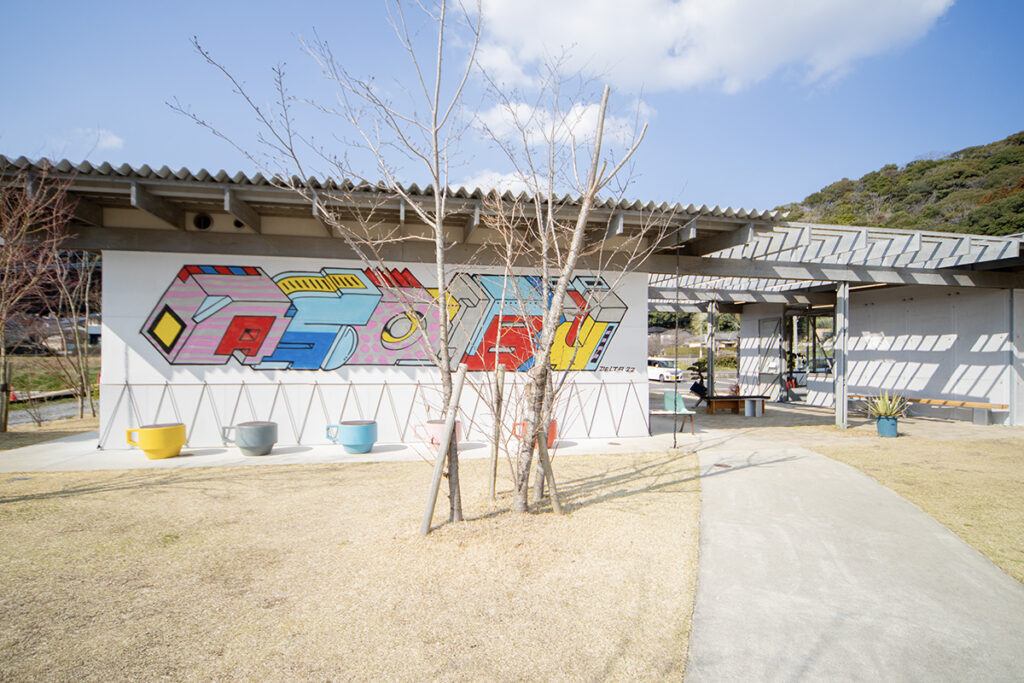
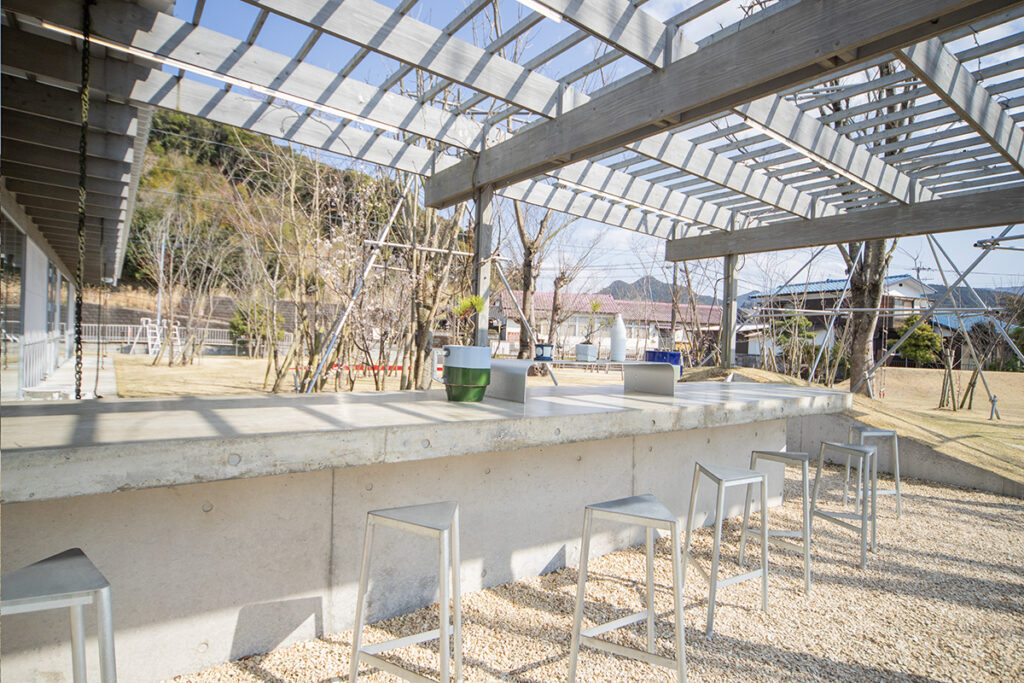
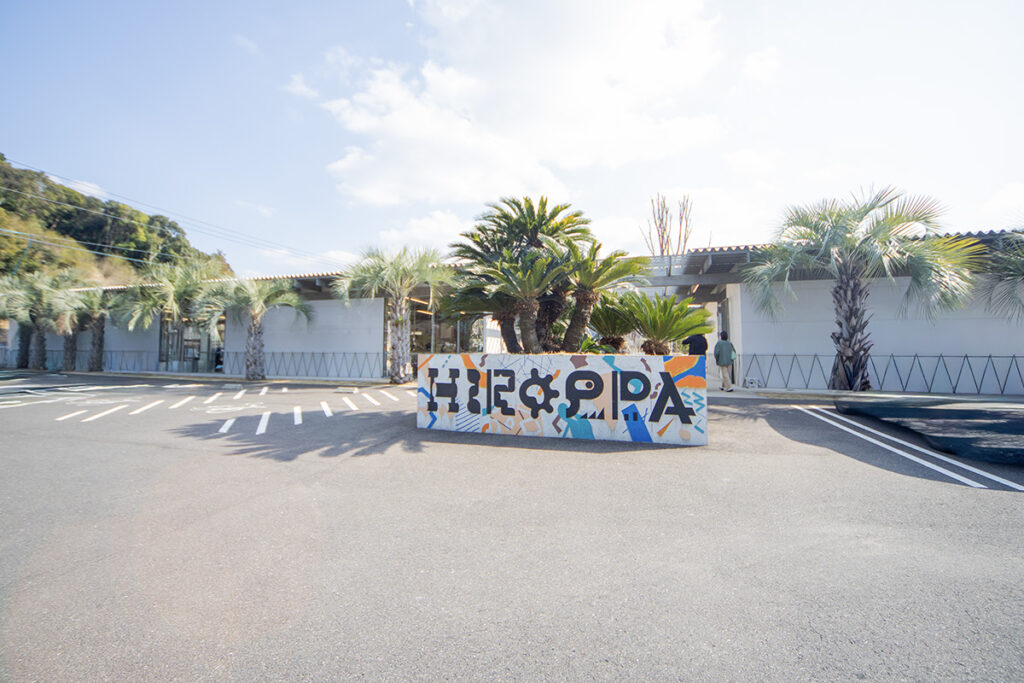
In front of the store stretches HIROPPA, a sprawling park covering roughly 4,000 m².
Today, Maruhiro’s headquarters open onto a sprawling park called HIROPPA. Why would a ceramics maker run a park? For Kyōhei Baba, it’s a way to make craft approachable and alive for everyone.
“Craft can feel intimidating, like there’s a high barrier to entry. I want to do the opposite and bring that entry point all the way down. In a park, even babies can come, and people can bring their dogs. If they’re visiting the town for fun, they might also take a moment to slowly explore each piece of tableware, one by one.”
Inside the store, the atmosphere contrasts sharply with the stacked, bargain-heavy shops of the past. Each piece is given space to show its personality. “I didn’t want a store where people feel they’ll get scolded before they even step in, or where they’re told not to touch anything.” That vision has shaped a barrier-free, welcoming environment, encouraging visitors to engage with the pieces freely and comfortably.
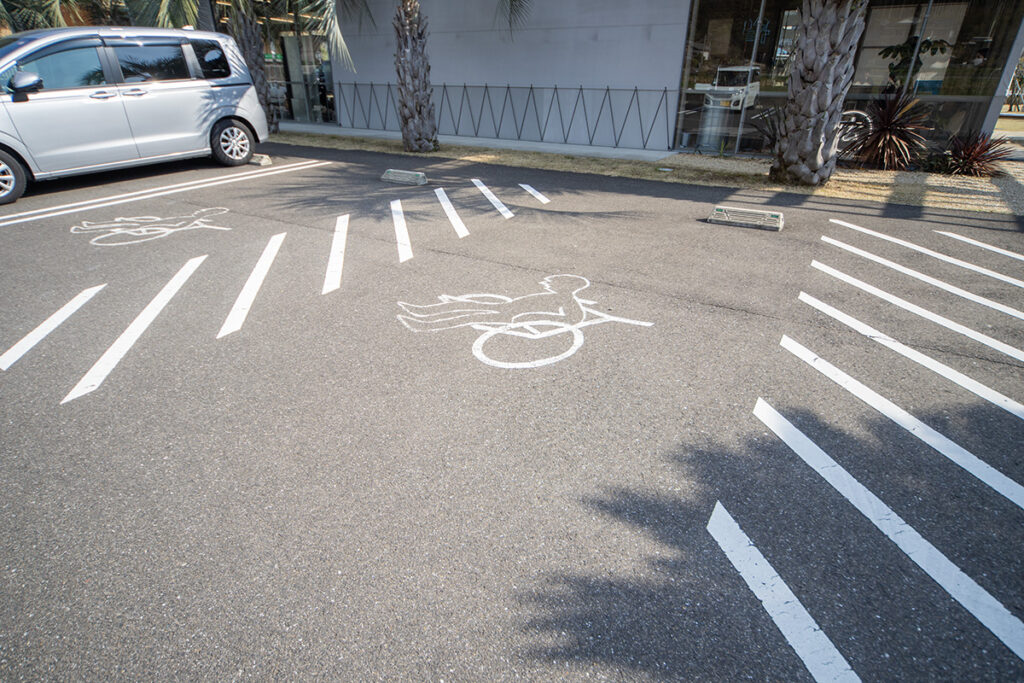
The entrance is completely accessible and step-free, allowing strollers and wheelchairs to glide straight in from the park or the surrounding ground.
Living with the Local Community, Passing Down to the Next Generation
Sixty years after its founding, Maruhiro set forth a new guiding principle in April 2026: Living with the Local Community.
“If the production hub disappears, Maruhiro cannot exist. My goal is to preserve this place, Hasami Town, so it can be passed on to the next generation,” says Kyōhei.
Just as his grandfather rescued B-grade pieces and his father charted a path for A-grade ceramics, Kyohei is now designing the future not only for the ceramics themselves but for the community that sustains them. His efforts remain rooted in Hasami while reaching out to the wider world.
HIROPPA
Address: 682 Yunuta-go, Hasami Town, Higashisonogi District, Nagasaki 859-3702, Japan
Hours: 10:00–18:00
Closed: Irregular holidays
Website: https://hiroppa.hasamiyaki.jp/