Japanese author Junichiro Tanizaki once wrote in In “Praise of Shadows” about the soft interplay of light and shadow in Japanese homes, and the quiet beauty of ceramic ware. There is a particular kind of pleasure in dining within that gentle light, one rooted in Japanese aesthetics.
At “Tototo” in Tokyo’s Oshiage district, that sensibility comes to life through an experience that engages all five senses, where you shape your own vessel before sitting down to eat.
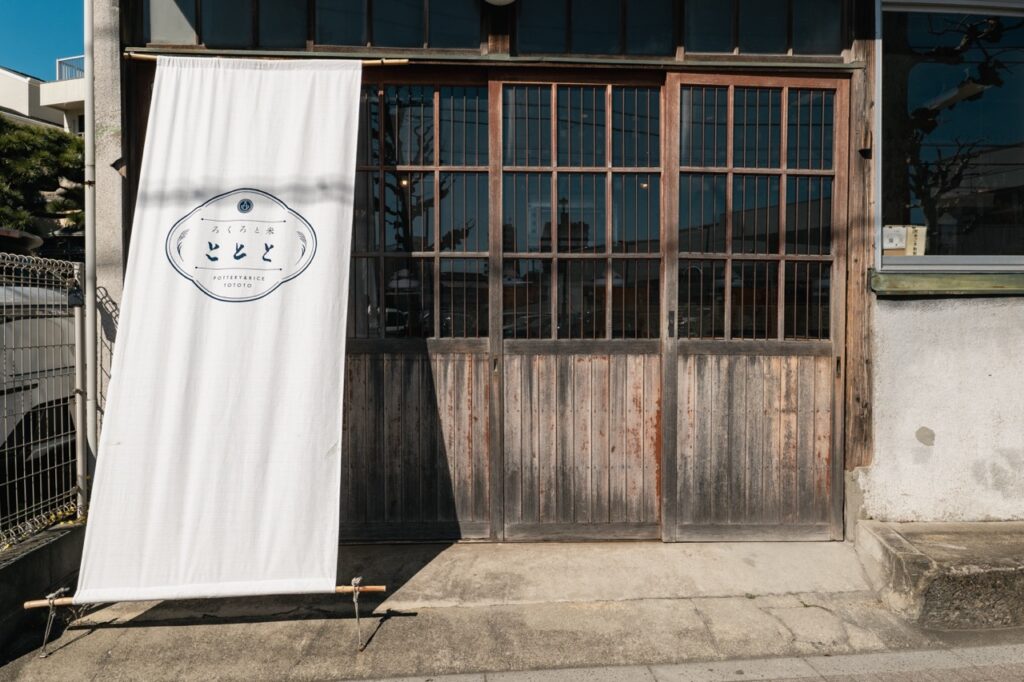
A Renovated Traditional House Converted into a Store
Soothing Moments with Clay Before Dining
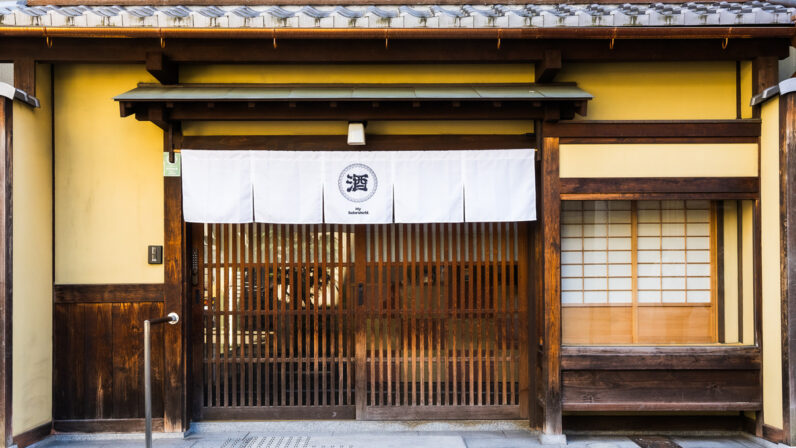
From the street, the shop resembles an ordinary home, its calm, understated appearance easy to pass by without noticing. The space was renovated from an old private house, preserving the warmth and character unique to traditional Japanese architecture. Visitors can touch the clay, shape their own vessels, and then enjoy a meal while still savoring the tactile memory of working with the earth.
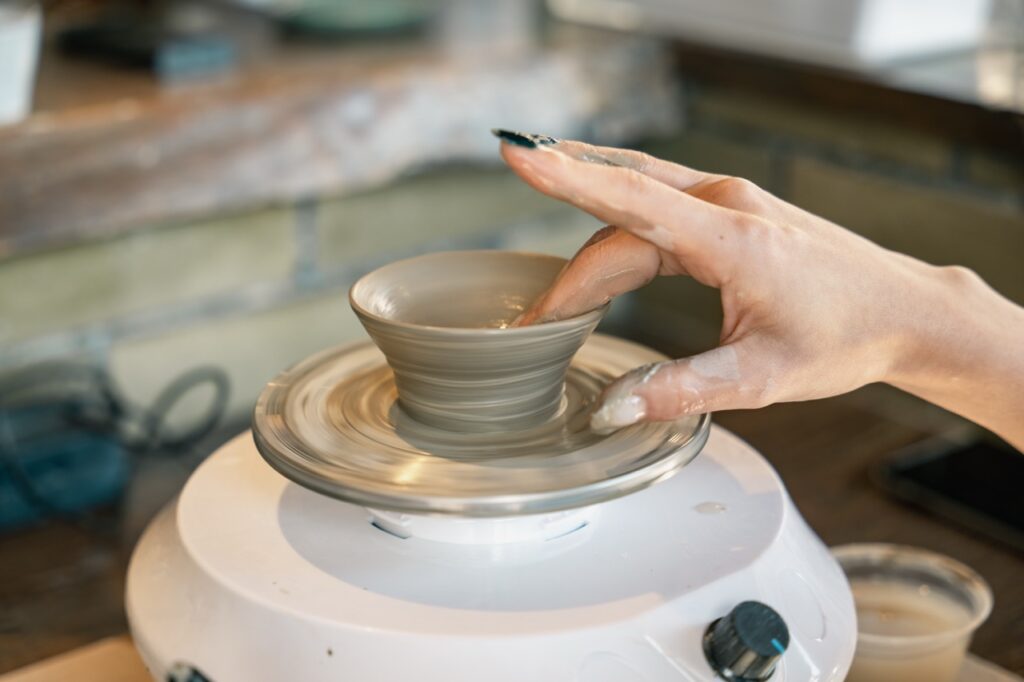
The meal-included courses currently offered are: “Counter Pottery: Mini Wheel + Lunch/Dinner Course” and “Counter Pottery: Hand-building + Lunch Course”, with three variations in total. We joined the Mini Wheel + Lunch Course. In this experience, participants make small vessels that fit in the hand, such as tiny plates or sake cups.
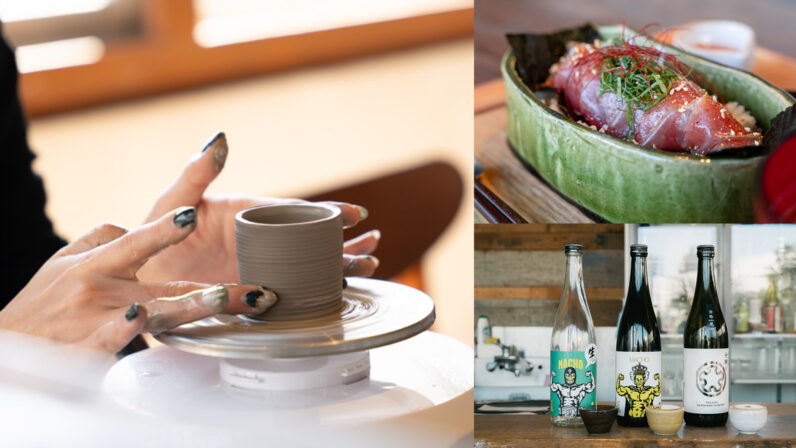
The session begins with a brief explanation of the process and safety guidelines before the pottery experience begins. The wheel spins faster than expected, and at first, I was surprised at how even a light touch could drastically change the shape. Yet, forgetting the distractions of daily life and focusing solely on the texture of the clay was unexpectedly soothing, and before I knew it, I was completely absorbed in shaping the clay.
The staff provide careful guidance, making it accessible even for beginners. Questions or requests for specific shapes are answered on the spot. In fact, about 80% of participants so far have been new to pottery. This was my first time using a wheel as well, yet in roughly an hour, I managed to make two small plates and one sake cup. Because the pieces are small, even slight imperfections become part of their charm, one of the unique joys of the mini wheel experience.
After shaping your piece, you choose a glaze from the sample options. Some have crackle patterns, others a sandy texture, each with its own character, so it’s fun but tricky to decide. Even the same color can turn out differently depending on the firing and shape.
After selecting a color, you sign the bottom of your piece so it can be identified when fired. This marks the end of the hands-on portion. From there, the staff handle the firing and finishing. Pieces are typically ready to ship in three to four months. During this period, they are first bisque-fired at 700–800°C, glazed, and then fired again at 1,200°C. Cooling takes about three days. “They’ll arrive when you’ve almost forgotten about them, so don’t miss the delivery,” the staff joked.
During the session, you can create as many pieces as you like within the allotted time. The basic fee includes firing and taking home one piece; if you want to fire and take home additional pieces, it costs an extra ¥1,000 per item. Shipping is only available within Japan, so International visitors can either just enjoy the in-person experience or provide a Japanese address for delivery.
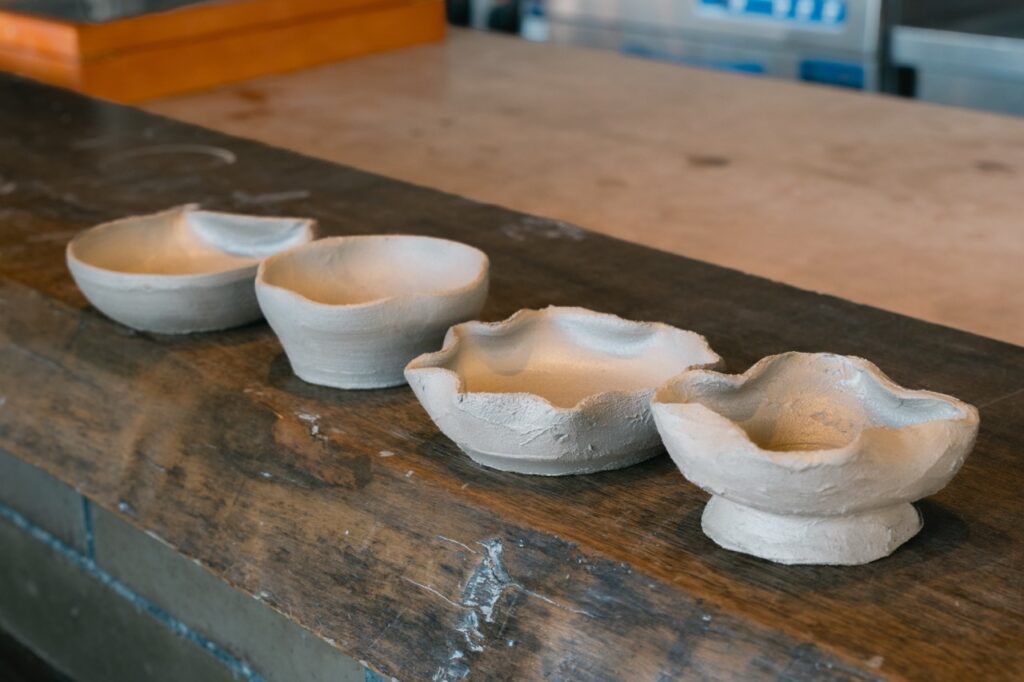
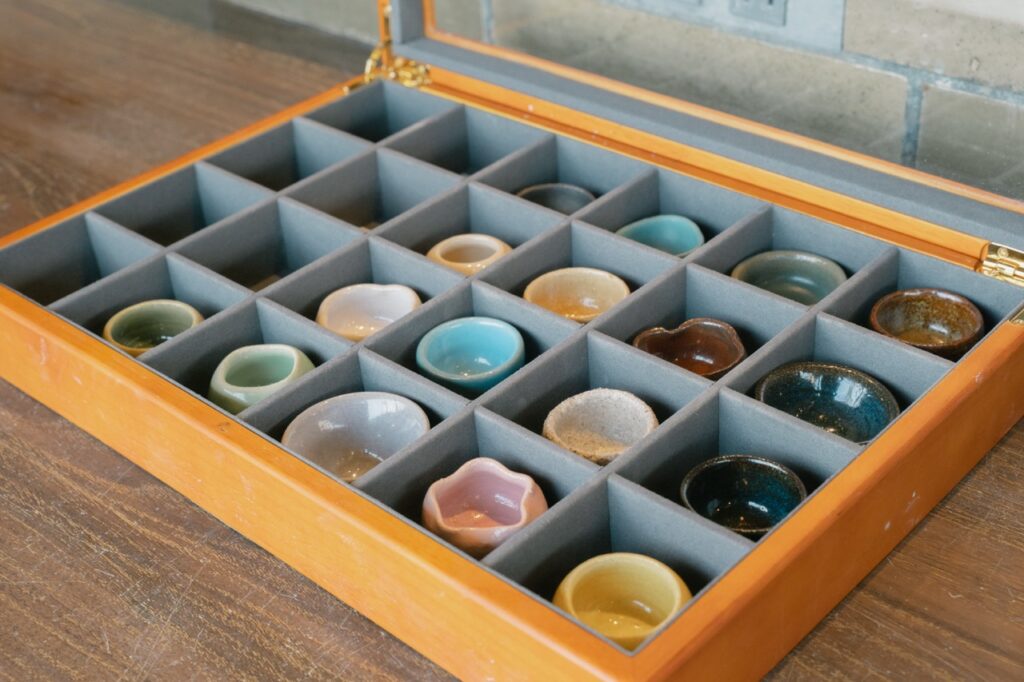
1st image: Pieces shaped and left to dry
2nd image: Glaze samples
Savoring Bliss with Pottery and Rice
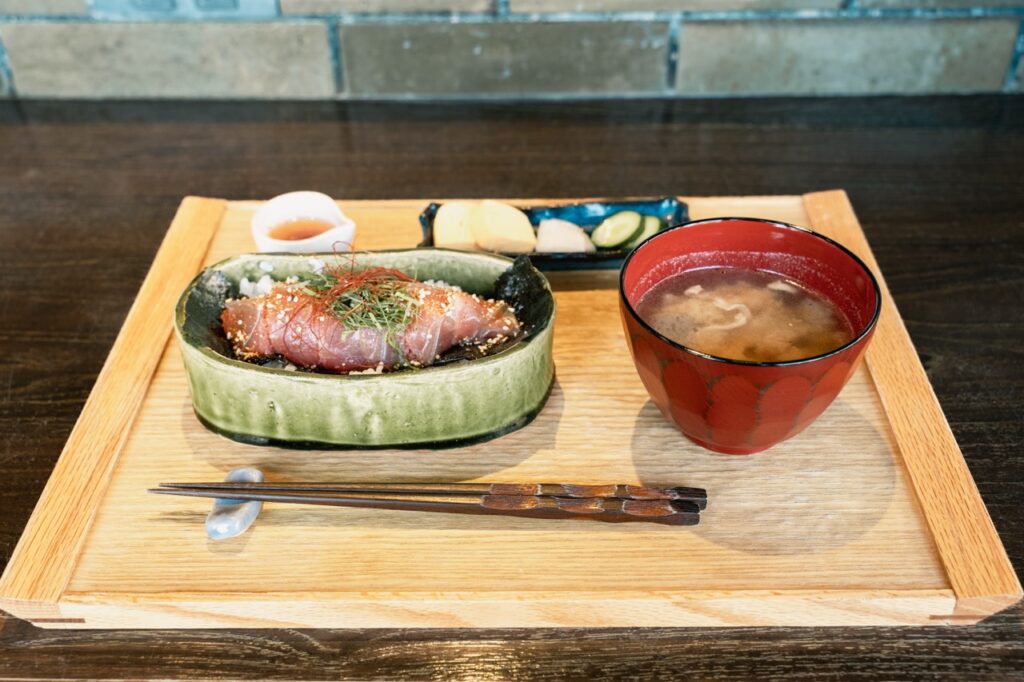
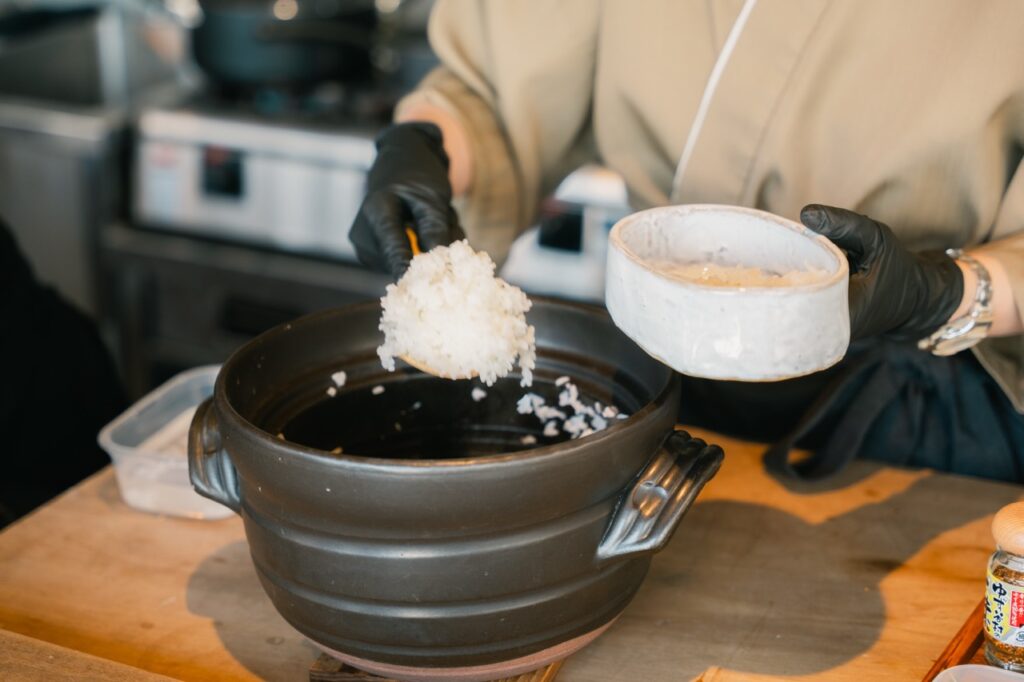
After the pottery experience, a freshly cooked meal awaits. Rice is prepared in a traditional earthenware pot, accompanied by regional dishes from across Japan. The contents of the tiered lunch box change with the seasons; during our visit, guests could choose between Wagyu Beef Tendon or Mentaiko as the main. All the tableware used for the meal is, of course, ceramic, each piece handcrafted by the staff. Enjoying a meal from these handmade vessels right after creating your own pottery is an experience unique to this shop, with the joy of pottery lingering through every bite.
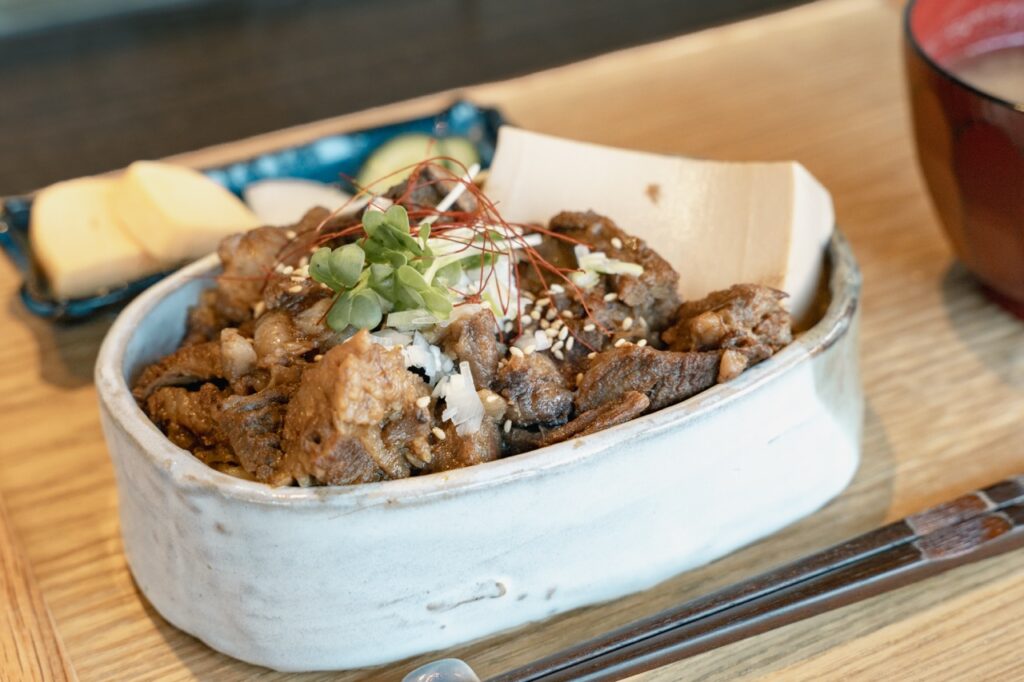
1st image:Tokyo Wagyu Beef Bento
2nd image:Tokyo Mentaiko Bento
3rd image:Rice Cooked in an Earthenware Pot
Continuing the rice theme, the restaurant puts a focus on sake, which can be enjoyed alongside the Japanese dishes. The recommended sake is the playful Ōsakazuki MACHO series, featuring unique labels like Male Macho and Gorilla Macho. The names reflect the “macho” nature of the brewing process. While most sake is polished down to 60–70%, this variety leaves 80% of the grain intact. This “macho” approach results in a bold yet surprisingly sharp finish.
For our tasting, we ordered the Three-Sake Tasting Set along with a mandarin-flavored fruit liqueur. From the MACHO series, we tried Mask Macho and King Macho, and paired it with Tokachi Tokubetsu Junmai Ginpu, said to go well with seafood dishes. The sake is served in handcrafted cups made in-house, and guests can choose their favorite one. Mask Macho is crisp and dry, King Macho is slightly sweet, and Ginpu, when paired with mentaiko, becomes milder and easy to drink. You can ask the staff for recommendations, ensuring you enjoy sake suited to your taste.
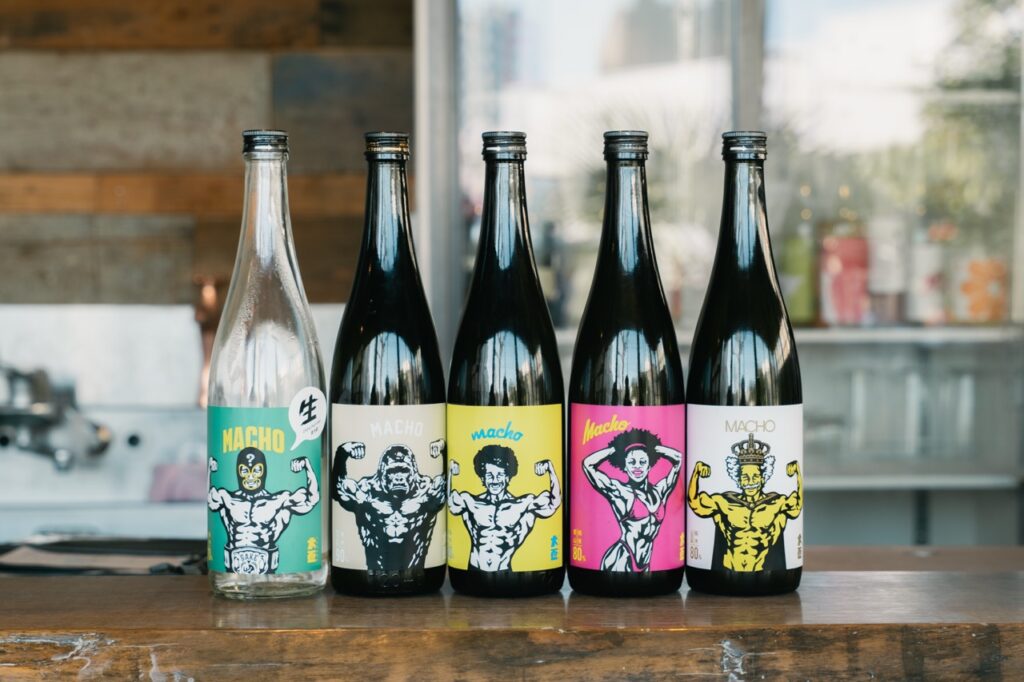
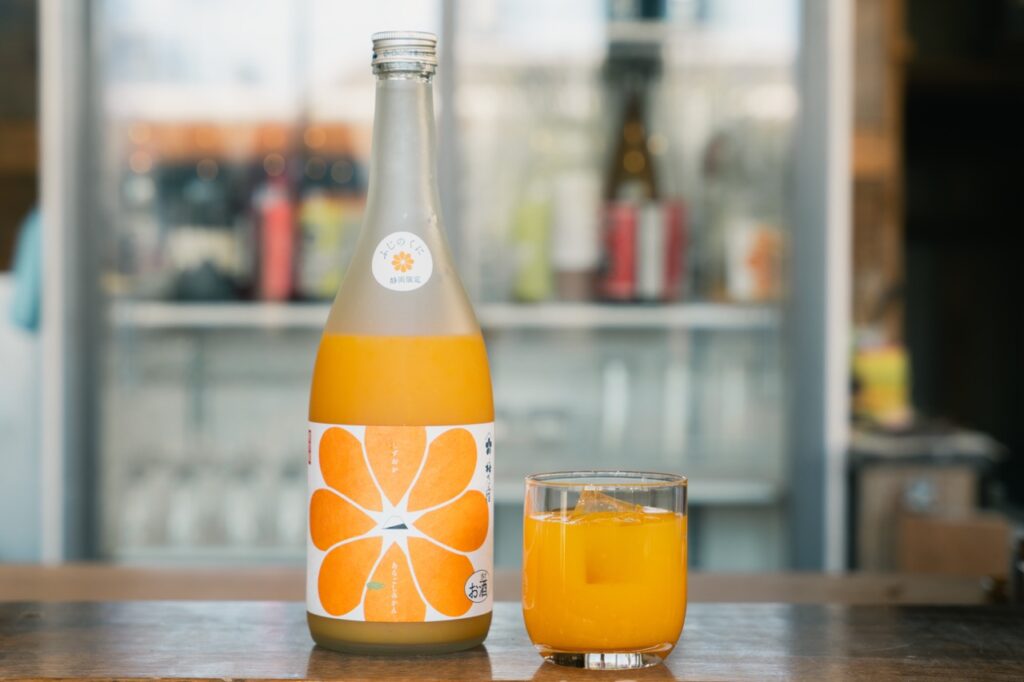
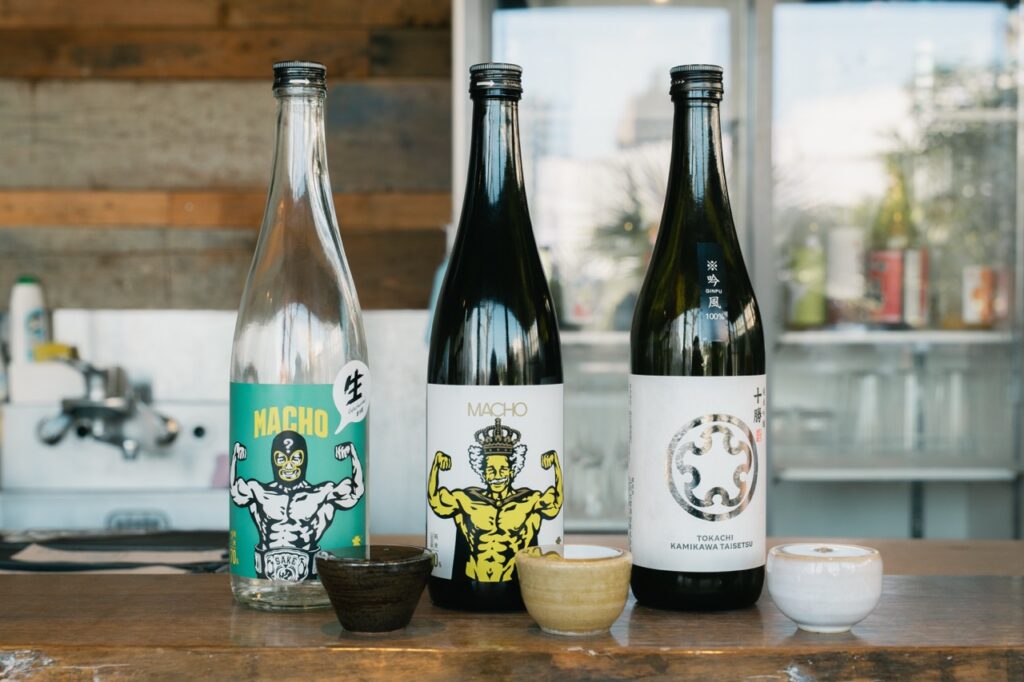
In addition to the counter-style pottery, the studio also offers full-scale freestyle pottery experiences using electric wheels, perfect for both experienced potters and guests who have enjoyed the mini wheel.
Compared to the mini wheel, these sessions allow you to create larger pieces like vases, jars, or teacups.
Meals enjoyed after working with clay felt somehow extra special and rewarding. Just having a one-of-a-kind piece you made yourself adds a small delight to the dining experience. Don’t hesitate, just drop by and give it a try. It’s a refreshing change from the everyday, and you’re sure to enjoy a uniquely fulfilling experience.
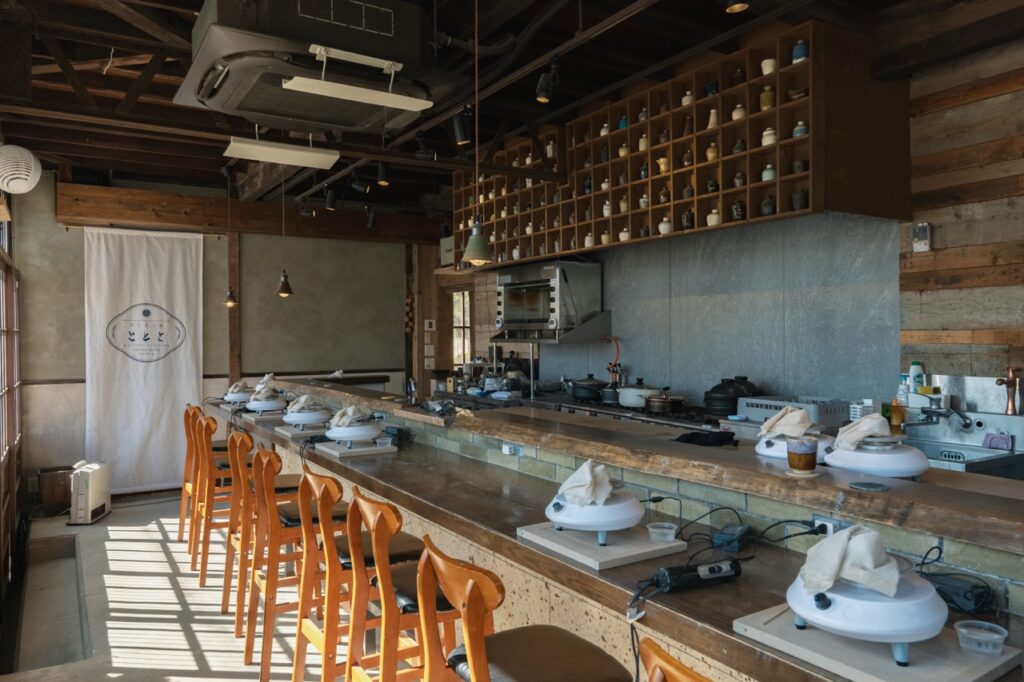
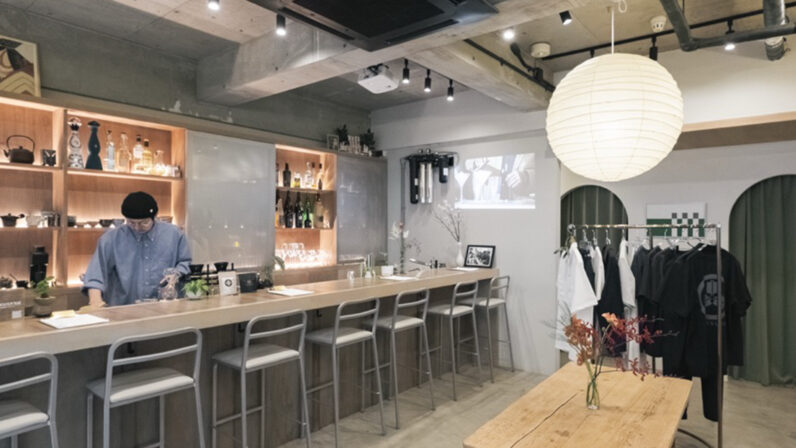
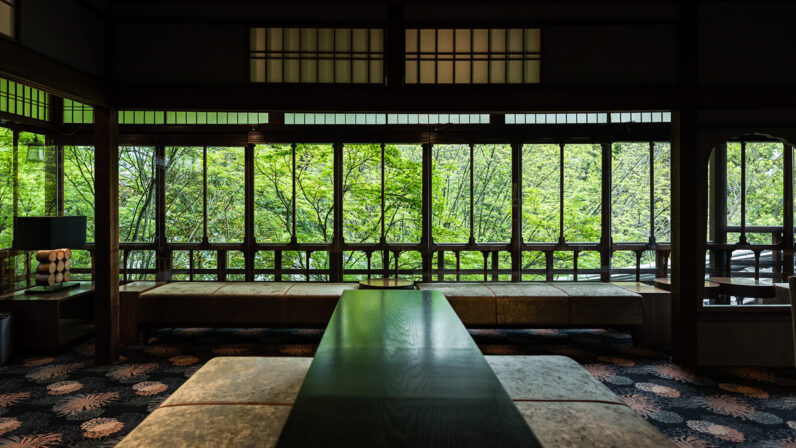
The shop interior with 10 counter seats
Courses (Reservation Required)
■ [Counter Pottery] Mini Wheel + Lunch Course
(Tuesday–Sunday: 12:00 / Wednesday–Sunday: 18:30)
Price: ¥7,300 (may vary depending on season)
Time: 12:00–14:30
1 hour on the wheel + meal
■ [Counter Pottery] Hand-Building + Lunch Course
Irregular schedule, shift-based
Price: ¥8,000 (may vary depending on season)
Time: 11:30–14:30
2 hours hand-building + meal
■ [Counter Pottery] Mini Wheel + Dinner Course
Price: ¥12,000 (may vary depending on season)
Time: 18:30–20:30
1 hour on the wheel + meal
■ Freestyle Pottery (Electric Wheel)
Meal not included
Irregular schedule, shift-based
Price per person: ¥6,000 (includes firing cost for 1 piece and tax)
Tototo
Address: 4-30-14 Mukojima, Sumida-ku, Tokyo 131-0033
Hours: 11:00–21:30 (Last order 21:00)
Closed: Mondays
Website: https://rokuro-tototo.jp/
Instagram: @rokurotokome.tototo